
In the long shadow of the asteroid that wiped out the dinosaurs, life appears to have bounced back with surprising speed.
A new analysis of sedimentation rates suggests that the first wave of marine species emerged within a few…
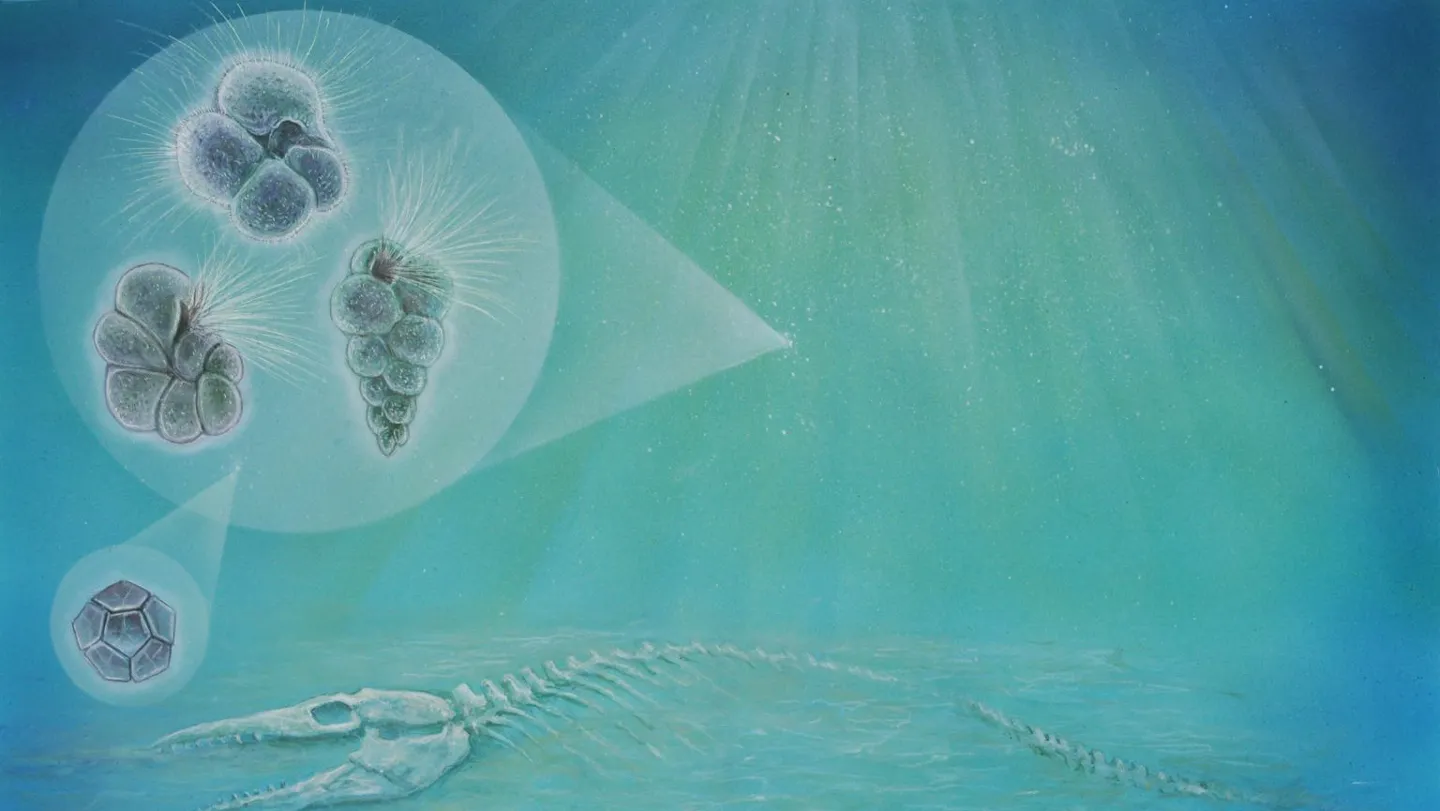
In the long shadow of the asteroid that wiped out the dinosaurs, life appears to have bounced back with surprising speed.
A new analysis of sedimentation rates suggests that the first wave of marine species emerged within a few…
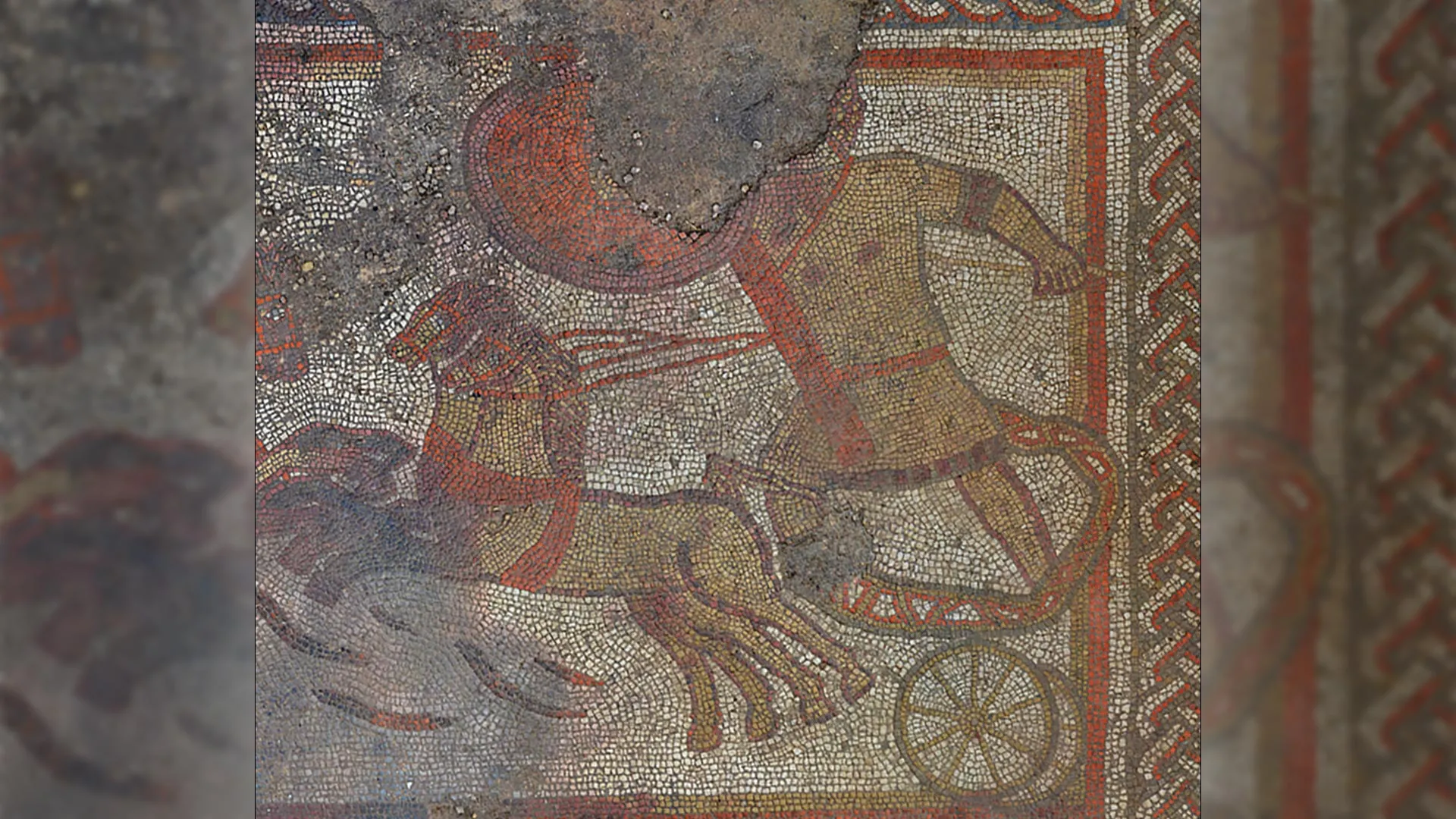
Researchers studying what has been called one of the most important mosaics ever found in the UK say it portrays a rarely told version of the Trojan War that had largely faded from history.
A new investigation by the University of Leicester…
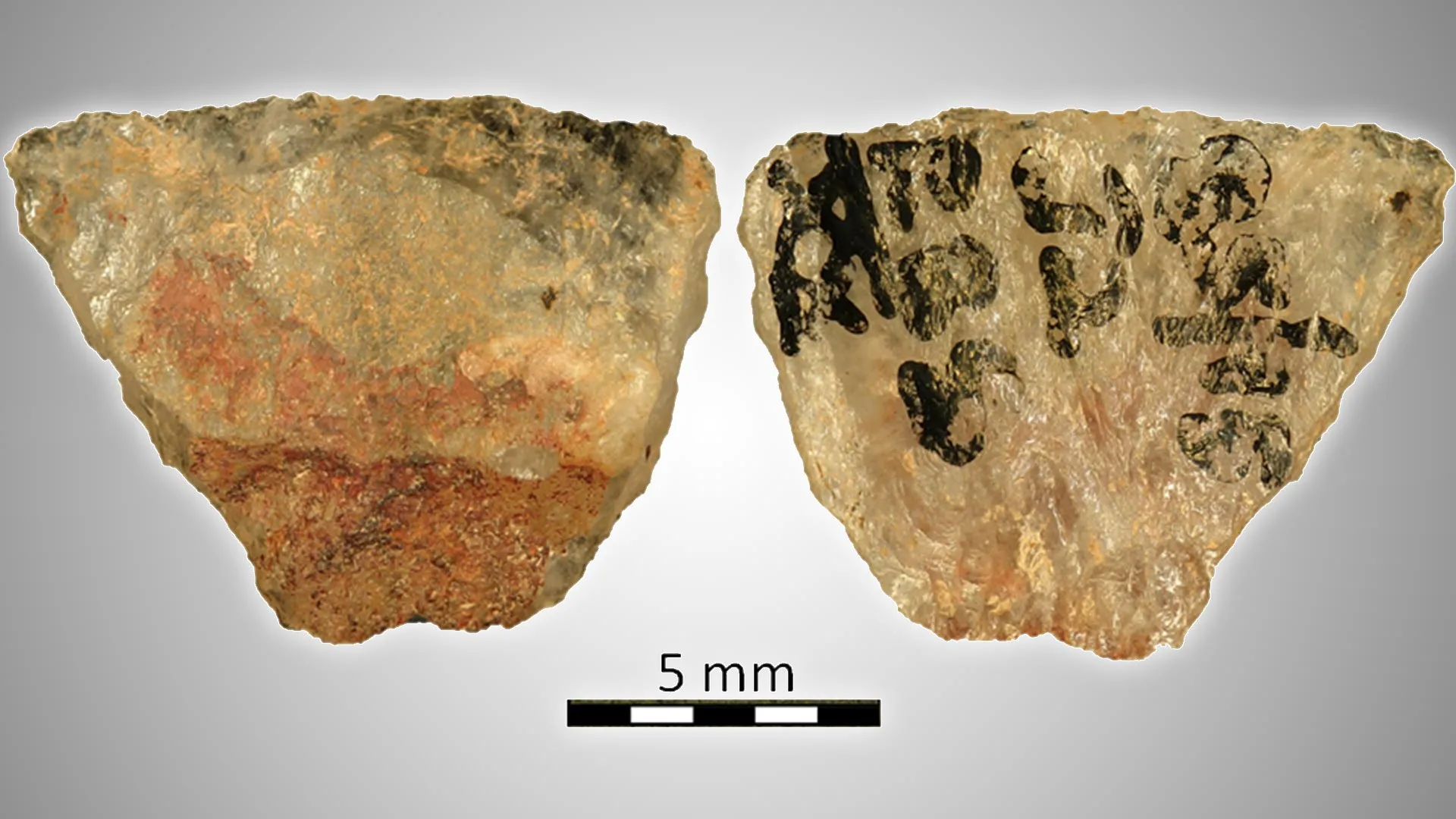
Scientists have detected traces of plant-based poison on Stone Age arrowheads from South Africa, marking the oldest confirmed use of arrow poison ever identified. The findings, published in Science Advances, show that people living in southern…
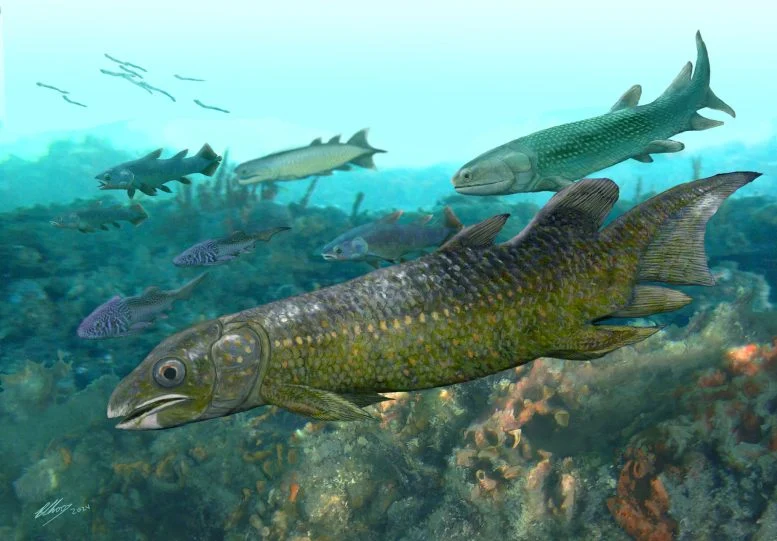
Advanced CT imaging of rare Devonian lungfish fossils in Australia and China is revealing unexpected anatomical details. Scientists have uncovered new insights into the evolution of some of the earliest fish to inhabit Earth more than 400 million…
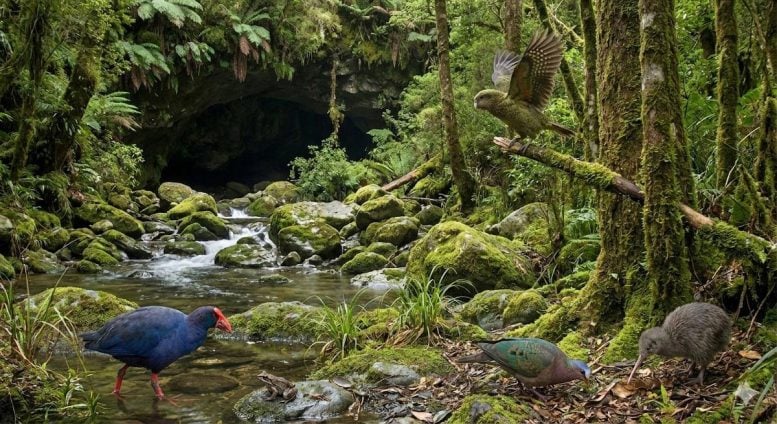
Deep within a cave on New Zealand’s North Island, scientists have uncovered a long-lost record of life from a million years ago. In a cave system near Waitomo on Aotearoa’s North Island, scientists have uncovered a packed deposit of ancient…

Explore
Fossil hunter Barnum Brown is remembered today as “Father of the Dinosaurs,”…

Picture Europe tens of thousands of years ago. Thick forests covered much of the land. Herds of elephants, bison, and aurochs roamed freely. Small bands of humans moved through this world carrying fire and spears.
New research suggests those…
Hedges, R. E. M. Bone diagenesis: an overview of processes. Archaeometry 44, 319–328 (2002).
Kendall, C., Eriksen, A. M. H., Kontopoulos, I. & Collins, M. J. Turner-Walker, G. Diagenesis of…
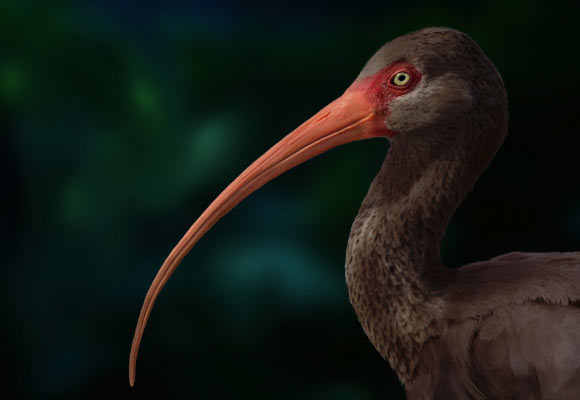
Apteribis, an extinct species of ibis that once inhabited the Hawaiian Islands, occupied a niche similar to that of the New Zealand kiwi: a nocturnal, flightless bird that relies on tactile cues from its beak to detect prey, according to a new…
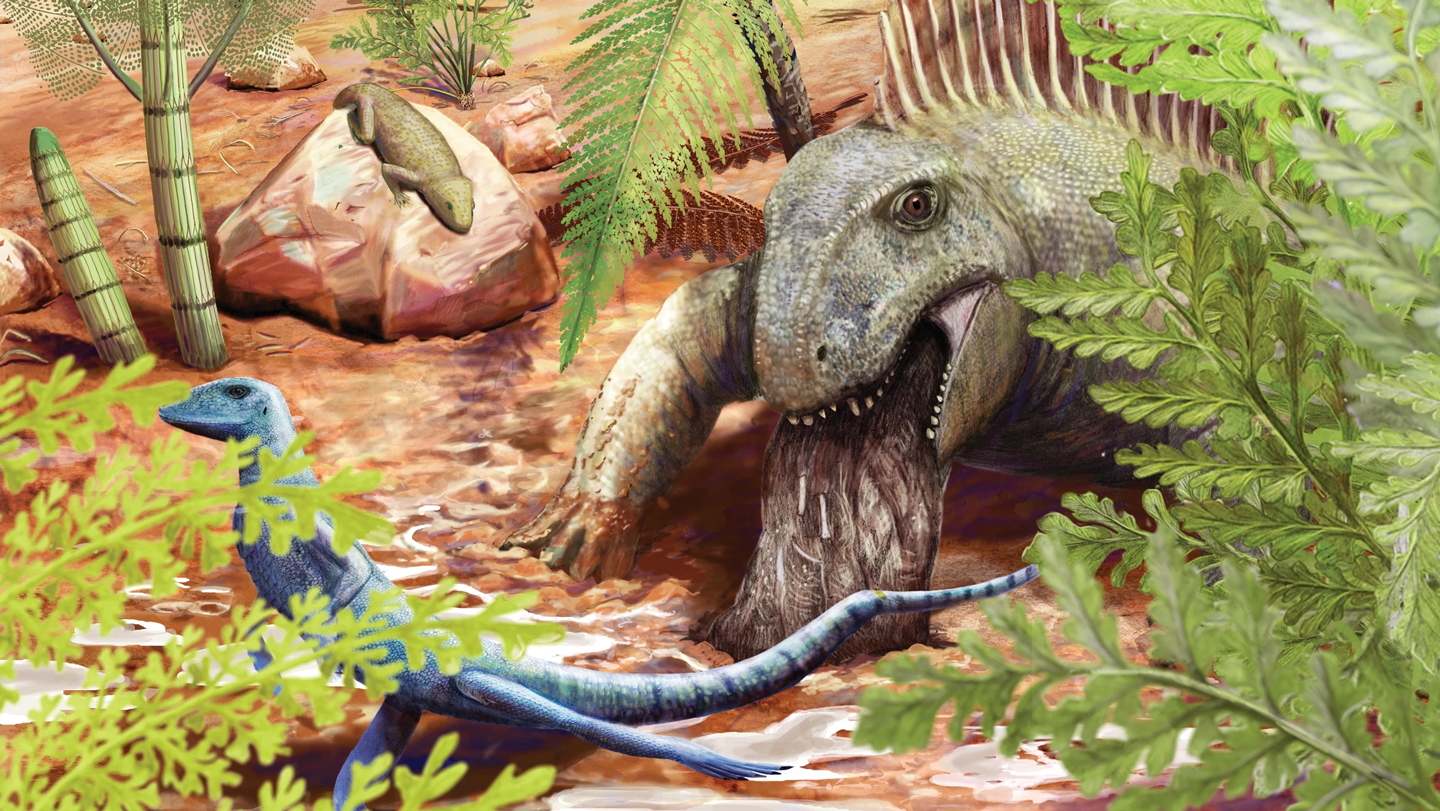
Two hundred and ninety million years ago, in a mountain valley within the central region of the supercontinent Pangaea, an apex predator snapped up at least three other animals and sometime later puked up the bones.
That material…