
The broken wings of two young pterosaurs may reveal how hundreds of their kind met their end about 150 million years ago.
New analyses of the well-preserved, complete Pterodactylus fossils — dubbed “Lucky I” and “Lucky II”…
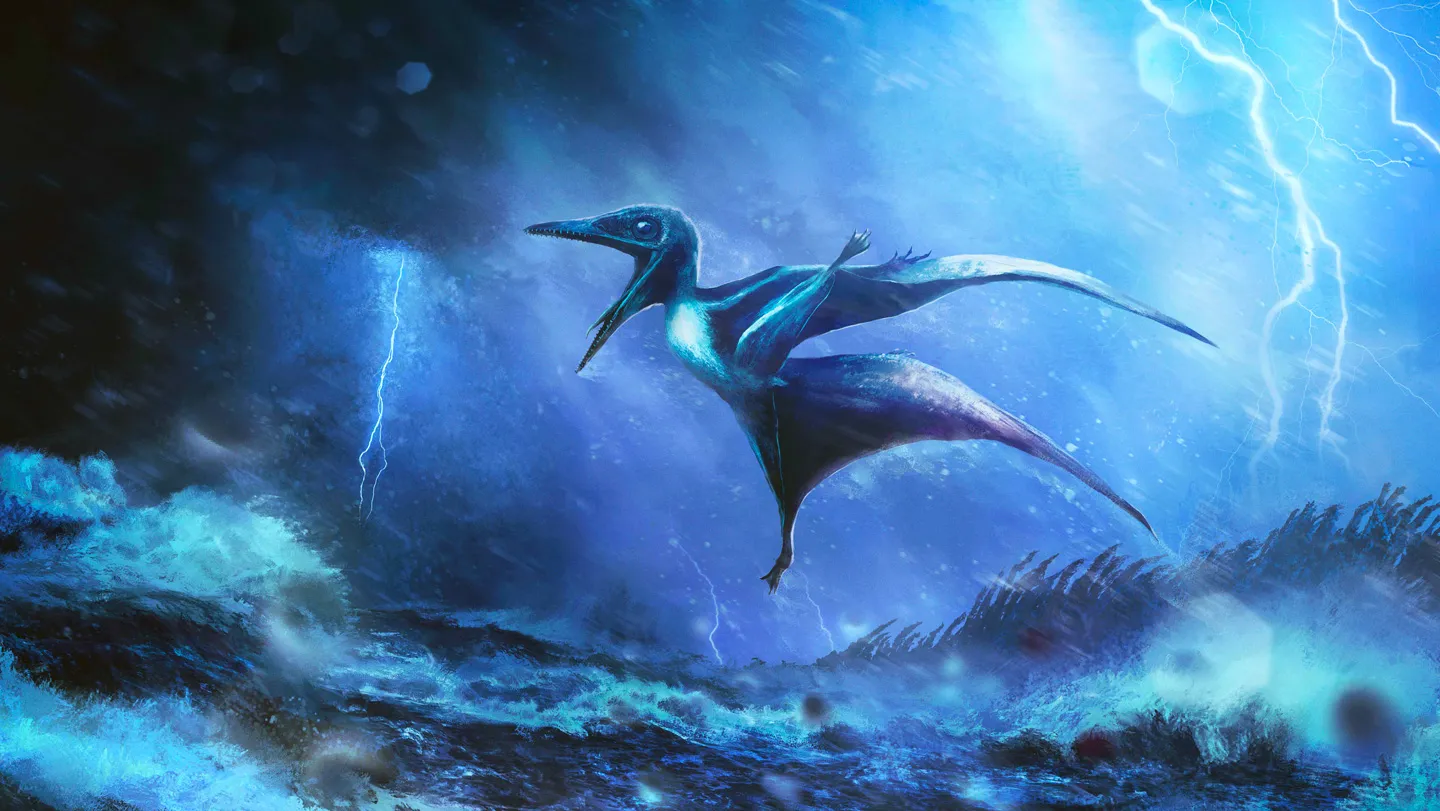
The broken wings of two young pterosaurs may reveal how hundreds of their kind met their end about 150 million years ago.
New analyses of the well-preserved, complete Pterodactylus fossils — dubbed “Lucky I” and “Lucky II”…
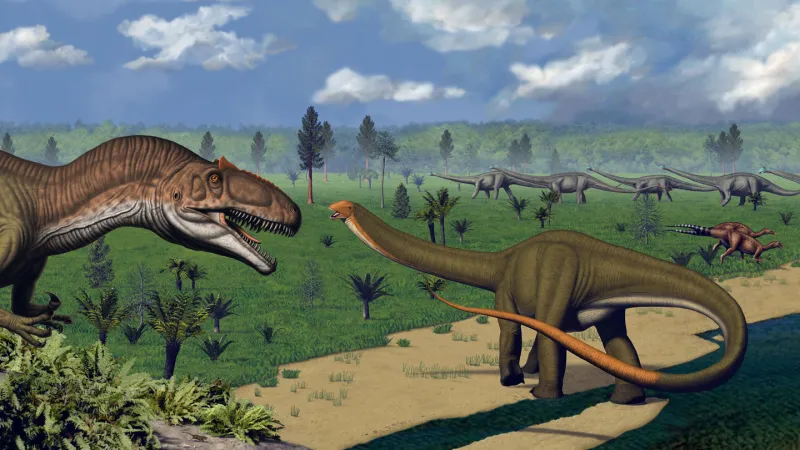
Some dinosaurs were fussy eaters.
Certain herbivorous dinosaurs preferred specific parts of plants, challenging long-standing assumptions about their diets, a study of fossilized dino teeth shows. The analysis of calcium isotopes in…
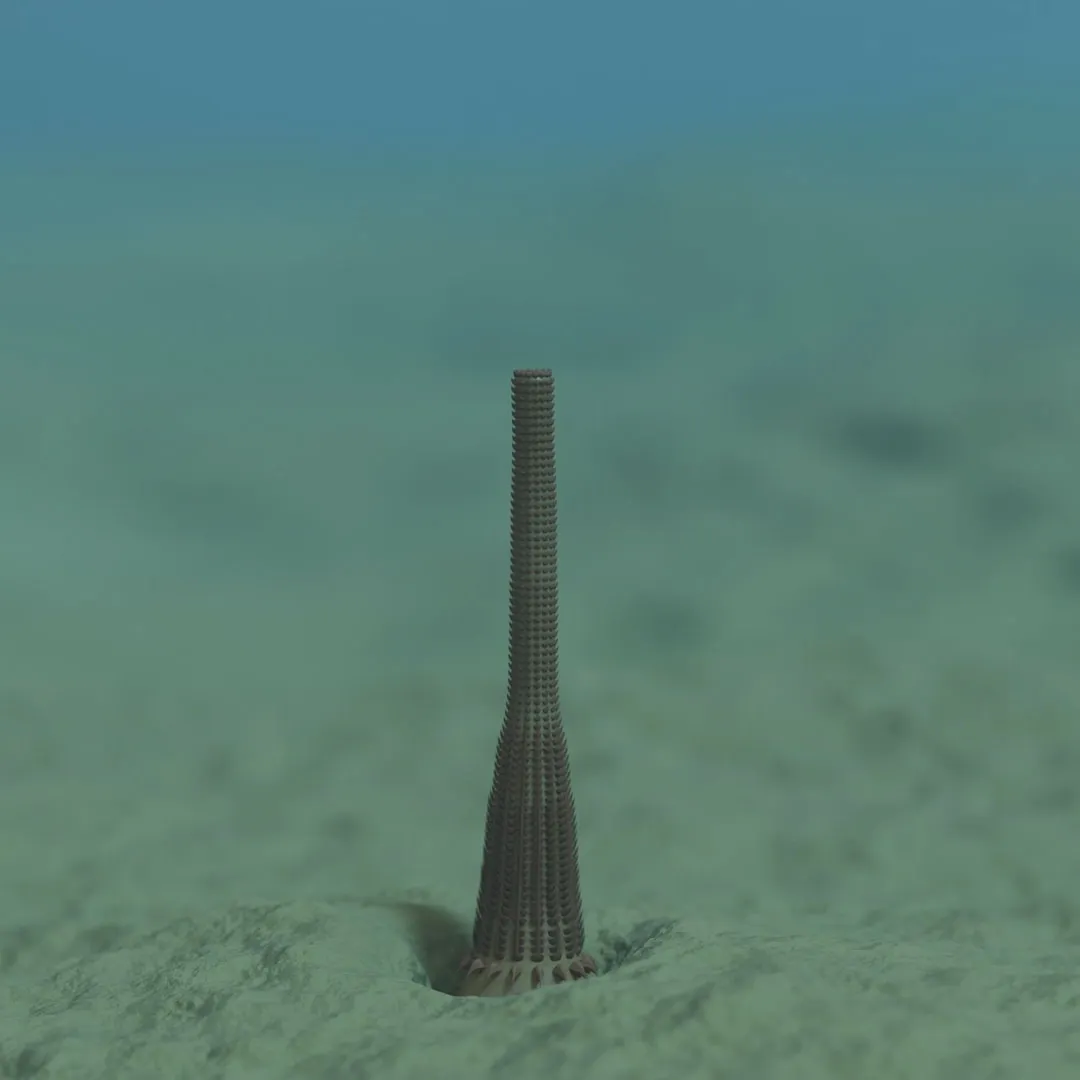
An ancient cradle of evolution may have been discovered in the striped cliffs of the Grand Canyon.
Paleontologists have found an exceptionally well-preserved trove of fossils in the greenish shales of the Bright Angel Formation….
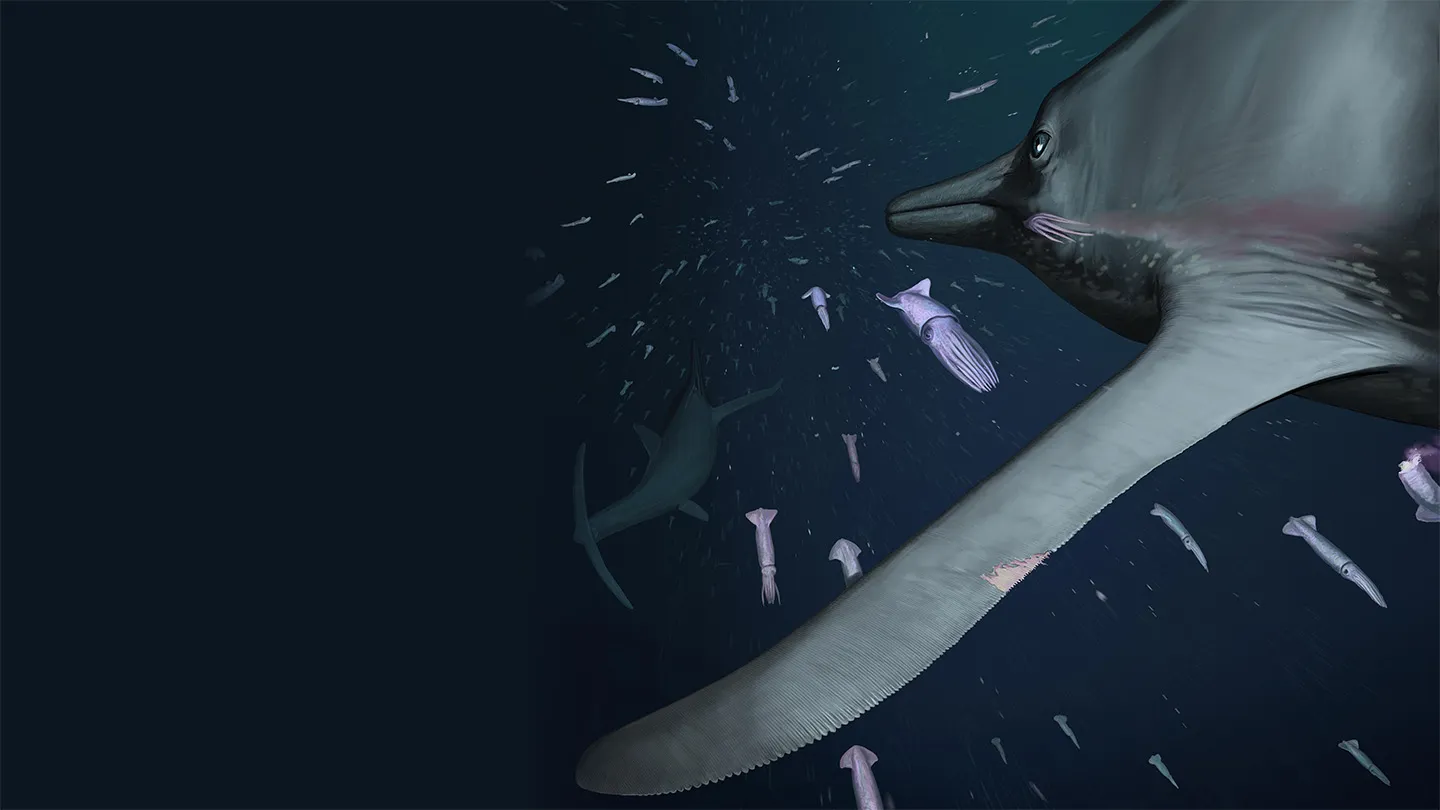
A past predator of the seas may have had a secret weapon: noise-cancelling flippers that helped it sneak up on prey.
Scientists analyzed a fossilized impression of a front flipper ascribed to the large marine reptile…
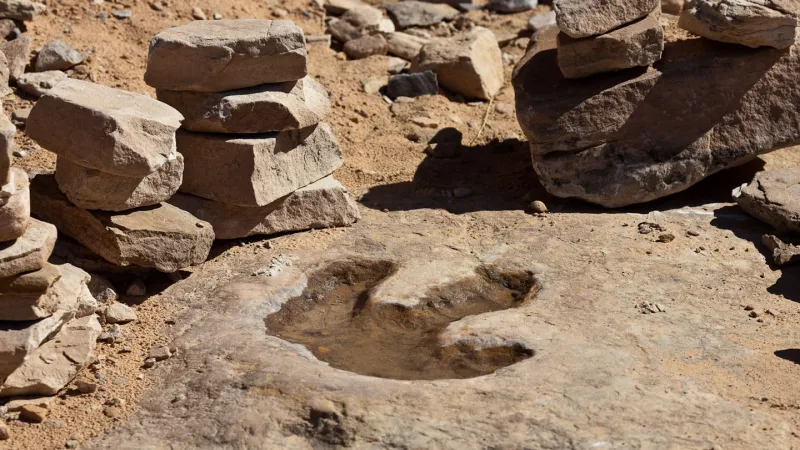
Over a video call from a dig site near Oxford, England, Peter Falkingham points his phone down to show a fossilized footprint of what was probably a large sauropod.
Stepping inside the long-necked dinosaur print, which could fit both…