
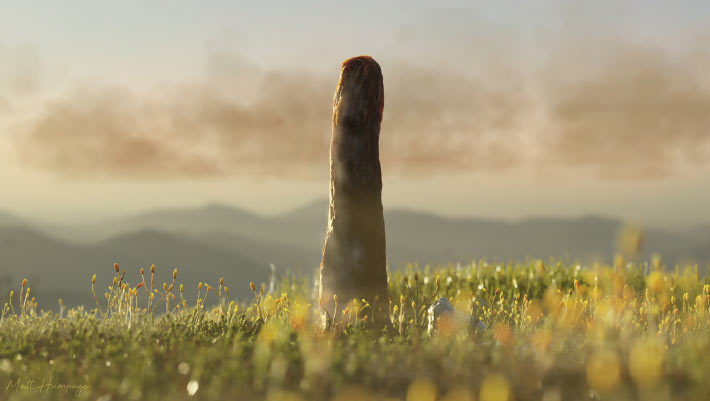
For more than 165 years, one of the earliest giants to rise above Earth’s barren land has defied classification. Known as Prototaxites, the towering, column-like organism dominated terrestrial landscapes more than 400 million years ago,…
Category: Paleontology
-
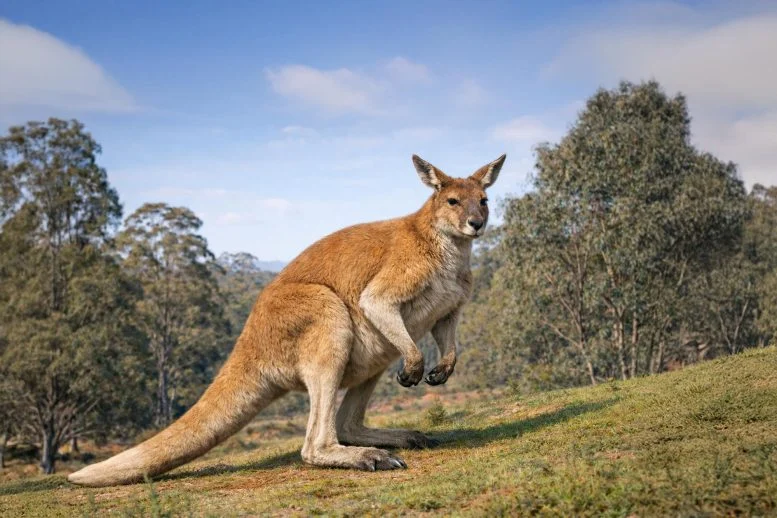
Scientists May Have Been Wrong About Giant Kangaroos
Despite their enormous size, giant ancient kangaroos may have been capable of hopping in short, powerful bursts. Ancient relatives of today’s kangaroos, some of which may have weighed as much as 250 kilograms (550 pounds), might not have been…
Continue Reading
-
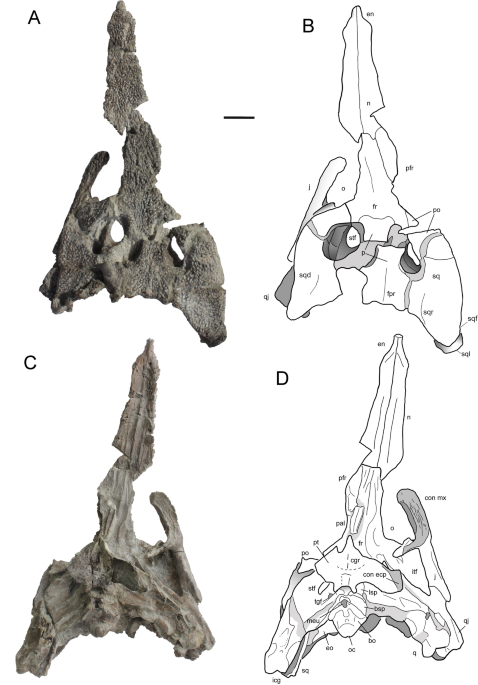
Cretaceous crocodyliform reconciles conflicting evidence on the Mesozoic paleogeography of Europe during the Gondwana-Laurasia split
Lillegraven, J. A., Kraus, M. J., & Bown, T. M. Paleogeography of the world of the Mesozoic in Mesozoic mammals: the first two-thirds of mammalian history (eds. Lillegraven, J., Kielan-Jaworowska, Z., & Clemens, W. A.), 277–308 (University of…
Continue Reading
-
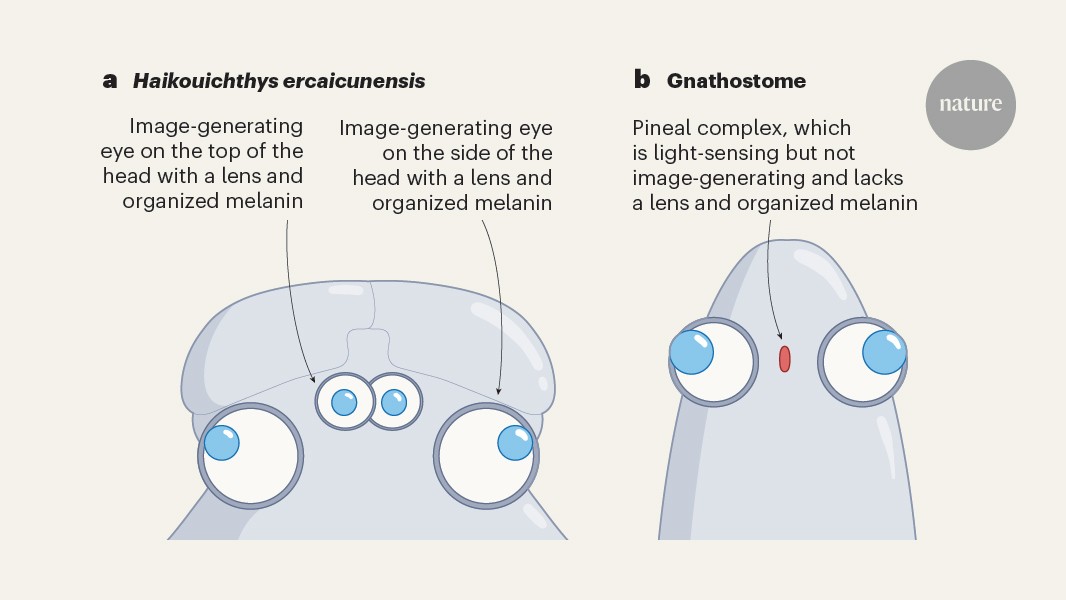
An eye-popping discovery: early vertebrates had four eyes rather than two
An eye-popping discovery: early vertebrates had four eyes rather than two
Continue Reading
-
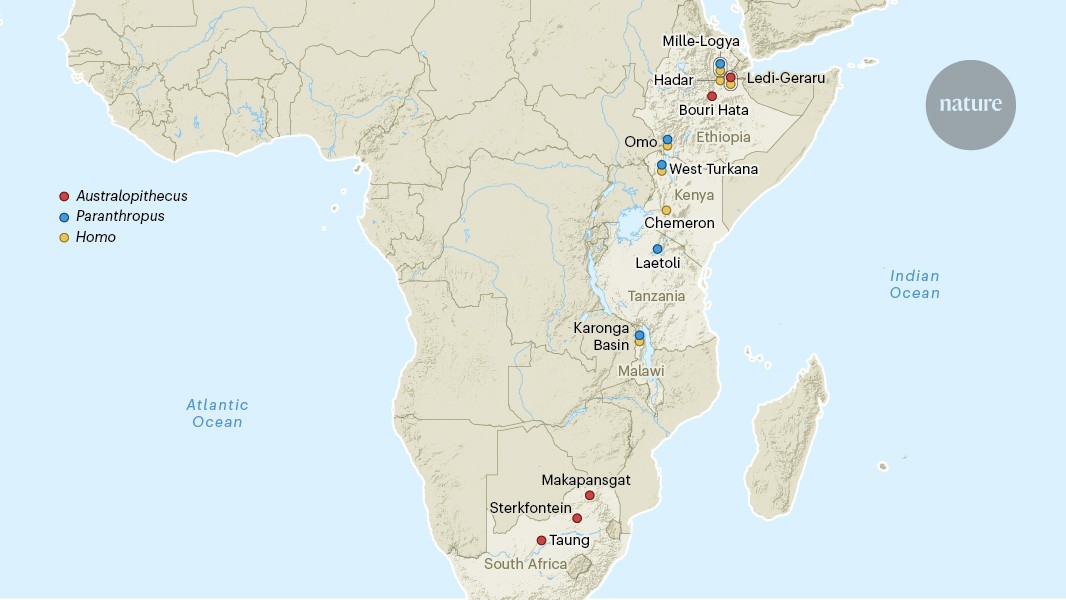
A variety of early hominin species shared the Afar region of Ethiopia
A variety of early hominin species shared the Afar region of Ethiopia
Continue Reading
-
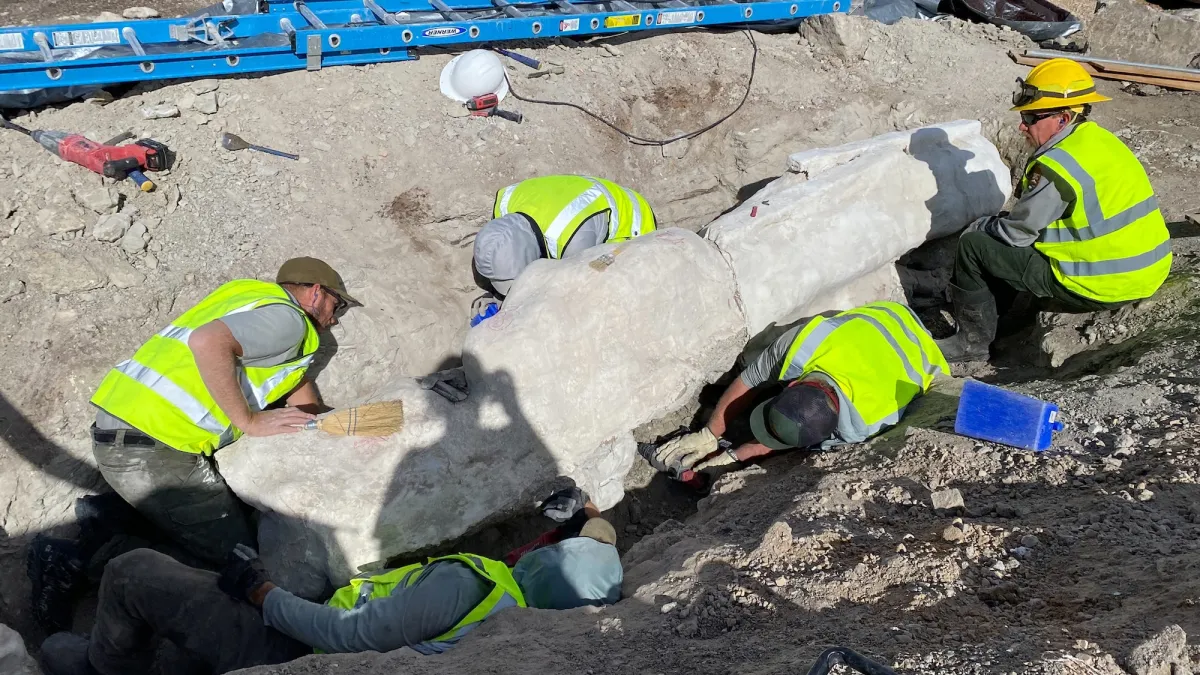
Dinosaur bones found underneath parking lot in Dinosaur, Colorado
For a place named Dinosaur, it’s been a while since the small Colorado town…
Continue Reading
-
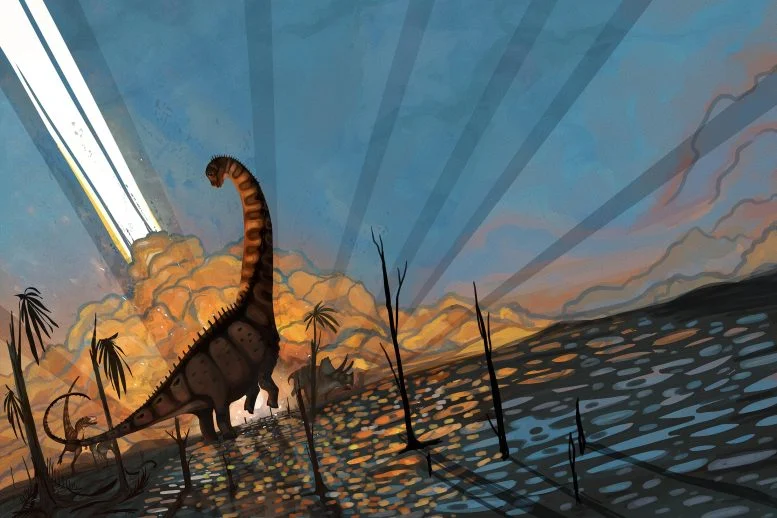
Scientists Just Rewrote the Story of the Dinosaurs’ Final Days
Fossils reveal dinosaurs were flourishing in diverse ecosystems right up until the asteroid impact ended their reign. Their abrupt extinction reshaped Earth’s ecosystems and set the stage for mammals to rise. For many years, scientists assumed…
Continue Reading
-

How Coastlines Shape the Extinction Risk for Marine Invertebrates
Explore
To predict how communities of organisms will respond to environmental changes,…
Continue Reading
-
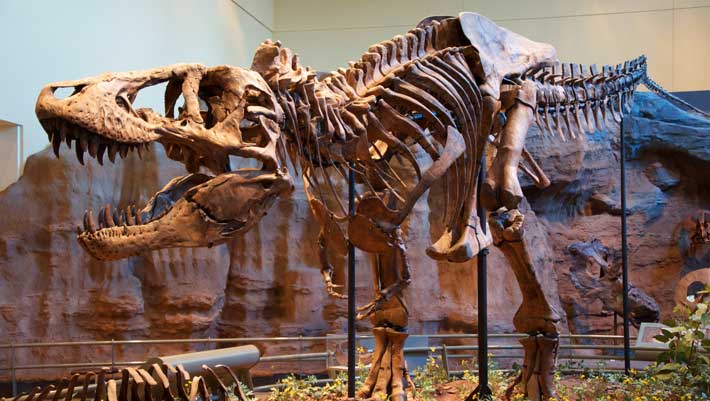
Tyrannosaurus rex Took Nearly Four Decades to Grow Up, New Research Shows
A comprehensive analysis of 17 fossil specimens reveals that Tyrannosaurus rex grew far more slowly than previously thought — reaching its full-grown size of eight tons around age 40 — and challenges earlier assumptions about its life…
Continue Reading
-
The oldest sepioid cephalopod from the Cretaceous discovered by Digital fossil-mining with zero-shot learning AI
Close, R. A., Benson, R. B. J., Saupe, E. E., Clapham, M. E. & Butler, R. J. The spatial structure of Phanerozoic marine animal diversity. Science 368, 420–424 (2020).
Maderspacher, F….
Continue Reading