
Fossil bone analysis shows that mysterious tiny Liaoningosaurus specimens are actually hatchling ankylosaurs, offering rare evidence of early armored dinosaur development. A long-standing puzzle involving dozens of unusually small dinosaur…
Category: Paleontology
-
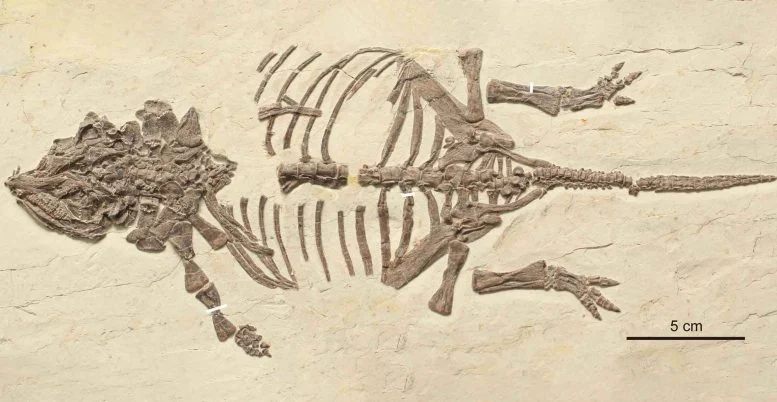
Scientists Finally Solve the 20-Year Mystery of Strange Tiny Dinosaur Fossils
-

The Travels of Straight-Tusked Elephants in Europe, Written in Their Teeth
Early Europeans shared their habitats with some formidable creatures, including straight-tusked elephants that stood almost 13 feet tall. Still, archaeological evidence from a site in England has shown that either Neanderthals (Homo…
Continue Reading
-
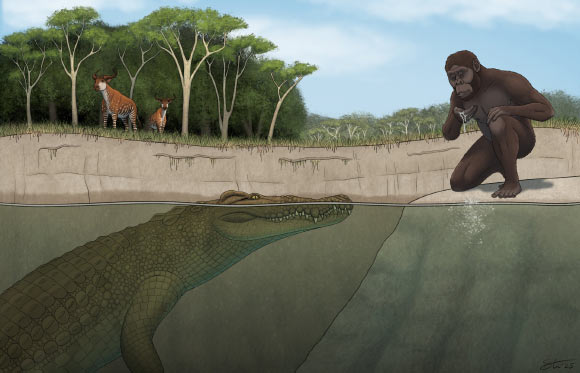
New Fossil Crocodile from Ethiopia Lived alongside Australopithecus afarensis
Paleontologists analyzing fossils from Ethiopia have described a previously unknown crocodile species that shared the landscape with a hominid species called Australopithecus afarensis. Named Crocodylus lucivenator, the formidable predator may…
Continue Reading
-
Astronomical calibration of the middle Cambrian in Baltica: global carbon cycle synchronization and climate dynamics
Babcock, L. E. et al. Global climate, sea level cycles, and biotic events in the Cambrian Period. Palaeoworld 24, 5–15 (2015).
Peng, S. C., Babcock, L. E. & Ahlberg, P. in Geological Time…
Continue Reading
-
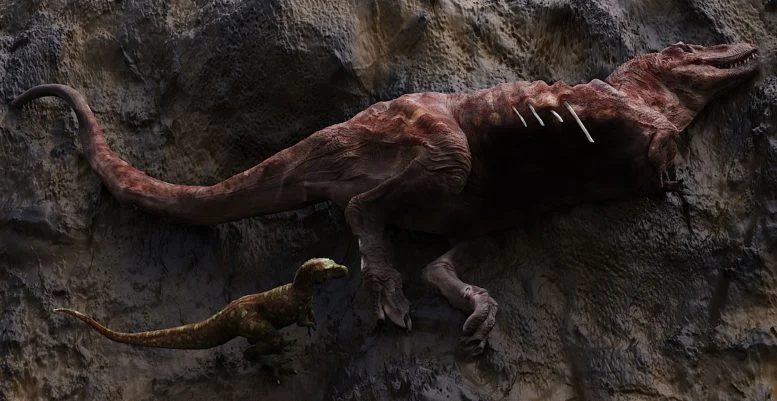
75-Million-Year-Old Mystery: Scientists Uncover Tyrannosaurs’ Dark Secret
3D analysis of bite marks on a tyrannosaur foot bone shows that smaller tyrannosaurs scavenged carcasses, likely consuming the final remains after most flesh was gone. Tyrannosaurs are usually imagined as dominant hunters at the top of the food…
Continue Reading
-
‘Unusually large’ tyrannosaur leg bone points to 10,000-pound behemoth
A newly uncovered tyrannosaur leg bone is shaking things up in the dinosaur…
Continue Reading
-

Cosmic rays turned ancient sand into a geological time machine
Curtin University scientists have developed a new technique to explore the deep history of Australia’s landscapes. The approach could help researchers understand how the environment responds to geological activity and climate shifts, while also…
Continue Reading
-
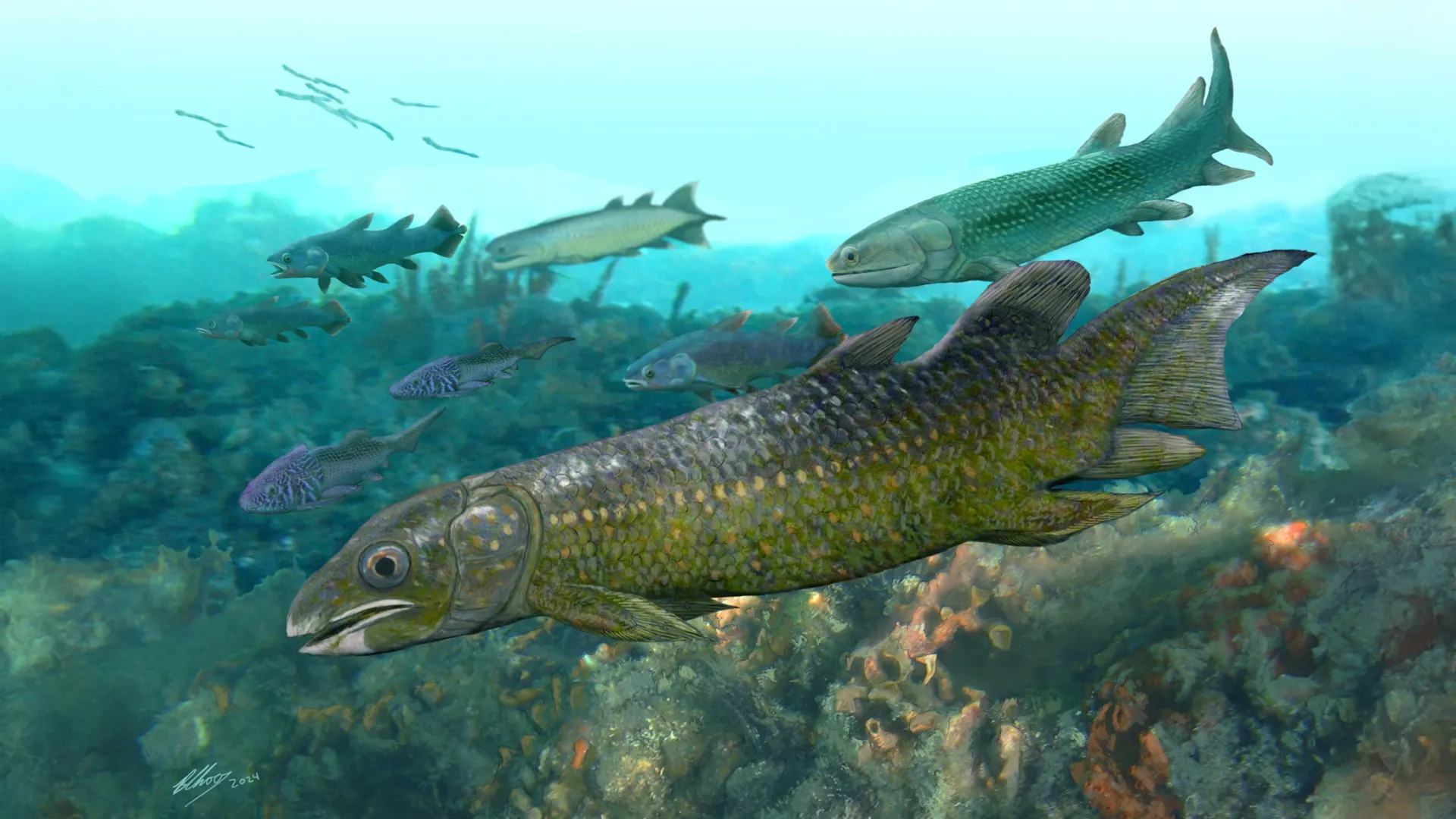
400 million-year-old fish fossils reveal how life began moving onto land
Scientists are uncovering new details about some of the earliest fish to inhabit Earth more than 400 million years ago. Fresh analyses from two separate studies are helping researchers better understand ancient lungfish, a group that represents…
Continue Reading
-
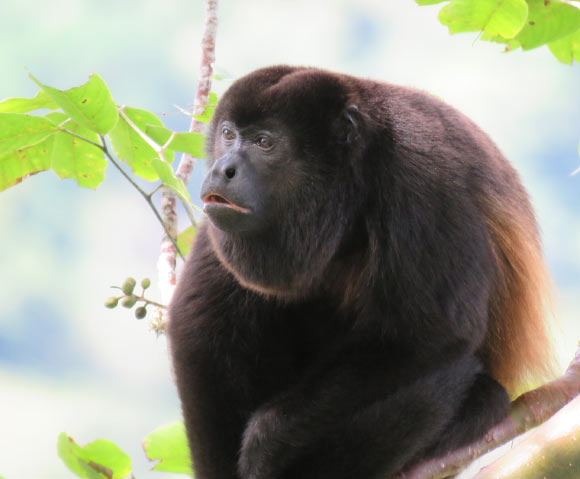
Early Howler Monkeys Adapted to Eating Leaves 13 Million Years Ago
Fossil jaws of the ancient monkey species Stirtonia victoriae from the La Victoria Formation in Colombia suggest that a shift toward leaf-eating allowed early primates in South America to grow larger and occupy new ecological niches. The…
Continue Reading
-
Trophic ecology outweighed intrinsic constraints in shaping skull evolution of carnivorous Permian synapsids
Dunne, E. M. et al. Diversity change during the rise of tetrapods and the impact of the ‘Carboniferous rainforest collapse. Proc. R. Soc. B Biol. Sci. 285, 20172730 (2018).
Sahney, S.,…
Continue Reading