
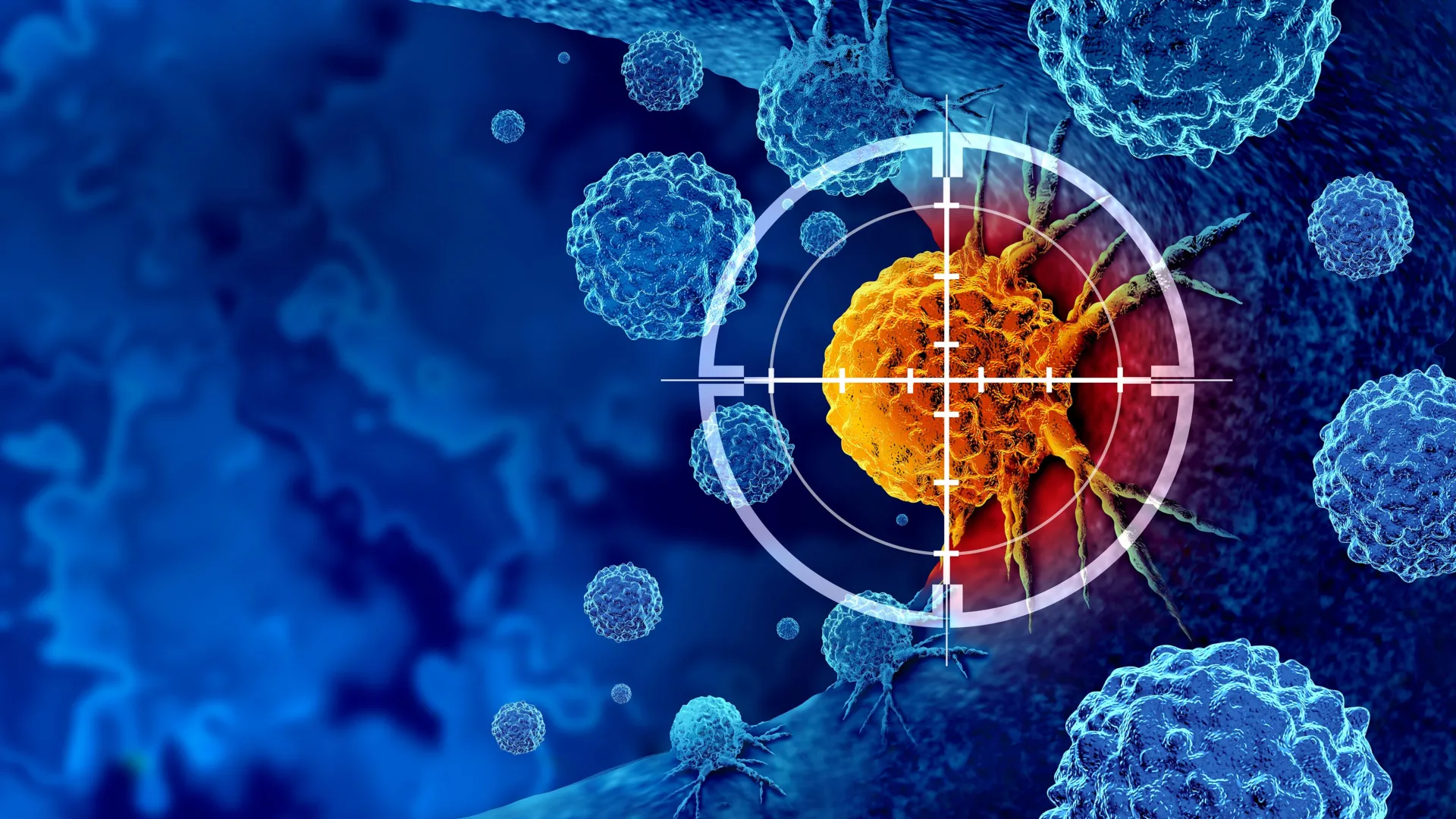
Tumors in the human body contain immune cells called macrophages that are naturally capable of attacking cancer. However, tumors suppress these cells, preventing them from carrying out their cancer-fighting role. Researchers at KAIST have now…
Category: 8. Health
-
These nanoparticles could destroy disease proteins behind dementia and cancer
A newly released perspective article in Nature Nanotechnology describes an innovative nanoparticle-based approach designed to remove harmful proteins from the body. This advance could dramatically expand the ability to treat so-called…
Continue Reading
-

New clinical trial demonstrates that eating beef each day does not affect risk factors for type 2 diabetes
More than 135 million American adults are either living with or at risk for type 2 diabetes (T2D), elevating the need for more evidence-based dietary guidance to help this growing population achieve optimal health and reduce risks for T2D and its…
Continue Reading
-

How The Cold Void Of Space May Have Kick‑Started Life
Even in the cold, airless regions between stars, cosmic dust grains can help stitch amino acids into short peptides, potentially seeding young planets with ready‑made building blocks for life.
EyeEm on freepik
Life’s basic chemistry may start…
Continue Reading
-
Gut Bacteria Proteins Directly Impact Immune Cells
In recent years, scientists have begun to reveal the myriad ways that gut microbes can impact our health; they have identified relationships between bacteria in the gastrointestinal tract and the human brain,
Continue Reading
-
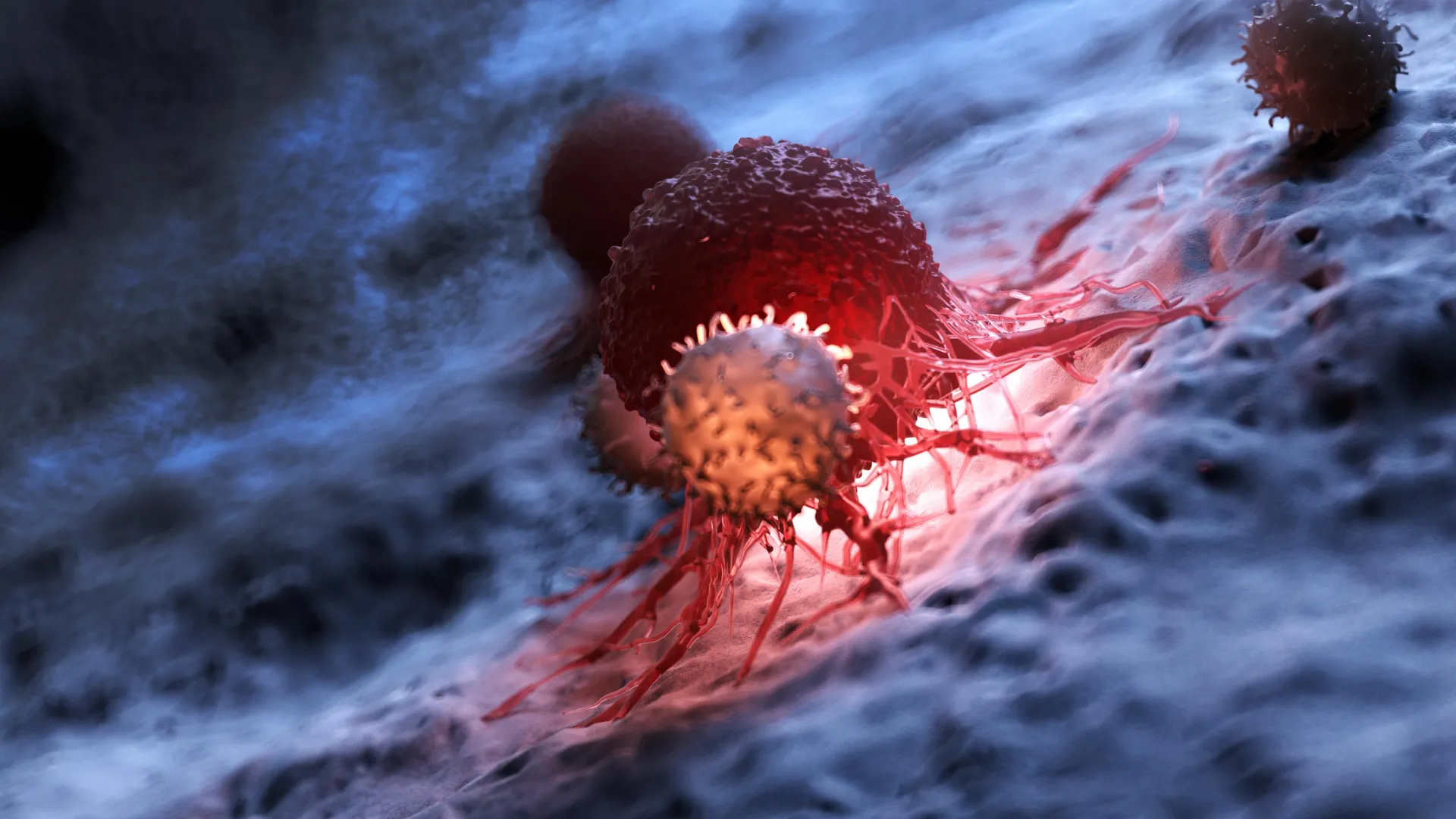
The hidden reason cancer immunotherapy often fails
Cancer immunotherapy has reshaped cancer treatment by training the body’s immune system to recognize and attack tumors. Drugs known as immune checkpoint inhibitors, which target the PD-1/PD-L1 pathway, have led to long-lasting responses in some…
Continue Reading
-
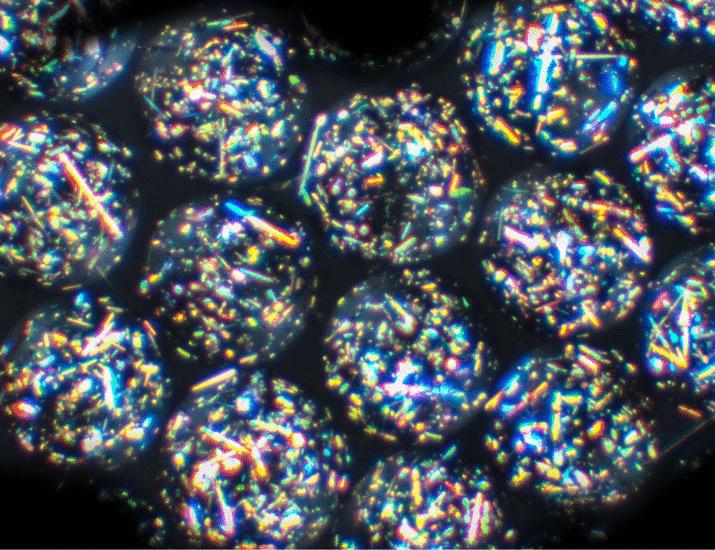
Crystallized colony-stimulating factor-1 receptor inhibitor protects immunoisolated allo but not xeno transplants in primates | Science Translational Medicine
CSF1R-targeted crystals preserve xenogeneic cell function in mice and allogeneic cell function in NHPs but fail to maintain xenogeneic cells in NHPs.
Continue Reading
-
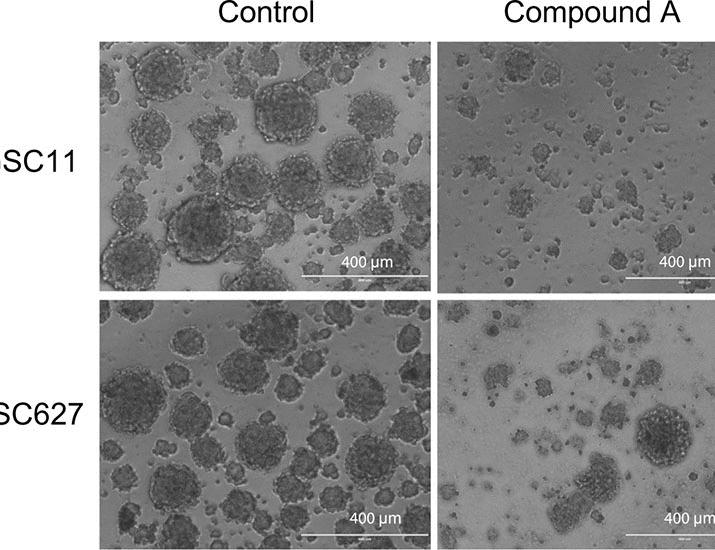
A first-in-class small-molecule inhibitor targeting AVIL exhibits safety and antitumor efficacy in preclinical models of glioblastoma | Science Translational Medicine
A first-in-class compound targeting the oncogene AVIL demonstrated efficacy and safety in mouse models of glioblastoma.
Continue Reading
-
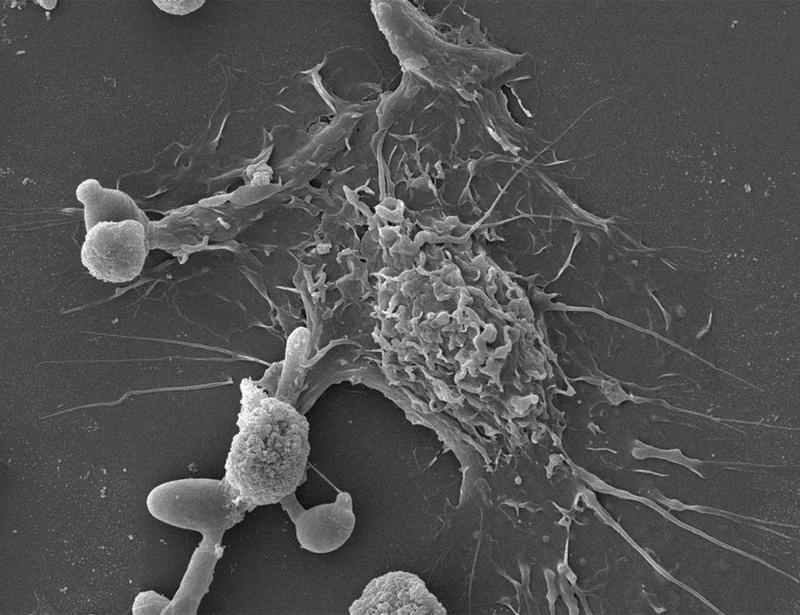
Meteorin-like is associated with poor outcome in invasive candidiasis in mouse models and in humans | Science Translational Medicine
METRNL is elevated in candidemia in mice and humans and provides a potential therapeutic target for life-threatening candidemia.
Continue Reading
-
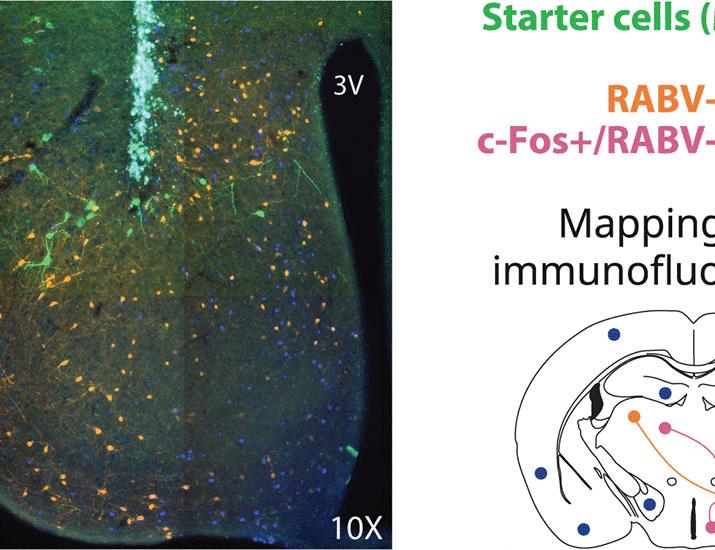
Skin thermal dynamics and hypothalamic thermosensitivity dissociate REM sleep and cataplexy in narcolepsy | Science Translational Medicine
Skin temperature modulation and hypothalamic thermosensitivity dissociate REM sleep and cataplexy, independent of brain and core body temperatures.
Continue Reading