
Explore
If we’re ever going to send humans to Mars, a crew would have to spend several…

Explore
If we’re ever going to send humans to Mars, a crew would have to spend several…
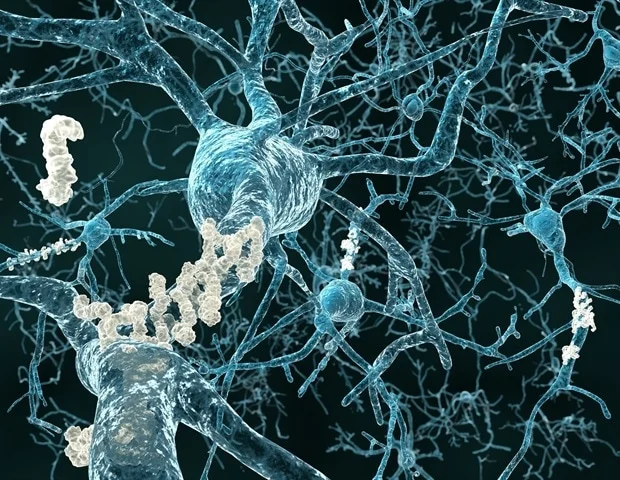
Age-related memory decline and neurodegenerative diseases like Alzheimer’s are often thought of as irreversible. But the brain is not static; neurons continually adjust the strength of their connections, a property called “synaptic…
In this article a physician describes being diagnosed with cancer and her journey that occurred after diagnosis with colon cancer.
Aromatase inhibitors (AIs) are a cornerstone of adjuvant therapy for hormone receptor–positive breast cancer, significantly reducing recurrence and mortality. However, by suppressing estrogen production, AIs accelerate bone loss and increase…
Balancing chocolate’s real cardiovscular benefits with potential risks. Here’s how to choose safer options this Valentine’s Day.

Inherited hyperbilirubinemia, encompassing Gilbert syndrome, Crigler-Najjar syndrome, Dubin-Johnson syndrome, and Rotor syndrome, represents a spectrum of disorders rooted in genetic defects affecting bilirubin metabolism and…
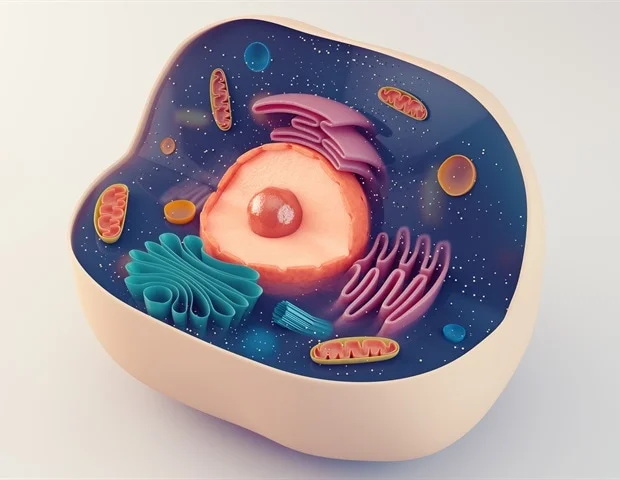
A new breakthrough study led by researchers at the University of Minnesota Twin Cities could explain why patients with the same genetic sickle cell mutation experience different levels of pain, organ damage and response to…

About 10% of people with hypertension have normal blood pressure readings at the doctor’s office. Now researchers at the University of Arkansas have developed an artificial-intelligence diagnostic tool to detect this condition, known as masked…
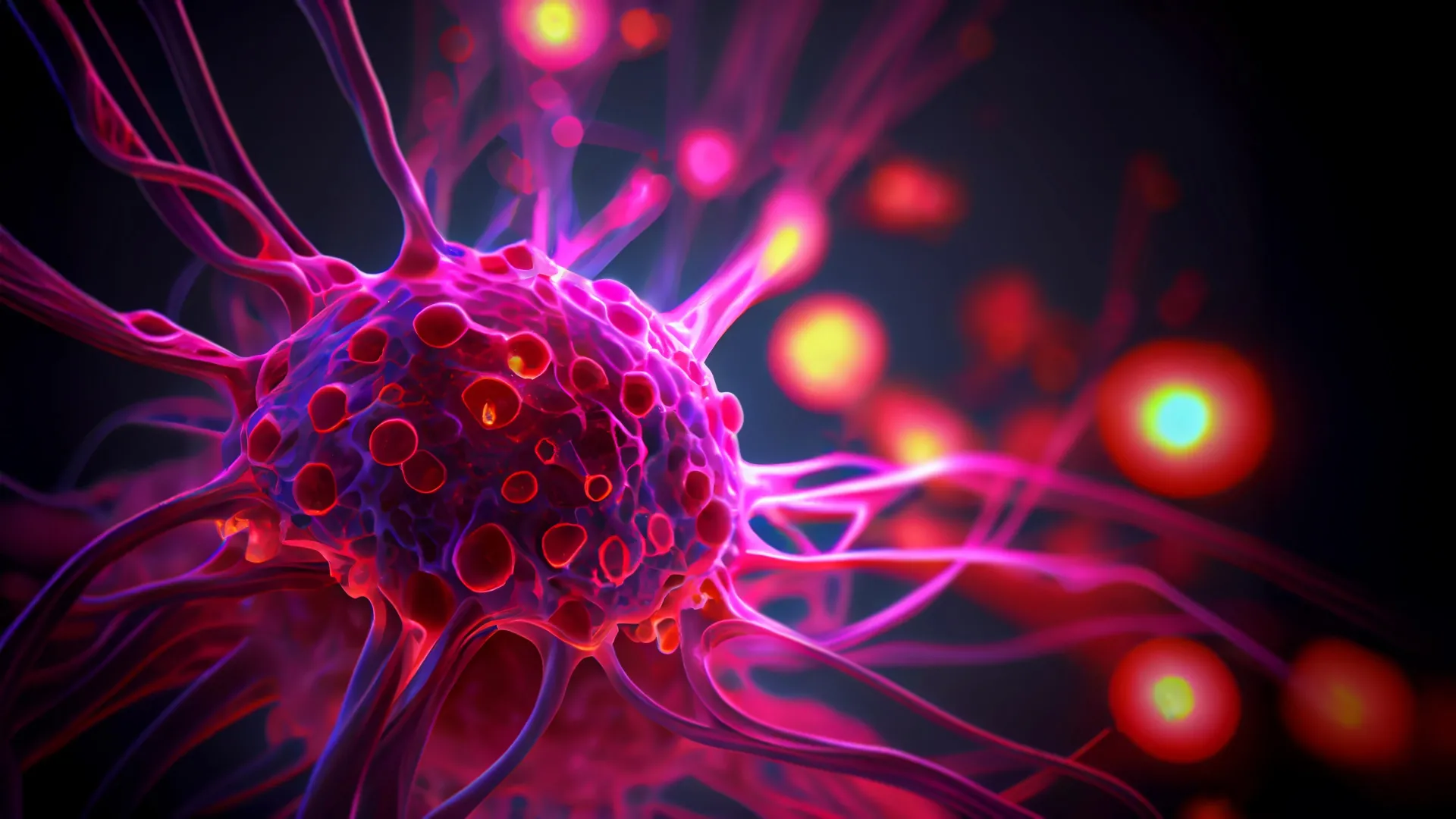
Understanding how tumors grow and spread remains one of the biggest challenges in cancer research. Scientists at the University of Geneva (UNIGE), working with the Ludwig Institute for Cancer Research, have identified a surprising factor that may…
A genetics‑guided drug, compound 6, targets CARD9 to subtly calm gut inflammation in Crohn’s disease, pointing to safer, longer‑lasting, precision treatments.