
Nearly 30 years ago, researchers began studying the gene Astn1, which encodes the cell adhesion protein astrotactin 1 in mice, and its role in brain development. During this time, they learned a great deal about the function of astrotactin 1 in…
Category: 8. Health
-

From bench to bedside—research in mice leads to answers for undiagnosed human neurodevelopmental conditions
-

Growth of spreading pancreatic cancer is fueled by 'underappreciated' epigenetic changes, shows study
In a lab-grown cell study focused on potential new treatment targets for halting the spread of most pancreatic cancers, Johns Hopkins Medicine scientists report they have found that a gene called KLF5 (Krueppel-like factor 5) fuels the growth of…
Continue Reading
-
This Genetic Discovery Could Make T Cells Unstoppable
Scientists uncover a new “recipe” that shows how exhausted T cells can be reprogrammed to regain their ability to attack tumors. When cancer or a stubborn infection keeps the immune system in a prolonged fight, some of its most important…
Continue Reading
-

Language and consciousness: An essential dialogue at the heart of our mind
Can we be conscious without language? Does language influence our conscious experience? These questions, which are central to understanding the human mind, have been explored by researchers at the University of Liège. Their study, published in…
Continue Reading
-
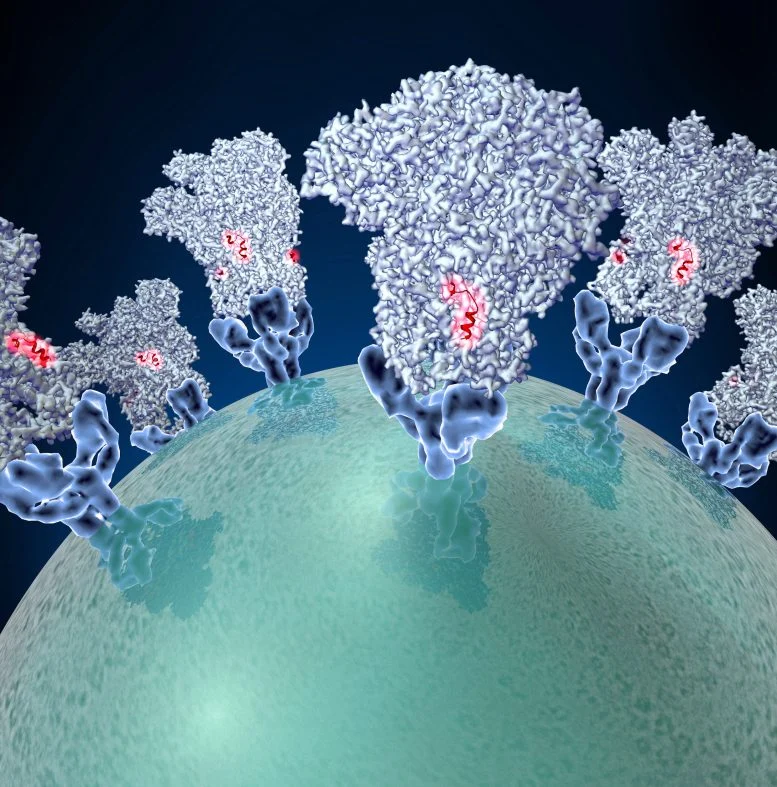
The Two Traits Every Successful COVID Variant Must Have
As population immunity continues to grow, understanding how immune responses influence both disease outcomes and viral evolution has become increasingly important. Years of vaccination and repeated exposure have left many people with some level…
Continue Reading
-

Revealing How Genetic Changes may Cause Parkinson’s Disease
Parkinson’s disease is a complex neurodegenerative disorder. The causes are still unclear, but about 10% to 15% of cases are thought to be due to genetic changes, while exposure to certain things in the…
Continue Reading
-
Revealing How Genetic Changes may Cause Parkinson’s Disease
Parkinson’s disease is a complex neurodegenerative disorder. The causes are still unclear, but about 10% to 15% of cases are thought to be due to genetic changes, while exposure to certain things in the…
Continue Reading
-
Intravenous tenecteplase found beneficial from 4.5 to 24 hours after non-large vessel occlusion ischemic stroke
For patients with non-large vessel occlusion, acute ischemic stroke and salvageable brain tissue, intravenous tenecteplase administered 4.5 to 24 hours after stroke onset is associated with a higher likelihood of excellent functional outcome at…
Continue Reading
-

Scientists Discover a New Way To Stop Pain Nerves From Invading the Spine
Researchers have identified a bone-driven signaling pathway that may explain how spinal degeneration leads to chronic pain. Low back pain (LBP) ranks among the most widespread health conditions across the globe. It affects people at every stage…
Continue Reading
-

Maternal diabetes linked to increased risk for epilepsy in offspring
Maternal diabetes (type 1 diabetes mellitus [T1DM], type 2 diabetes mellitus [T2DM], and gestational diabetes mellitus [GDM]) is associated with an increased risk for epilepsy in offspring, according to a study published online Feb. 4 in Pediatrics.
Continue Reading