
Smeland, S. et al. Survival and prognosis with osteosarcoma: outcomes in more than 2000 patients in the EURAMOS-1 (European and American Osteosarcoma Study) cohort. Eur. J. Cancer. 109, 36–50 (2019).
Category: 8. Health
-
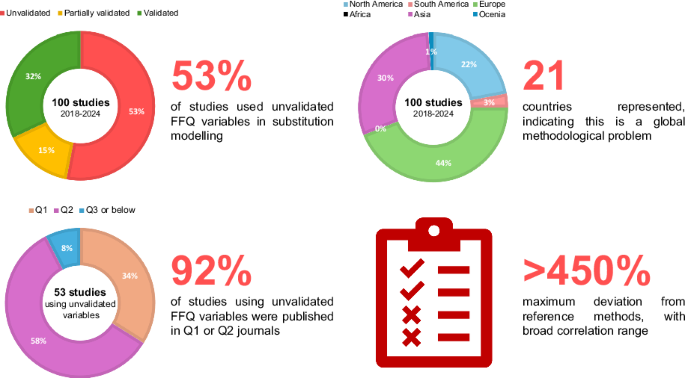
The (ab)use of food frequency questionnaire data in substitution modelling in nutritional epidemiology: a critique
Sarker J. Ethical issues of randomized controlled trials. Bangladesh J Bioeth. 2014;5:1–4.
Google Scholar
Heileson JL. Dietary saturated fat and heart disease: a narrative review. Nutr Rev….
Continue Reading
-

Watching the 2026 Winter Olympics? Here is why athletes treat danger differently
Imagine soaring more than 400 feet in the air before landing on skis, launching off a nearly 50-foot platform strapped to a snowboard, or sledding face first over 80 miles an hour down a sheet of ice—on purpose. Spectators of the 2026 Winter…
Continue Reading
-

Brain injury is almost ten times more common in unhoused people. Addressing it is key to reducing homelessness
On any given night, 60,000 people in Canada will go to sleep homeless. Research estimates that more than half of them have had a brain injury at one point in their lives, most of them being injured before becoming homeless. An estimated 22.5%…
Continue Reading
-

AI reads clinical notes to forecast colitis-linked colorectal cancer
People with ulcerative colitis (UC), a chronic inflammatory bowel disease, are up to four times more likely to develop colorectal cancer than the general population. Low-grade dysplasia (LGD)—abnormal or precancerous lesions—can be an early…
Continue Reading
-
MRI antenna can boost image quality and shorten scan times—without changing existing machines
Magnetic resonance imaging (MRI) is one of medicine’s most powerful diagnostic tools. But certain tissues deep inside the body—including brain regions and delicate structures of the eye and orbit that are of particular relevance for…
Continue Reading
-
More states allow MAID, but many Americans remain misinformed or unsure
Public misunderstanding about medical aid in dying in the United States falls into two distinct categories—misinformation and uncertainty—and each is driven by different forces, according to Rutgers Health researchers.
Continue Reading
-

Big feelings: Five ways parents can help kids learn to regulate their emotions
Parenting can be hard and can feel especially overwhelming when children have strong emotions, such as anger, frustration or excitement, that they are not always able to regulate on their own.
Continue Reading
-
Exhaust fans and air purifiers may cut adult asthma flare-ups, study finds
For adults with asthma, having fans, air purifiers or other ventilation and exhaust systems—especially in kitchens and bathrooms—is one of the best ways to reduce the risk of flare-ups at home.
Continue Reading
-
How blast waves can damage the brain without a head injury
An explosion does not need to strike the head to injure the brain. When a blast occurs, it generates a sudden pressure wave that can pass through the body and skull in milliseconds, potentially deforming brain tissue and blood vessels along the way.
Continue Reading