
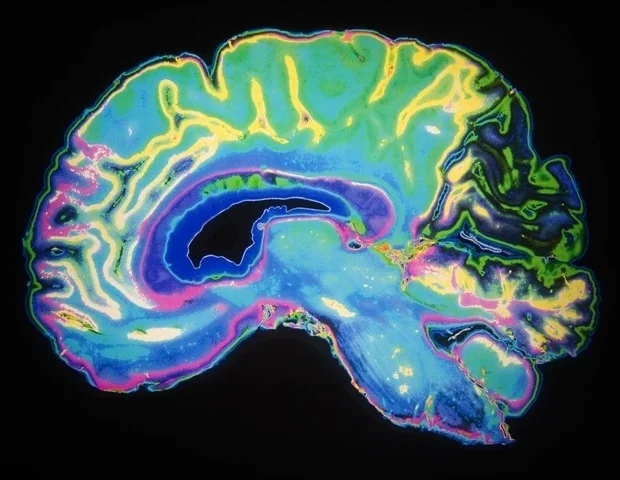
MIT researchers have discovered that two common genetic mutations that cause Rett syndrome each set off a molecular chain of events that compromises the structural integrity of developing brain blood vessels, making them leaky. The…
Category: 8. Health
-
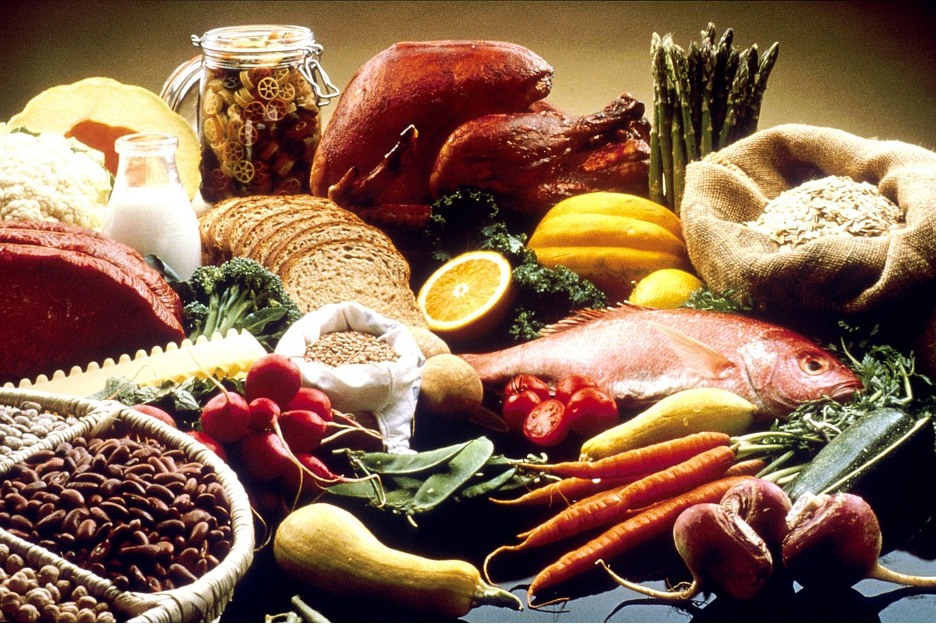
Nordic Diet Lowers Risk of Heart Disease, Cancer, and Death
New research published in The Journal of Nutrition has shown that closely following the 2023 Nordic dietary guidelines leads to a significantly lower risk of death due to any cause, including a lower risk of…
Continue Reading
-
Nordic Diet Lowers Risk of Heart Disease, Cancer, and Death
New research published in The Journal of Nutrition has shown that closely following the 2023 Nordic dietary guidelines leads to a significantly lower risk of death due to any cause, including a lower risk of…
Continue Reading
-
Nordic Diet Lowers Risk of Heart Disease, Cancer, and Death
New research published in The Journal of Nutrition has shown that closely following the 2023 Nordic dietary guidelines leads to a significantly lower risk of death due to any cause, including a lower risk of…
Continue Reading
-

Eating healthy in middle age can lower risk of brain decline, study finds
What’s on your plate today can affect your brain aging as a senior, a new study says. Middle-aged people who eat healthily have a lower risk of brain decline in old age, researchers report in JAMA Neurology.
Continue Reading
-
Aspirin not a quick fix for preventing bowel cancer, review finds
Daily aspirin use does not offer a quick or reliable way to prevent bowel cancer in the general population and carries immediate risks of serious bleeding, a new Cochrane review finds.
Continue Reading
-

Meningococcal B vaccination does not reduce gonorrhea, trial results show
Contrary to existing evidence from observational studies, the meningococcal B vaccine (4CMenB) has no effect on preventing the acquisition of gonorrhea, according to the results of the world’s largest randomized control trial (RCT) into possible…
Continue Reading
-

Frequently distracted? Your brain rhythms may be to blame
Scientists may have new answers to why pop-ups or notifications grab our attention. Turns out our attention is on a cycle, shifting seven to 10 times per second. This rhythmic occurrence may be crucial for survival, as it prevents us from…
Continue Reading
-
Thyroid eye disease tied to higher prevalence of human papillomavirus
Patients with thyroid eye disease (TED) have a higher prevalence of low-risk human papillomavirus (HPV) diagnosed before autoimmune hyperthyroidism onset than matched controls, according to a research letter published online Feb. 12 in JAMA…
Continue Reading
-
Differing immune responses in infants may explain increased severity of RSV over SARS-CoV-2
Young infants hospitalized with respiratory syncytial virus (RSV) often become much sicker than those infected with SARS-CoV-2, the virus that causes COVID-19. In a study published in Science Translational Medicine, scientists from St. Jude…
Continue Reading