
Irritability is one of the most common and distressing problems teenagers and their families face.
Category: 8. Health
-
Severe irritability in teens can be reduced by daily doses of vitamins and minerals—new research
-
Kennedy And Oz Address `Addiction Epidemic,’ But Policy Details Are Murky
Trump administration says it wants to tackle the “addiction epidemic.” But it’s eliminating addiction treatment resources and access to mental healthcare.
Continue Reading
-
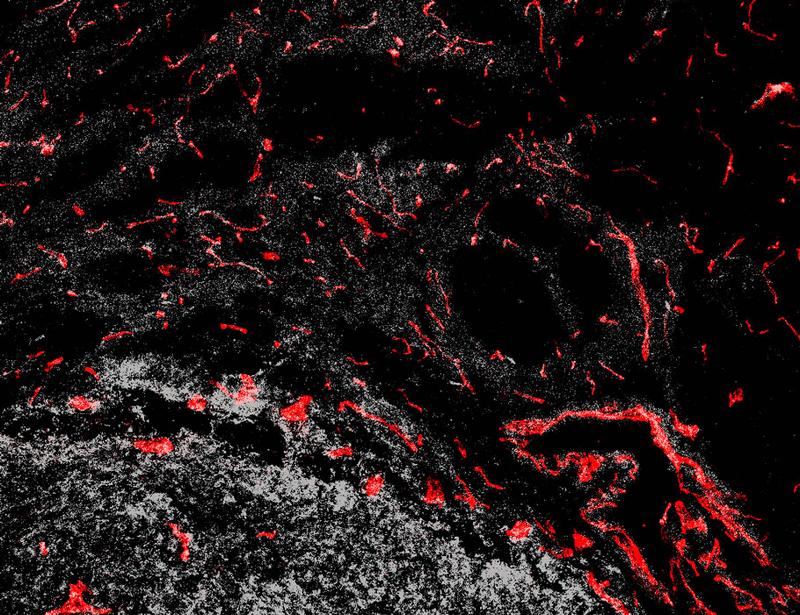
Engineering CAR T cells to secrete VEGF-neutralizing scFvs enhances antitumor activity against solid tumors | Science Translational Medicine
Armoring CAR T cells with the ability to secrete VEGF-neutralizing single-chain variable fragments enhances potency and control of tumors in vivo.
Continue Reading
-
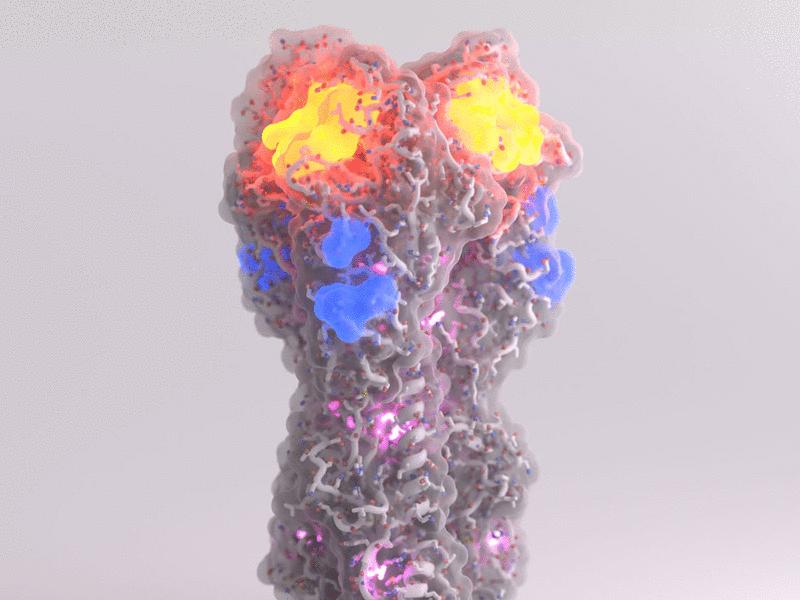
Stabilization of the H5 clade 2.3.4.4b hemagglutinin improves vaccine-elicited neutralizing antibody responses in mice | Science Translational Medicine
Vaccinating with a stabilized H5 hemagglutinin increases the proportion of humoral responses against neutralizing receptor binding site epitopes.
Continue Reading
-
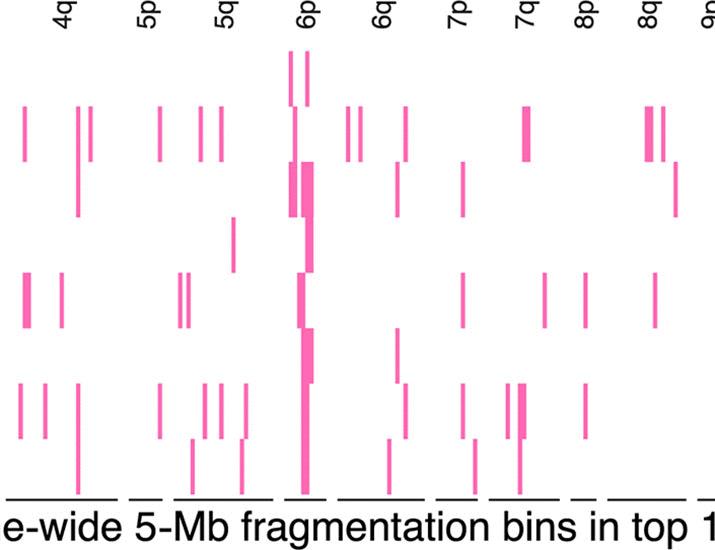
Cell-free DNA fragmentomes for noninvasive detection of liver cirrhosis and other diseases | Science Translational Medicine
Genome-wide cfDNA fragmentomes are altered in liver disease and other morbidities and enable noninvasive detection of liver fibrosis and cirrhosis.
Continue Reading
-
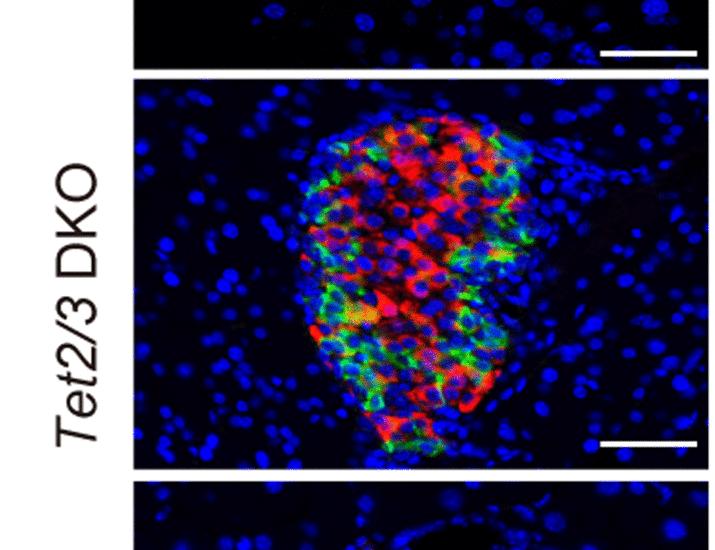
Epigenetically regulated pancreatic GABA-somatostatin signaling underlies gestational diabetes–induced glucose intolerance in offspring | Science Translational Medicine
TET-controlled GABA-somatostatin signaling in pancreatic islets underlies intrauterine hyperglycemia-induced glucose intolerance in offspring.
Continue Reading
-
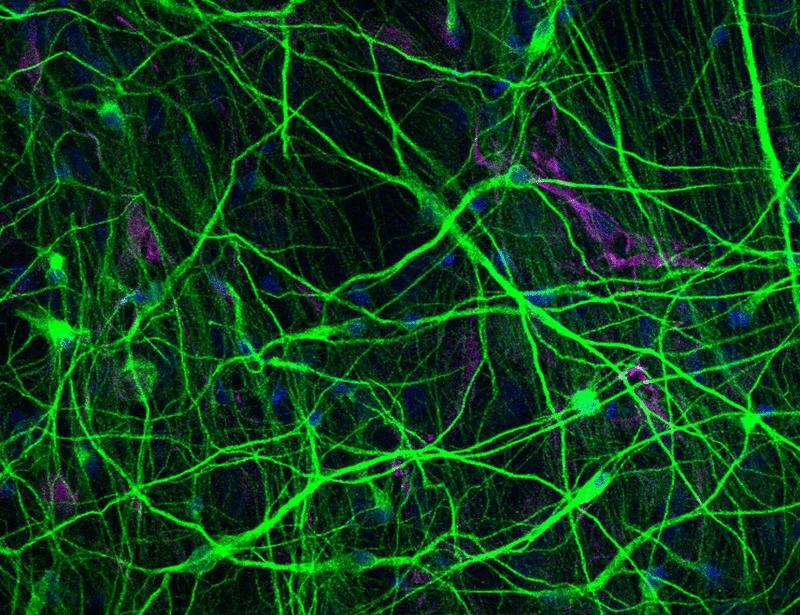
Modulating alternative splicing of MECP2 is a potential therapeutic strategy for Rett syndrome | Science Translational Medicine
Switching of MECP2-e2 to the more efficiently translated e1 isoform up-regulates MeCP2 protein and rescues deficits in RTT iPSC-derived neurons.
Continue Reading
-
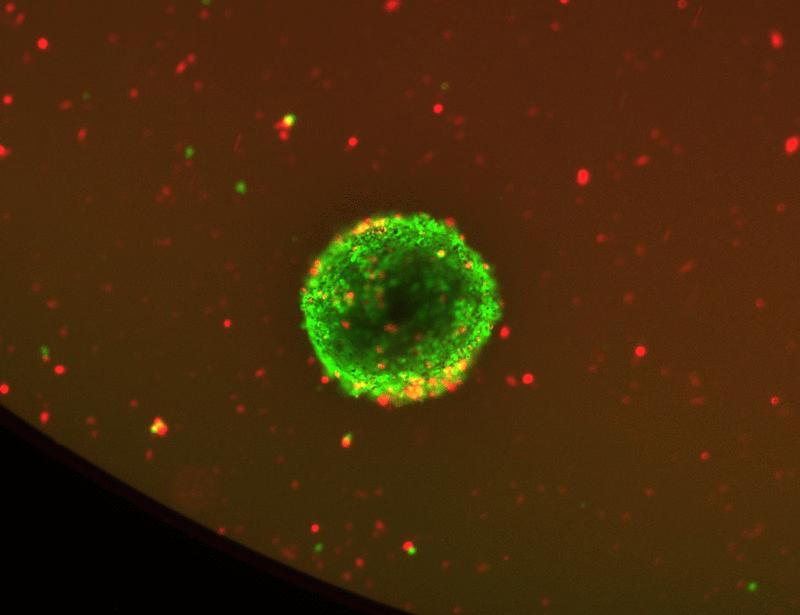
Drug screening on tumor organoids exposes therapeutic vulnerabilities of meningiomas to HDAC1/2i panobinostat | Science Translational Medicine
The HDAC inhibitor panobinostat is effective against aggressive meningiomas, and resistance is mediated through a targetable HDAC8-TGFβ-EMT axis.
Continue Reading
-
Gut microbiome connected with heart disease precursor
Before the onset of cardiovascular disease symptoms, people often develop dyslipidemia, or abnormal levels of lipids in the blood. Recent studies suggest that microbes in the gut play an important role in how the body produces, regulates, and…
Continue Reading
-

Addressing chronic hearing loss
Even though chronic hearing loss is one of the most prevalent chronic conditions for people 65 and older, less than 20% seek help for it, says Michael Hefferly, Ph.D., an audiologist at Rush. One reason: lack of awareness. “There’s a…
Continue Reading