
Many Americans remain uneasy about driverless cars. According to new research, their concerns go far beyond safety.
Category: 8. Health
-

Most Americans say they don't trust driverless cars—here's why
-

Good‑quality child care? What parents should consider, and how it can be assessed
Children’s experiences during early years form the foundation for their development.
Continue Reading
-
Can the critters in your mouth cause or cure disease?
No matter how much you brush, floss and rinse, there’s a zoo colonizing your teeth, gums and tongue.
Continue Reading
-
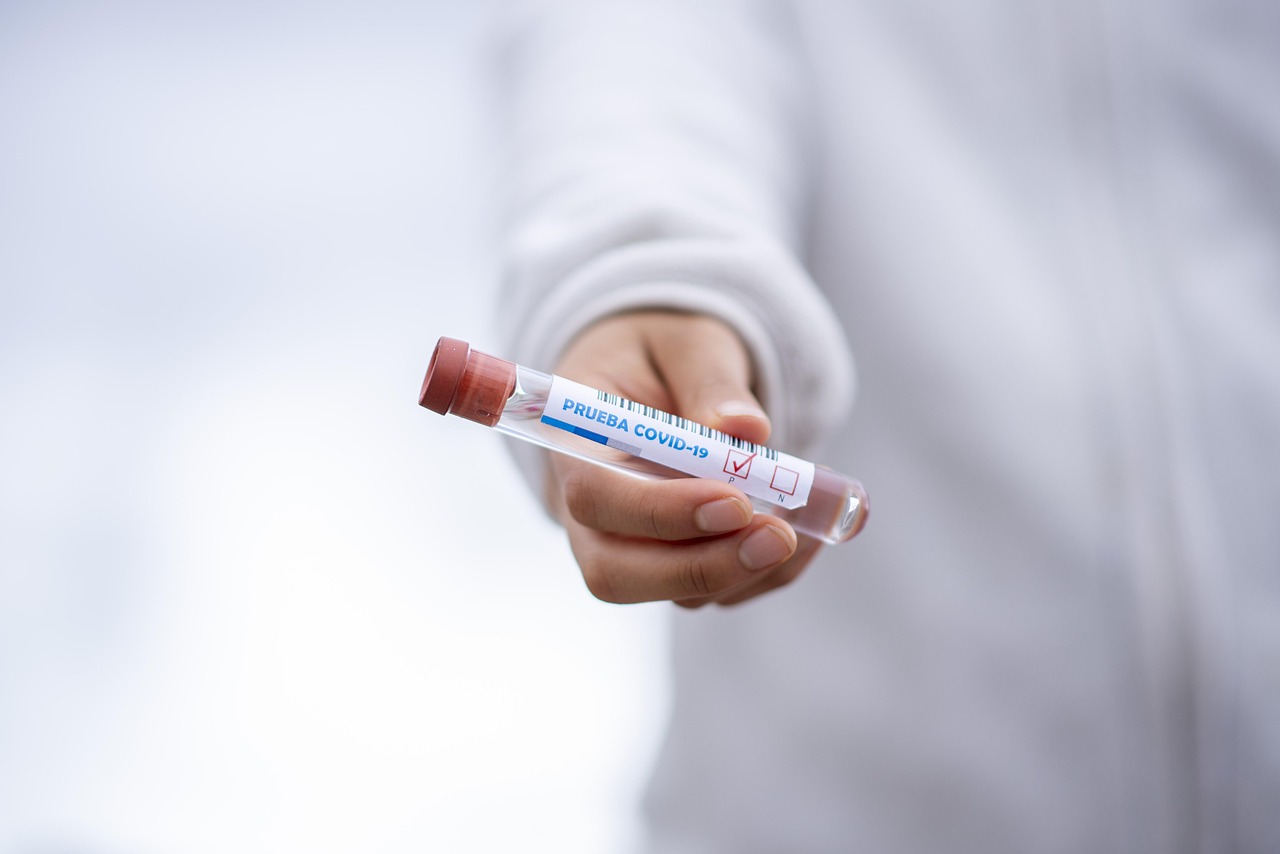
Study finds iron deficiency can halt young pancreatic beta cell growth
The beta cells in our pancreas act as highly sensitive sensors that constantly measure the amount of sugar in our blood. As soon as we eat something and the sugar level rises, the beta cells produce insulin to help the body process the sugar…
Continue Reading
-

Q&A: Exploring the neural basis of visual imagination
Isaiah Kletenik, MD, and Julian Kutsche, of the Center for Brain Circuit Therapeutics within the Mass General Brigham Neuroscience Institute, are the senior and lead authors of a paper published in Cortex, titled “Lesions Causing Aphantasia are…
Continue Reading
-

This New Mental Health Treatment Could Save Billions in Sick Leave Costs
A therapy approach that changes how people relate to their thoughts may help address one of the fastest-growing drivers of sick leave. A treatment approach that combines metacognitive therapy with a focus on employment may allow people with…
Continue Reading
-
Hyrox is booming worldwide. Here's how to train for this race safely and effectively
Once a niche challenge for hardcore athletes, Hyrox has become one of the fastest-growing fitness trends worldwide. It blends elements of endurance running with functional strength work in a way that appeals to both strength and cardio enthusiasts.
Continue Reading
-

A Simple Dietary Supplement Could Make the Difference Between Life and Death During Illness
A simple dietary amino acid may play a surprising role in controlling inflammation. The moment the body is injured or infected—whether from touching a hot pan or catching the flu—a complex biological process begins. Symptoms appear and change…
Continue Reading
-
Teenagers are getting far less sleep now than they did in late 2000s, finds new study
Eight hours of sleep used to be the norm, and all-nighters with only a few hours of rest were rare among teenagers. In recent years, however, there has been an alarming decline in sleep duration. It has reached a point where insufficient sleep…
Continue Reading
-
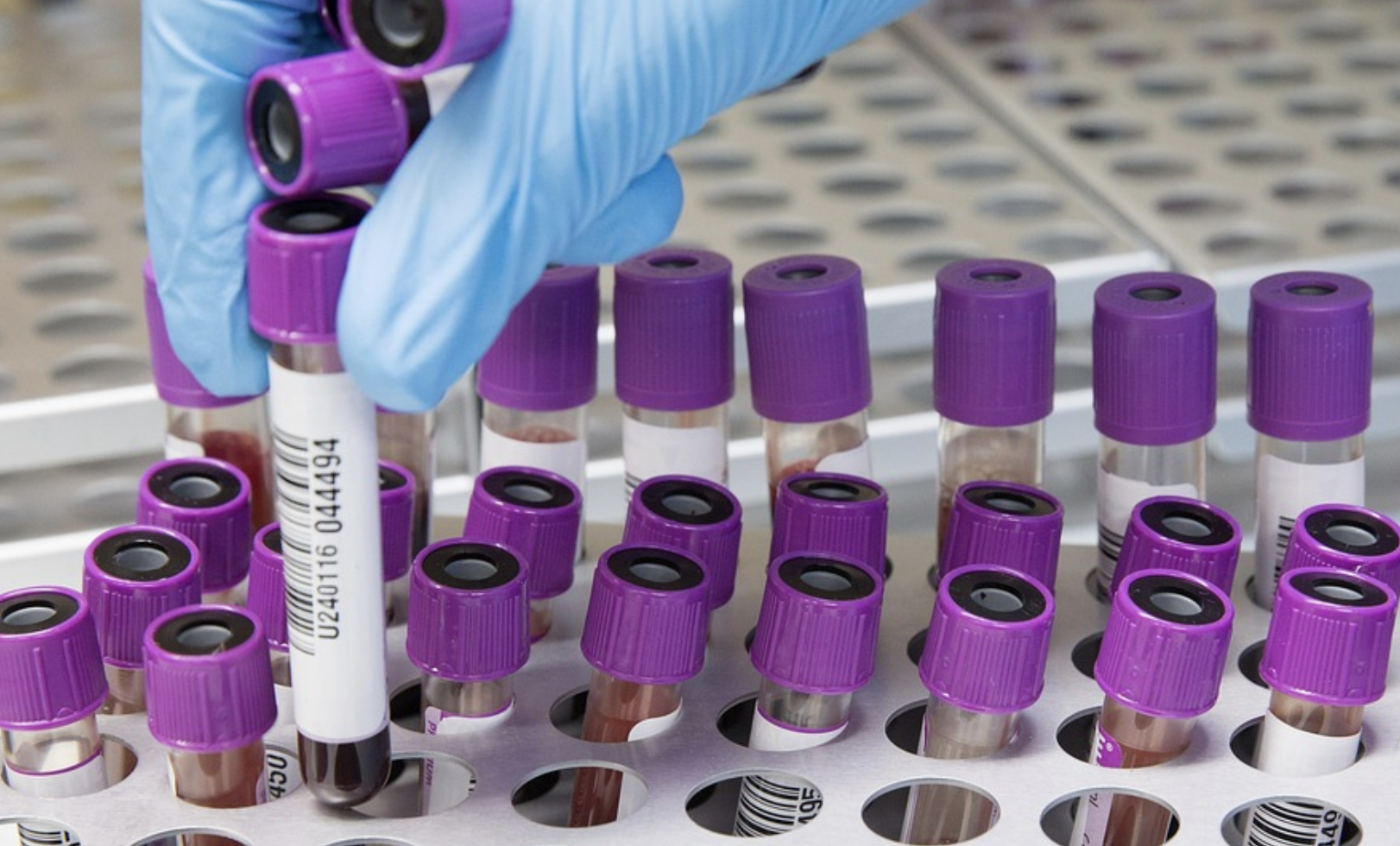
A Simple Vitamin B3 Treatment Could Relieve a Rare Disease
Our bodies perform many critical metabolic reactions, using a wide range of enzymes and other molecules. When there is a problem with one of these metabolism-related molecules because of a genetic defect, a…
Continue Reading