
Severe COVID or flu may quietly raise lung cancer risk—but vaccines appear to stop the damage before it starts. New research from UVA Health’s Beirne B. Carter Center for Immunology Research and the UVA Comprehensive Cancer Center suggests…
Category: 8. Health
-
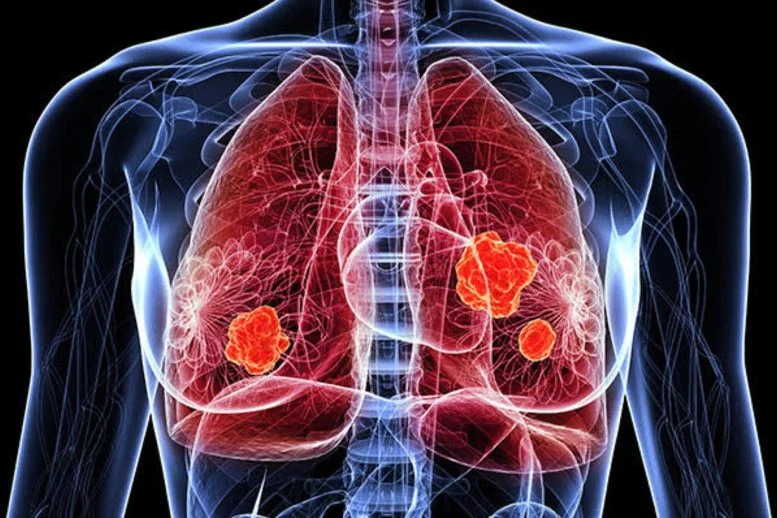
A Bad Case of COVID or Flu May Raise Lung Cancer Risk Years Later
-
Why High Performers Ignore Health Problems — And Why It Matters
High performers often delay medical care because of resilience and pressure to push through. That delay can lead to higher health risks and greater long-term costs
Continue Reading
-
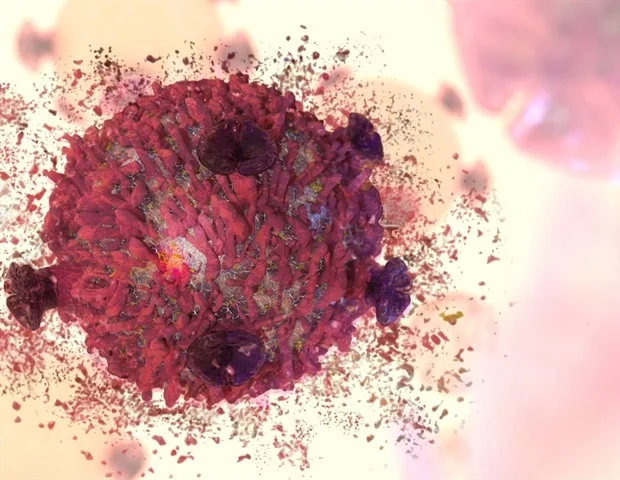
Photoreceptor cells can recover from early stages of cell death
Photoreceptors are specialized cells in the eye that convert light energy into neural signals.
Several diseases that cause irreversible vision loss, including age-related macular degeneration, retinitis pigmentosa and retinal…
Continue Reading
-
A New Antibody Approach To Preventive Treatment For HIV
A dual-action HIV antibody–drug conjugate forces Env to open, then blocks it, boosting virus neutralization up to tenfold in the lab.
Continue Reading
-
The Secret Life of Neurotransmitters
With every soul-nourishing walk in the woods, every delicious devouring of a chocolate fudge cake, our brains are bathed in a molecule called dopamine. It’s renowned as one of our main feel-good chemicals. Neurons in our brains release it when…
Continue Reading
-
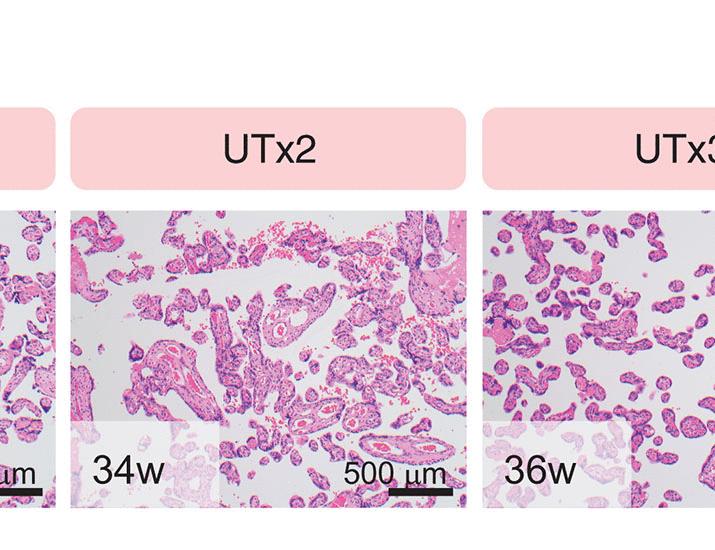
Inhibition of NFAT after human uterus transplant promotes loss of tissue-resident NK cells and attendant pregnancy complications | Science Translational Medicine
NFAT blockade in uterus transplant disrupts uterine NK tissue residency and associates with placental histopathology and pregnancy complications.
Continue Reading
-
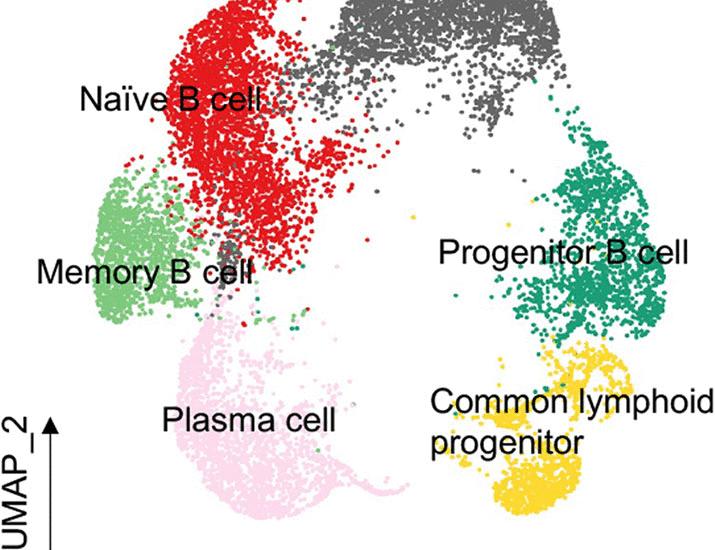
Aberrant bone marrow granulopoiesis generates neutrophils that promote B cell activity in neuromyelitis optica spectrum disorder | Science Translational Medicine
Aberrant bone marrow granulopoiesis in NMOSD leads to increased output of BAFF-producing neutrophils that can drive AQP4-IgG production.
Continue Reading
-
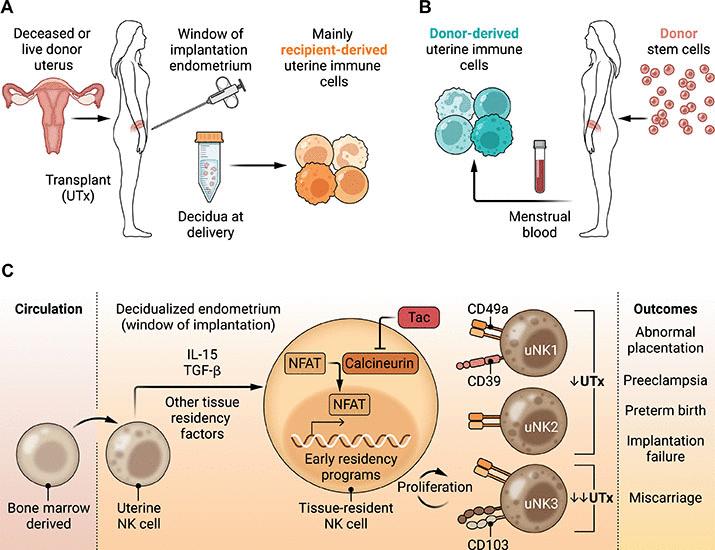
Tac-kling tissue-resident uterine NK cells | Science Translational Medicine
After human uterus transplant, all uterine immune cell lineages were reconstituted but with alterations in tissue-resident NK cells, potentially due to tacrolimus (Asiimwe et al. and Strunz et al., this issue).
Continue Reading
-
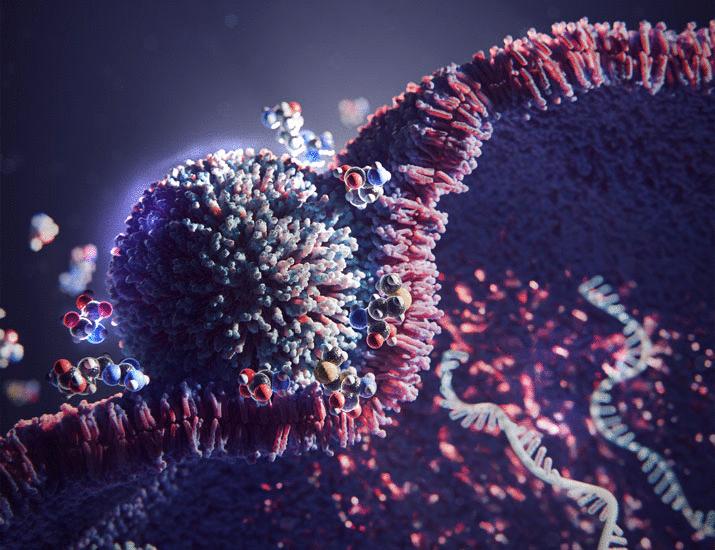
Amino acid supplementation enhances in vivo efficacy of lipid nanoparticle–mediated mRNA delivery in preclinical models | Science Translational Medicine
Coinjection of an amino acid cocktail with LNPs enhanced in vivo delivery efficacy and improved preclinical mRNA therapy outcomes.
Continue Reading
-
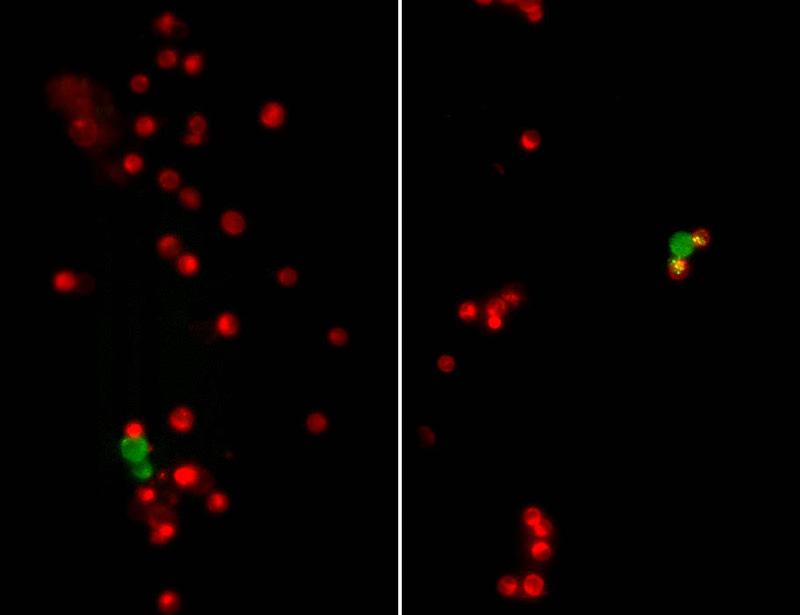
Dual-positive CTCs in patients with advanced breast cancer show metastatic potential and prognostic value | Science Translational Medicine
Dual-positive CTCs are prognostic in patients with advanced breast cancer, have aberrant genomes, and, in vivo, can form metastasis.
Continue Reading