
Persons under stress may have a harder time spatially orienting themselves. Researchers in Bochum have discovered why.
The stress hormone cortisol disrupts the brain’s navigational system. It impairs the function of the grid cells…

Persons under stress may have a harder time spatially orienting themselves. Researchers in Bochum have discovered why.
The stress hormone cortisol disrupts the brain’s navigational system. It impairs the function of the grid cells…
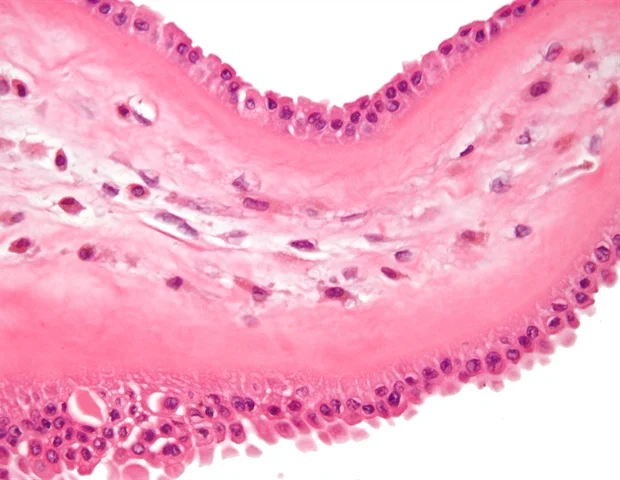
Macrophages are central to mechanobiology research: their physical characteristics-stiffness, adhesion, and ECM (extracellular matrix) sensing-are inextricably linked to their phenotypic polarization and immune function….

Eating to 80% fullness may promote mindful habits, modest calorie reduction, and long-term health benefits. In several regions of Japan known for exceptional longevity, many people follow a principle called hara hachi bu. Rooted in Confucian…

How are patients substituting traditional painkillers for cannabidiol (CBD) to manage their diseases? This is what a recent study published in Frontiers in Public Health and was funded by the National…
How are patients substituting traditional painkillers for cannabidiol (CBD) to manage their diseases? This is what a recent study published in Frontiers in Public Health and was funded by the National…
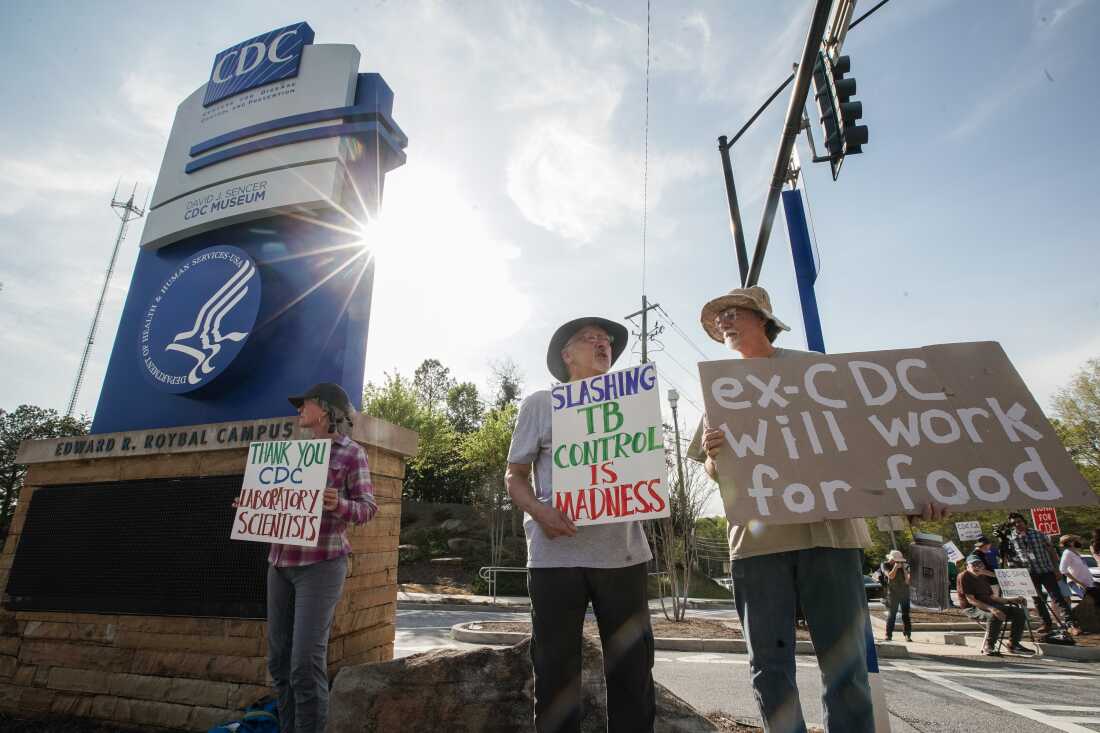
Demonstrators protest staffing cuts outside the Atlanta headquarters of the Centers For Disease Control and Prevention…
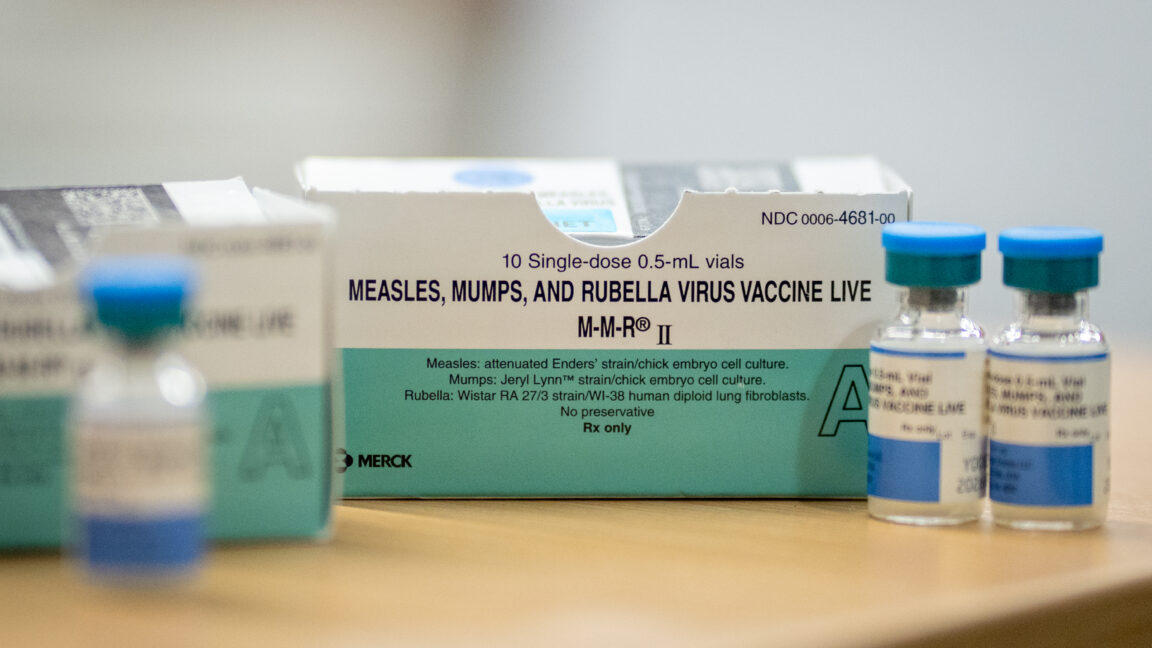
In January 2025, a measles outbreak erupted on the western edge of Texas and soon spilled over to New Mexico and other states. The overall outbreak would become the largest the country has…
Self‑amplifying RNA boosts a heart‑healing peptide, reducing scarring and improving heart function after a heart attack in animals as a potential add‑on therapy.
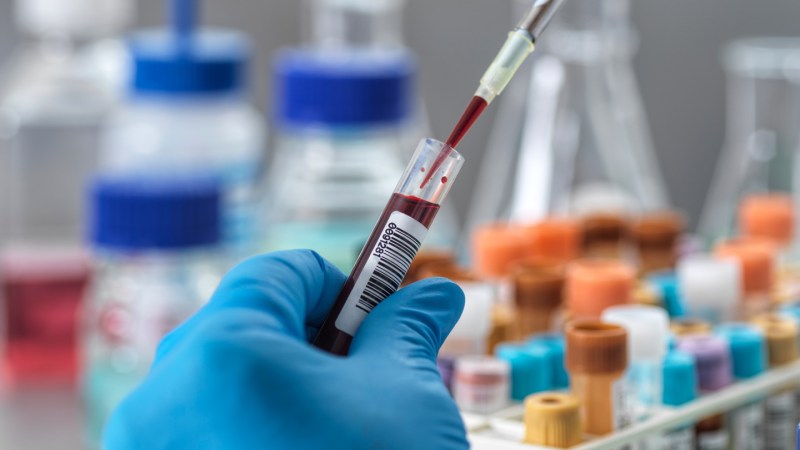
A handful of tiny molecules circulating in the blood may help identify which older adults are most likely to survive the next two years, researchers report February 24 in Aging Cell.
In a study of more than 1,200 people 71 and older,…
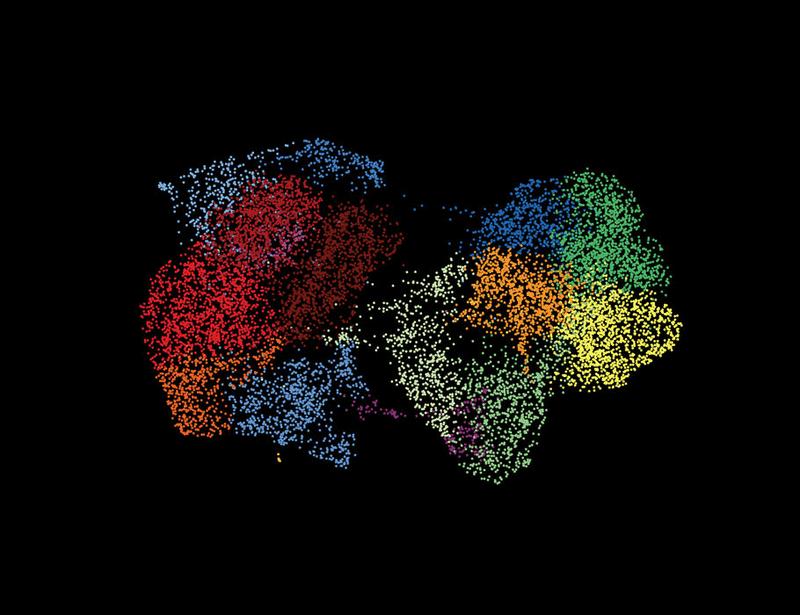
Expanded HSPC inputs reveal early gene expression, chromatin accessibility, and transcription factor roles in T cell program entry.