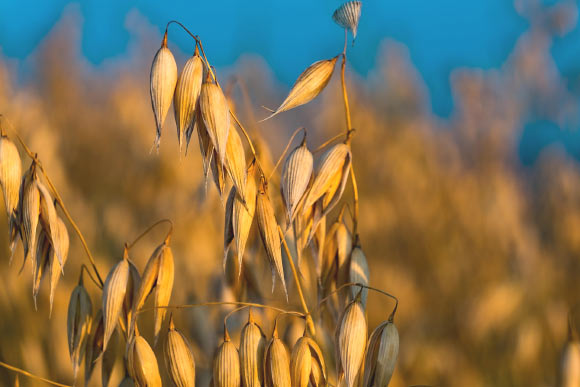
Oat (Avena sativa) grain is a traditional human food that is rich in dietary fiber and contributes to improved human health. Interest in the crop has surged in recent years owing to its use as the basis for plant-based milk analogues. In…
Category: Genetics
-
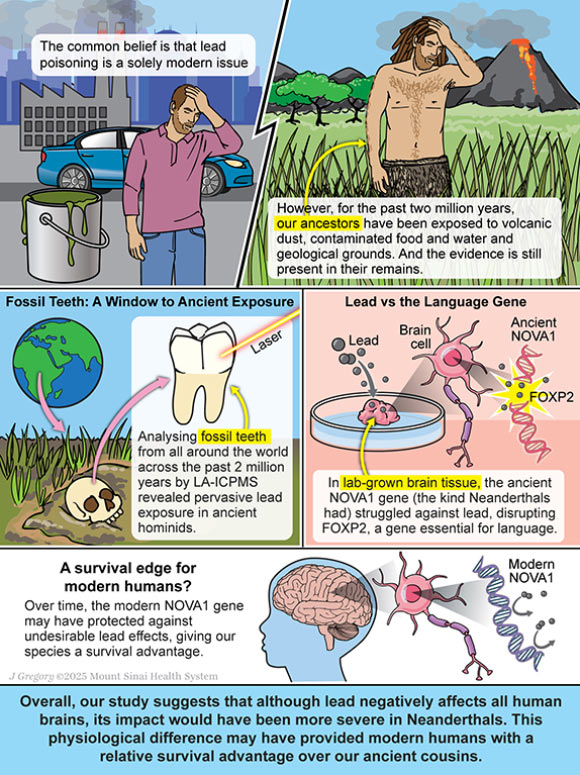
Lead Exposure May Have Influenced Evolution of Human Brain, Behavior, and Development of Language
Several hominids — Australopithecus africanus, Paranthropus robustus, early Homo sp., Gigantopithecus blacki, Pongo sp., Papio sp., Homo neanderthalensis, and Homo sapiens — were consistently exposed to lead over 2 million years,…
Continue Reading
-

Hippos Lived in Central Europe around 40,000 Years Ago, New Study Suggests
A small, isolated population of common hippos (Hippopotamus amphibius) was present in the Upper Rhine Graben in southwestern Germany during the middle Weichselian, a period spanning from 47,000 until 31,000 years ago, according to new…
Continue Reading
-
AI-designed proteins test biosecurity safeguards
New patches to biosecurity screening software can make it harder to produce potentially harmful proteins using artificial intelligence.
Around the world, this software monitors processes to artificially make proteins, ensuring that…
Continue Reading
-
What Made Horses Rideable
Explore
When humans began to charge across plains and mountains on the sleek backs of…
Continue Reading
-
AI generated its first working genome: a tiny bacteria killer
This is a human-written story voiced by AI. Got feedback? Take our survey. (See our AI policy here.)
Artificial intelligence can dash off more than routine emails. It has now written tiny working genomes.
Two AI models...
Continue Reading
-
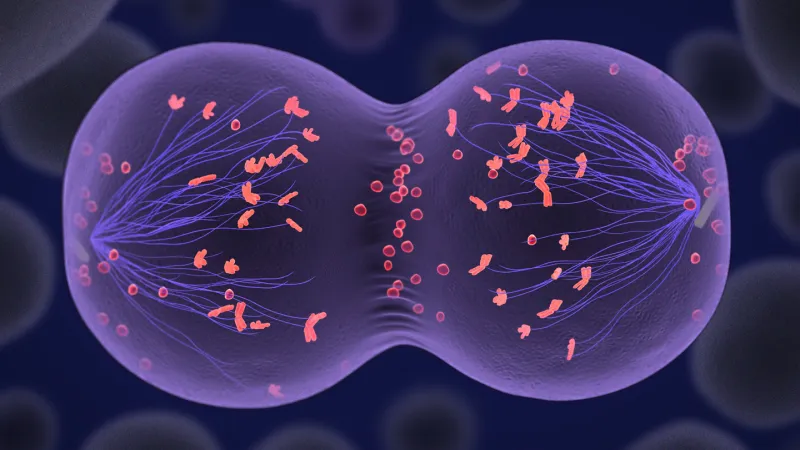
Scientists made human egg cells from skin cells
Creating human eggs from adult cells just got one step closer to reality.
A technique used in cloning combined with fertilization and a bit of chemical coaxing caused human skin cells to produce eggs able to give rise to early human…
Continue Reading
-

Slavs Originated in Ukraine and Southern Belarus, DNA Study Finds
The second half of the first millennium CE in Central and Eastern Europe was accompanied by fundamental cultural and political transformations. This period of change is commonly associated with the appearance of the Slavs, which is supported…
Continue Reading
-
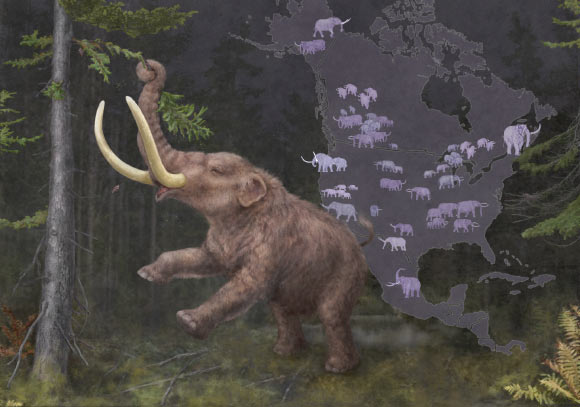
Mastodons were Far More Genetically Diverse than Previously Known, Ancient DNA Shows
Ancient DNA has been useful in reconciling deep evolutionary relationships and responses to ecological changes in elephants and their relatives. In new research, scientists sequenced the mitochondrial genomes of several mastodons: five from…
Continue Reading