
 Engineers debuted a new framework introducing computational tools and self-reflective AI assistants, potentially advancing fields like optical computing and astronomy.
Category: Engineering
-
New agentic AI platform accelerates advanced optics design
-

Nvidia bulks up open source offerings with an acquisition and new open AI models
Nvidia continues to expand its footprint in open source AI on two fronts: an acquisition and a new model release.
The semiconductor giant announced Monday it acquired SchedMD, the leading developer of popular open source workload management…
Continue Reading
-

How 3D printing creates stronger vehicle parts by solving aluminum's high-temperature weakness
Aluminum is prized for being lightweight and strong, but at high temperatures it loses strength. This has limited its use in engines, turbines, and other applications where parts must stay strong under high temperature conditions. Researchers at…
Continue Reading
-

Sub-millimeter-sized robots can sense, 'think' and act on their own
Robots small enough to travel autonomously through the human body to repair damaged sites may seem the stuff of science fiction dreams. But this vision of surgery on a microscale is a step closer to reality, with news that researchers from the…
Continue Reading
-

It is rocket science: New method to more rapidly evaluate heat shields
From the tragedy of the space shuttle Columbia disaster in 2003 to the now-routine return of commercial spacecraft, heat shields—formally called thermal protection systems—are critical for protecting vehicles from the intense heat and…
Continue Reading
-
Transparent ceramic could boost internet speeds and cut energy use
A new class of ceramics are not only transparent, but they can control light with exceptional efficiency—better than any theories predicted. Now, an advanced theory put forth by researcher at Penn State may explain why this material is so good…
Continue Reading
-

Generations in Dialogue: Human-robot interactions and social robotics with Professor Marynel Vasquez
Generations in Dialogue: Bridging Perspectives in AI is a podcast from AAAI featuring thought-provoking discussions between AI experts, practitioners, and enthusiasts from different age groups…
Continue Reading
-
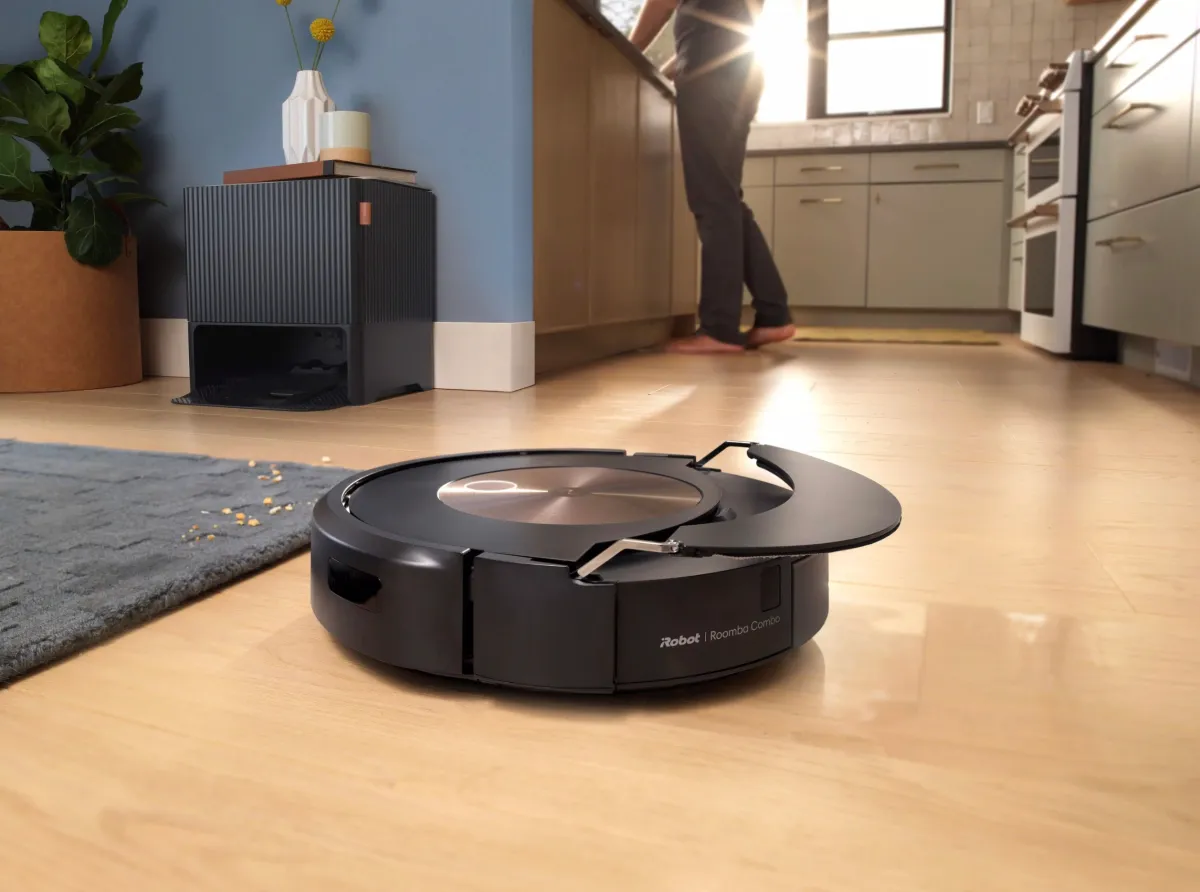
How iRobot lost its way home
There’s something painfully American about the arc of iRobot, the company that taught your vacuum to navigate around the furniture. Founded in 1990 in Bedford, Massachusetts by MIT roboticist Rodney Brooks and his former students Colin Angle…
Continue Reading
-
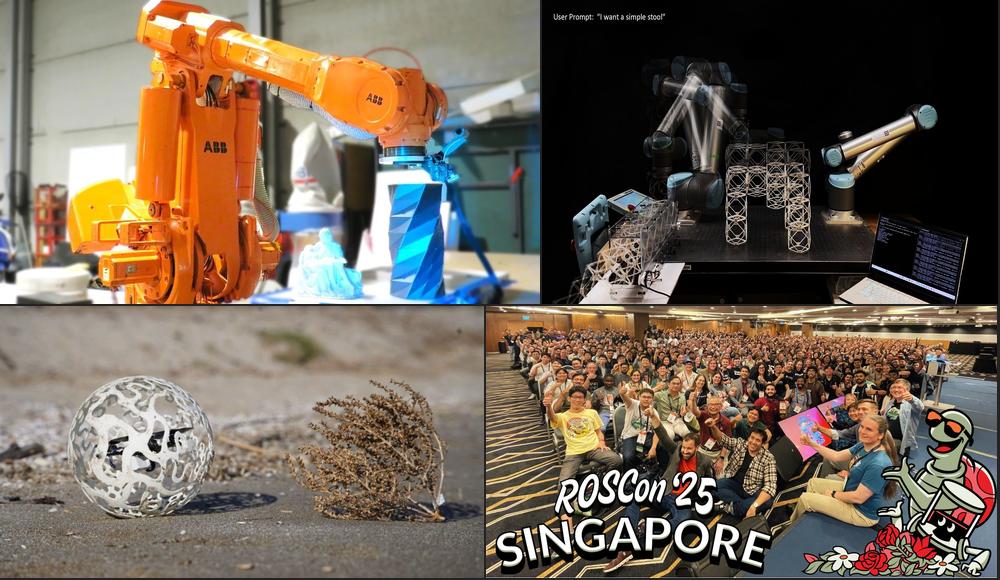
Weekly Robotics #340
Last week, I attended the first Paris HW Meetup. It was great to come back to France, even for a little while, and learn what people are up to at Hugging Fave, UMA, Stanley Robotics, and Gobano Robotics. It was also my pleasure to present…
Continue Reading
-

AI finds a hidden stress signal inside routine CT scans
Researchers have used a deep learning artificial intelligence model to identify what they describe as the first biomarker of chronic stress that can be directly seen on standard medical images. The findings are being presented next week at the…
Continue Reading