
U.S. forests have stored more carbon in the past two decades than at any time in the last century, an increase attributable to a mix of natural factors and human activity, finds a new study.
Category: Earth
-
US forests store record carbon as natural and human factors combine
-
Grains of sand prove people—not glaciers—transported Stonehenge rocks
Ask people how Stonehenge was built and you’ll hear stories of sledges, ropes, boats and sheer human determination to haul stones from across Britain to Salisbury Plain, in south-west England. Others might mention giants, wizards, or alien…
Continue Reading
-
Critical Atlantic Ocean currents kept going during last ice age, microfossils suggest
During the last ice age, the Atlantic Ocean’s powerful current system remained active and continued to transport warm, salty water from the tropics to the North Atlantic despite extensive ice cover across much of the Northern Hemisphere, finds…
Continue Reading
-
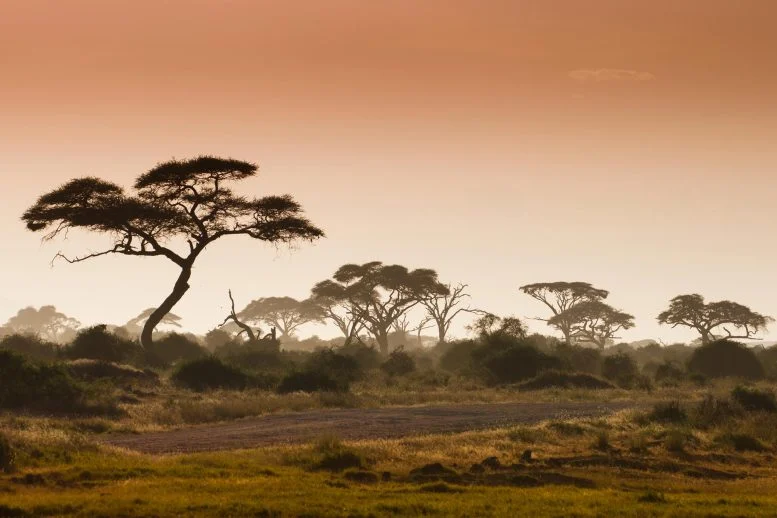
Africa’s Forests Are No Longer Absorbing Carbon, Scientists Warn
An analysis led by the University of Leicester shows that the African continent lost around 106 billion kilograms of forest biomass each year between 2010 and 2017. New research suggests that Africa’s forests, long seen as a powerful buffer…
Continue Reading
-
Dredging sand and silt has consequences for the North Sea
Through sand extraction and the disposal of dredged harbor silt, about 200 million tons of sediment are relocated every year in the coastal waters of the North Sea. The Wadden Sea is particularly strongly affected. This is the result of a new…
Continue Reading
-
The way Earth's surface moves has a bigger impact on shifting the climate than we knew
Our planet has experienced dramatic climate shifts throughout its history, oscillating between freezing “icehouse” periods and warm “greenhouse” states.
Continue Reading
-
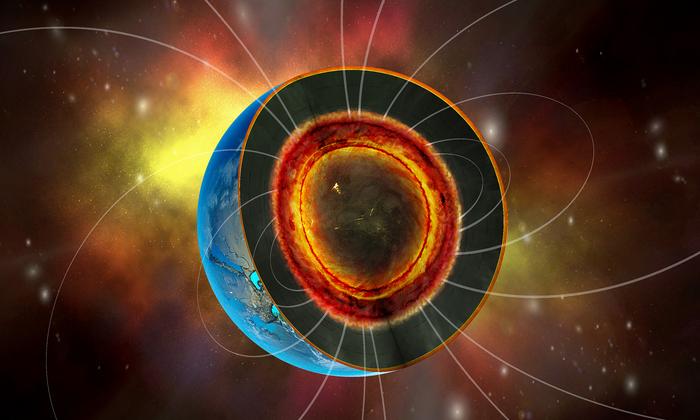
Super-Earths May Have Stronger Magnetic Fields Than Earth
How can magnetic fields help determine the habitability of exoplanets? This is what a recent study published in Nature Astronomy hopes to address as a team of researchers from the University of Rochester and…
Continue Reading
-
Some creeks temporarily run stronger after wildfire, and now we know why
New UBC Okanagan research shows that wildfire can change how much water remains in streams during the driest months of the year.
Continue Reading
-
Q&A: Why Philly has so many sinkholes
In early January, a giant sinkhole formed at an intersection in the West Oak Lane neighborhood of North Philadelphia after a water main break. Just two weeks earlier, the city reopened a section of the Schuylkill River Trail in Center City that…
Continue Reading
-
Get ready for smokier air: Record 2023 wildfire smoke marks long-term shift in North American air quality
A new analysis of air quality data from the past 70 years shows that Canada’s record wildfire smoke in 2023 is part of a broader, continent-wide trend toward smokier skies across North America.
Continue Reading