
In terms of area, forest is the most important means of avalanche protection. It is also the most cost-effective and is naturally renewable. This insight hit home after the winter of 1951, when over 1,000 avalanches caused immense damage. The SLF…
Category: Earth
-
Avalanche winter 1951: Forest emerges as most-effective protection following disasters in Alps
-
Glaciers in retreat: Uncovering tourism's contradictions
As glaciers around the world melt at unprecedented rates, tourism in these icy landscapes is booming, adding pressure to vulnerable regions and disrupting delicate ecosystems. A collective effort, led by UNIL and published in Nature Climate…
Continue Reading
-
Discovering new connections between Great Lakes' winter storms and global climate patterns
About a year ago, researchers at the University of Michigan found that the extratropical cyclones that are the biggest drivers of winter weather in the Great Lakes region are warming and trending northward. That means, outside of the northern…
Continue Reading
-
A piece of Africa in Europe? New insights into plate tectonics of the Balkans
Around the Balkan Peninsula, the African plate is sinking beneath the European plate. A piece of deeply submerged African crust resurfaced 40 million years ago far away from the sinking zone. How this phenomenon of so-called vertical extrusion…
Continue Reading
-
Satellite observations put stratospheric methane loss higher than models predicted
Methane is a powerful greenhouse gas with strong heat-trapping capabilities. Although there is less methane in the atmosphere than carbon dioxide, the foremost greenhouse gas, researchers attribute 30% of modern global warming to methane….
Continue Reading
-
How the spring thaw influences arsenic levels in lakes
From 1948 to 1953, a gold mine called Giant Mine released about 5 tons of arsenic trioxide per day into the environment around Yellowknife, Northwest Territories, Canada. Emissions declined from the 1950s until the mine closed in 2004, but the…
Continue Reading
-
Why do disasters still happen, despite early warnings? Because systems are built to wait for certainty
After major disasters, public debate often treats them as unexpected or unprecedented. This reaction is not necessarily about the absence of warnings. It reflects how societies process shock—and how authorities often explain disruption as…
Continue Reading
-
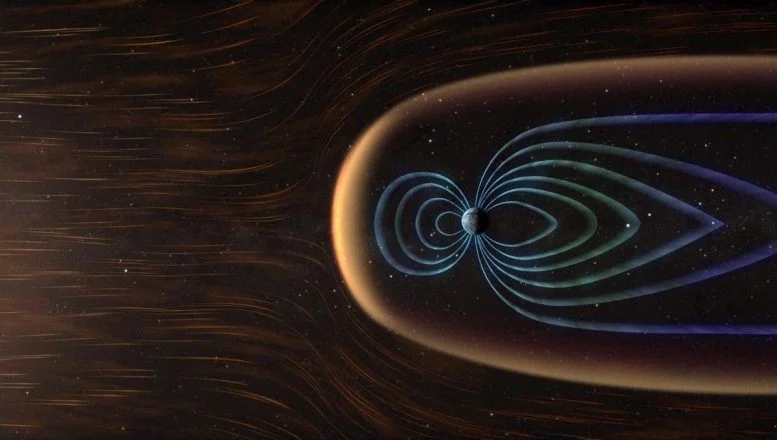
NASA Finds Earth’s Oxygen Follows a Hidden Magnetic Rhythm
Earth’s magnetic field and atmospheric oxygen appear to have moved in sync for half a billion years, pointing to a surprising connection between the planet’s deep interior and life-supporting conditions above ground. Magnetic Field and Oxygen…
Continue Reading
-
2023–2024 El Niño triggered record-breaking sea level spike along African coastlines, study finds
Africa’s coastlines are under growing threat as sea levels climb faster than ever, driven by decades of global warming caused by human activity, natural climate cycles, and warming ocean waters. Between 2009 and 2024, the continent experienced a…
Continue Reading
-

Early Allergen Exposure Shields Against Allergy Development
It’s long been thought that when children grow up in places like farms, rural areas or even homes with many pets—places that have greater biodiversity—then those kids are less likely to develop…
Continue Reading