
South of Fall Creek by the edge of the woods, the moths would gather. They were, of course, drawn by light—set out by a researcher working in Cornell University’s old Insectory building. In 1889, the lure came from a kerosene lantern, the pan…
Category: 5. Biology
-

Moths are flying later in the year than a century ago, study finds
-
CO₂ storage in the sea may pose risks to marine life, oyster study finds
The ocean naturally absorbs CO₂ from the atmosphere, acting as a carbon sink. This capacity is determined by a natural chemical property referred to as ocean alkalinity. If the alkalinity increases, the ocean has the potential to absorb more…
Continue Reading
-

3D structure reveals how tuberculosis bacteria power themselves
Researchers at The Hospital for Sick Children (SickKids) have uncovered how the bacteria that causes tuberculosis fuels itself during infection, providing new insights into one of the world’s deadliest infectious diseases. The study, published in…
Continue Reading
-
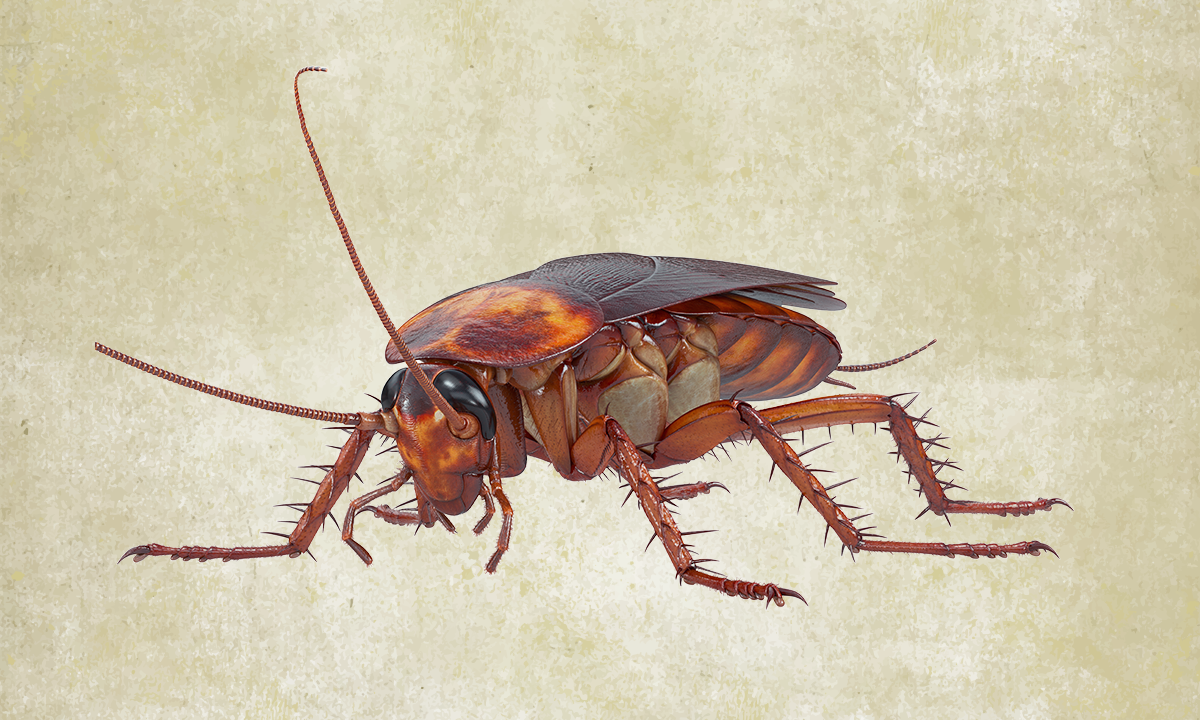
Consider the Cockroach
I love insects with a passion, but even I admit that cockroaches are a hard sell. They don’t pollinate our gardens, provide us with honey or act as colorful harbingers of spring. They enter our kitchens and eat our food. They routinely end up…
Continue Reading
-
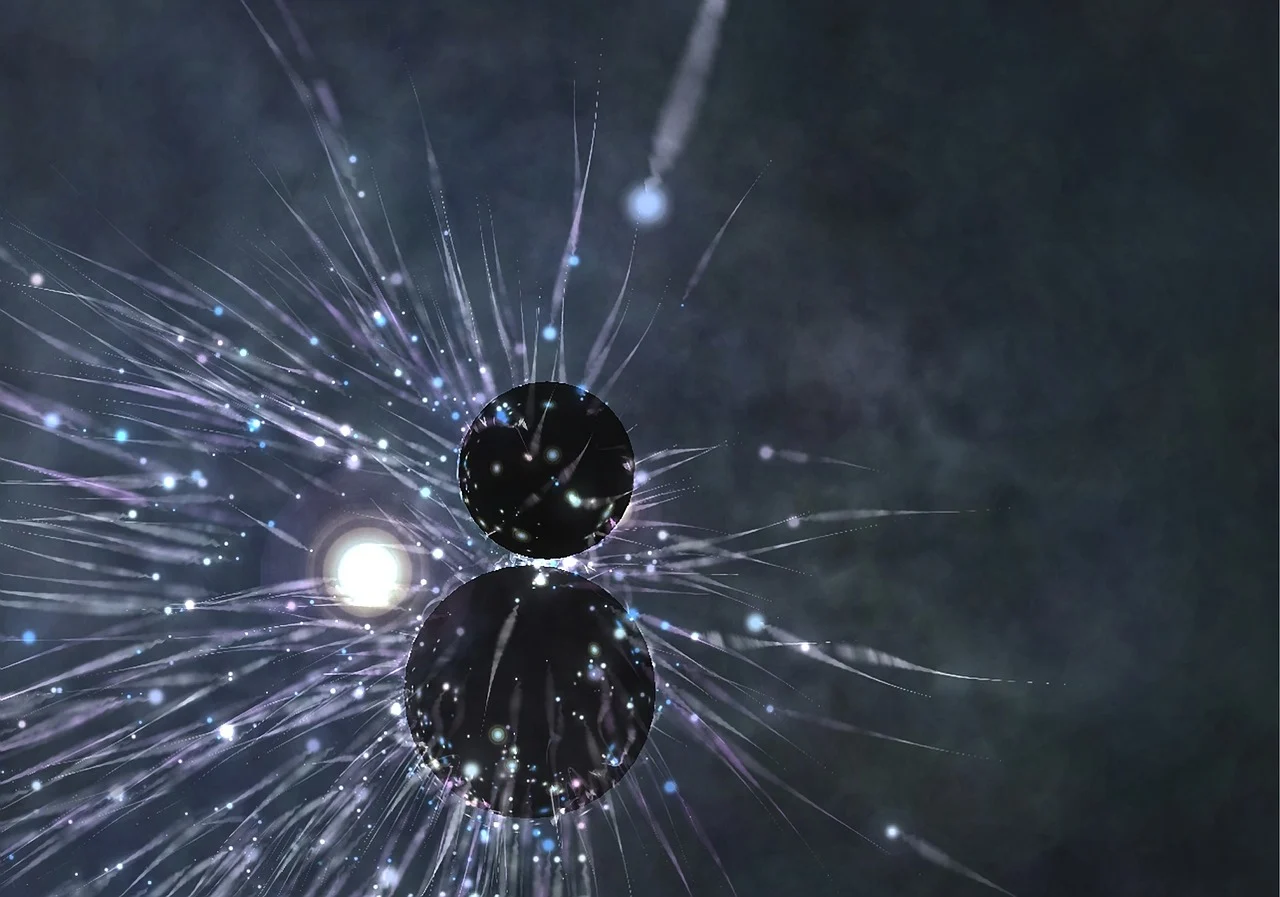
'Spiderman' cells trap viral genomes in their web
Scientists have discovered a defensive method of cells that resembles Spiderman shooting his web to ensnare enemies. These cells defend our bodies from the early stages of viral infection by synthesizing a sticky “web” to trap viral genomes. The…
Continue Reading
-

New rare bird species discovered in Japan
A previously unknown species of leaf warbler has been discovered in Japan. The Ijima’s Leaf Warbler has proven to be two different species, not just one. Every year, a few new bird species are identified around the world. The unusual aspect in…
Continue Reading
-
Engineered anhydrobiotic cells detect odors after years of dry, room-temperature storage
Demand for odor detection is growing in diverse fields such as food security, medical diagnostics, and environmental monitoring, but current technologies face limitations. Living cells with olfactory receptors can serve as sensitive odor…
Continue Reading
-
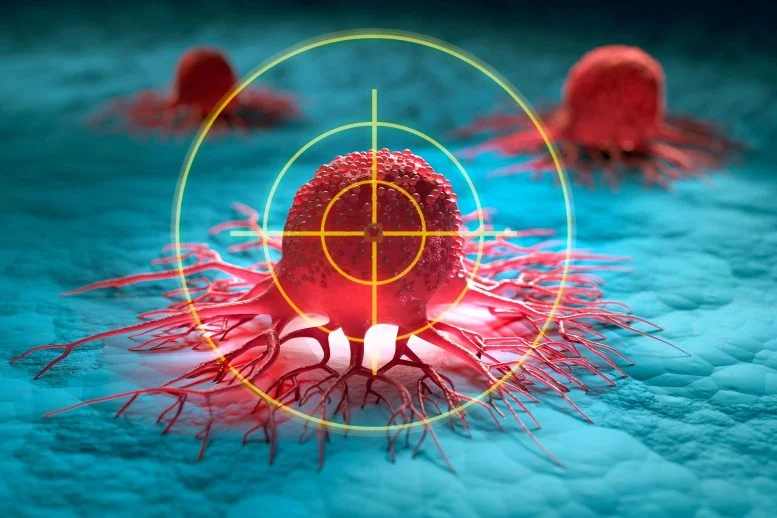
Scientists Turn Bacteria Into Tiny Tumor Hunters That Kill Cancer
Scientists turned bacteria into tumor-hunting drug factories—hinting at a bold new way to fight cancer. Millions of people worldwide are diagnosed with cancer each year, yet treating the disease remains challenging due to its complexity. New…
Continue Reading
-
Whales leave DNA 'footprints' across the ocean. Here's how we track them
The Mediterranean Sea is home to some of the ocean’s largest animals. Among the nine species of cetaceans commonly found along its western shores are the fin whale (Balaenoptera physalus, the world’s second-largest marine animal), and the sperm…
Continue Reading
-
Endangered smalltooth sawfish make a comeback in a historical Florida nursery
During the winters of 2024 and 2025, widespread “spinning fish” events swept through the Florida Keys, impacting more than 80 marine fish species and likely killing hundreds of endangered large juvenile and adult smalltooth sawfish (Pristis…
Continue Reading