
Proteins are the tiny machines that keep our cells running, and how long they last in the cell often determines how well they can do their job. One important part of a protein is its tail end, known as the C-terminus. Although this region may…
Category: 5. Biology
-

Diverse C-terminal variation rewires protein stability in health and disease
-
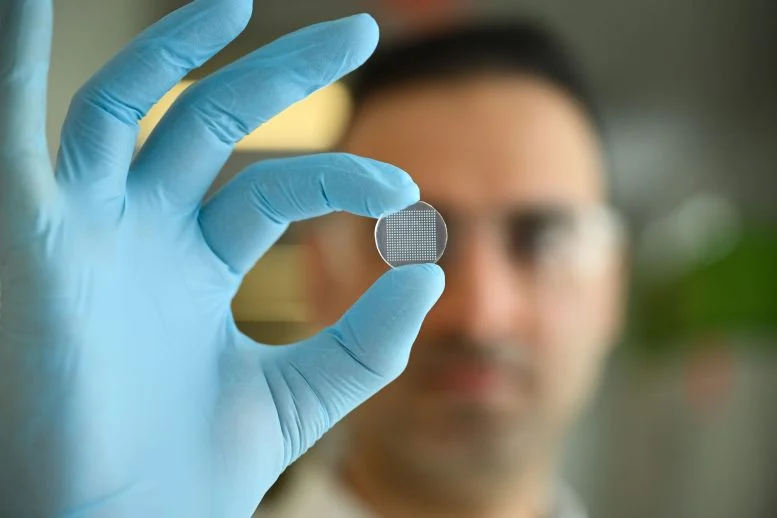
This Tiny Patch Could Transform How Doctors Study Aging, Infections, and Vaccines
A bandage-like microneedle patch can noninvasively collect immune cells and signals from the skin within minutes to hours. Early tests suggest it could transform how immune responses are monitored. Researchers at The Jackson Laboratory (JAX),…
Continue Reading
-

What makes a genus real? Scientists use tree bats to evaluate a testable '2 Sigma Genus Concept'
Dr. Amy Baird, Professor of Biology at the University of Houston-Downtown (UHD), and her colleagues are seeking to change the attitude of biologists toward the meaning of taxonomic categories above the species level with their paper “The 2 Sigma…
Continue Reading
-

Across Europe, warm-adapted plants spread as cold specialists retreat
An international study shows how climate change is reshaping plant communities across Europe. Published in Nature, the study analyzed a unique database of more than 6,000 vegetation plots across forests, grasslands and mountain summits in Europe,…
Continue Reading
-

Scientists Discover the Brain Chemical That Helps Break Old Habits
A mouse study highlights the role of acetylcholine in behavioral flexibility, offering new insight into the brain mechanisms involved in addiction and obsessive compulsive disorder. Adjusting how we act depending on the situation is essential in…
Continue Reading
-

Drought hits gulf fisheries, sparking food security fears
A severe and prolonged U.S. drought in the late 1980s played a central role in one of the largest fisheries declines ever recorded in the Gulf of Mexico, according to a new study published in Nature Communications.
Continue Reading
-
3D model predicts mosquito flight paths from sight and CO₂ cues
A mosquito finds its target with the help of certain cues in its environment, such as a person’s silhouette and the carbon dioxide they exhale. Now researchers at MIT and Georgia Tech have found that these visual and chemical cues help determine…
Continue Reading
-
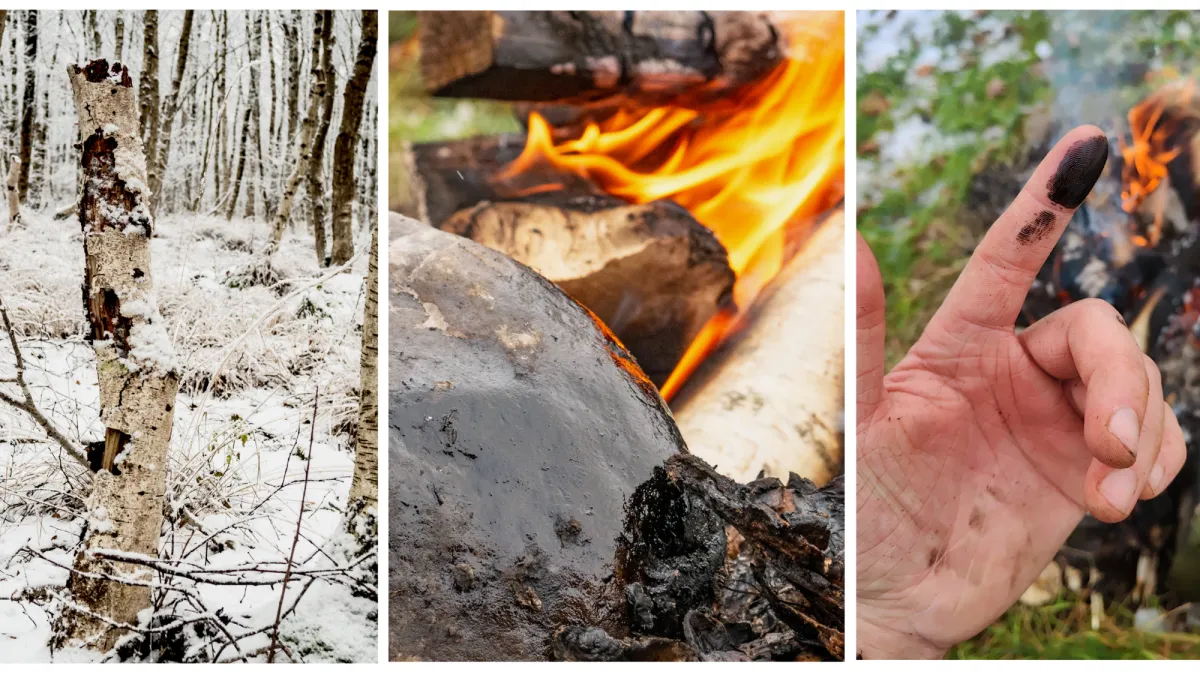
Neanderthals used antibiotics, new experiment suggests
Our ancient ancestors loved their birch tar. Neanderthals likely used the…
Continue Reading
-
Why heights and snakes still hit harder: Study tracks fear sweat in 119 people
Fear-eliciting images of modern and ancestral threats are equally likely to evoke physiological reactions, despite their distinct evolutionary origins, according to a study published in the open-access journal PLOS One by Eva Landová from…
Continue Reading
-
California's lead-ammo bans are working, but expanding condor ranges undercut gains
Recent data showing an increase in lead exposure and deaths among critically endangered California condors seems to fly in the face of decades of conservation measures, including bans on lead bullets and public-education campaigns about the…
Continue Reading