
The human gastrointestinal tract hosts trillions of microbes, many of which generate molecules that can have an affect on our health and well-being. Scientists have associated a wide variety of diseases with…
Category: 5. Biology
-
The Mechanism Behind a Common Virus is Revealed
Astroviruses may not be well known, but they are very common and are the leading cause of diarrhea in children. As many as 90% of children are thought to have had an astrovirus infection by the time they are…
Continue Reading
-

Humans Have Form of ‘Remote Touch,’ Scientists Claim
Humans possess the ability to sense objects without direct contact, a sense that some animals have, according to new research.
Chen et al. carried out two studies: the first, a human study assessing fingertip sensitivity to tactile cues from…
Continue Reading
-

This Bacterium Converts Trash to Energy
There is a lot of waste, especially organic waste, in the modern world. It’s been estimated that about one-third of all food that is produced for human consumption is wasted, and about 46% of all solid waste…
Continue Reading
-
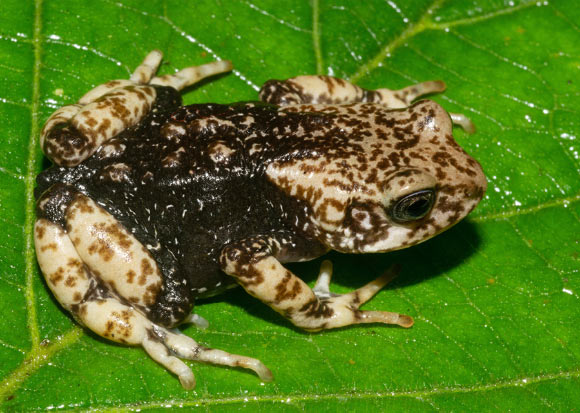
Three New Species of Viviparous Tree Toads Discovered in Tanzania
A research team led by University of Copenhagen scientists has described three new species of the tree toad genus Nectophrynoides from Tanzania’s Eastern Arc Mountains.
Nectophrynoides luhomeroensis, adult in life. Image credit: Thrane et…
Continue Reading
-
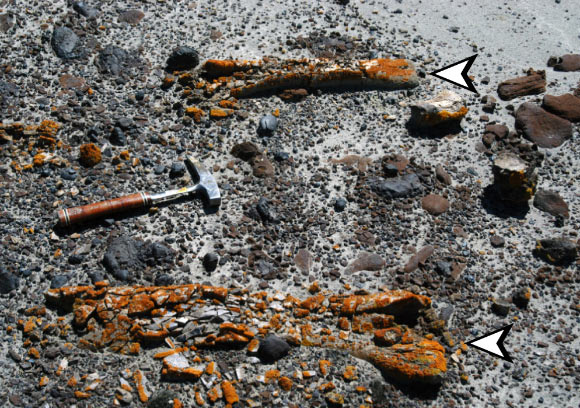
Orange-Colored Lichens Helping Paleontologists Discover Dinosaur Fossils
Lichens are symbioses between fungi and algae (and/or cyanobacteria) that play important ecological roles and colonize many substrates, including fossils. According to new research, they can serve as biological indicators of fossils in western…
Continue Reading
-
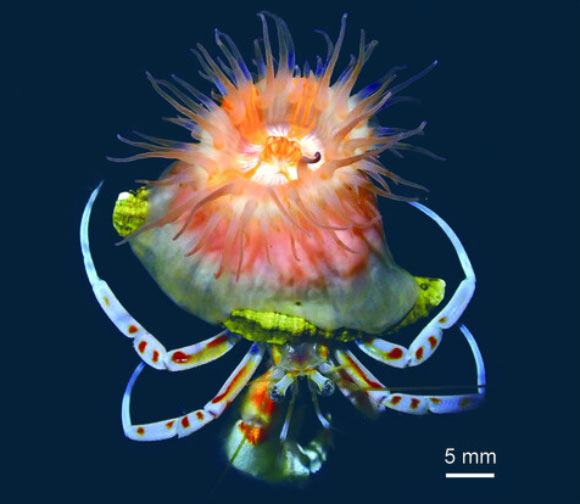
New Species of Shell-Forming Sea Anemone Discovered in Japanese Waters
The new species of hermit crab-associated sea anemone, Paracalliactis tsukisome, secretes and constructs a unique shell-like structure known as a carcinoecium, which expands the host hermit crab’s living space, according to a team of marine…
Continue Reading
-
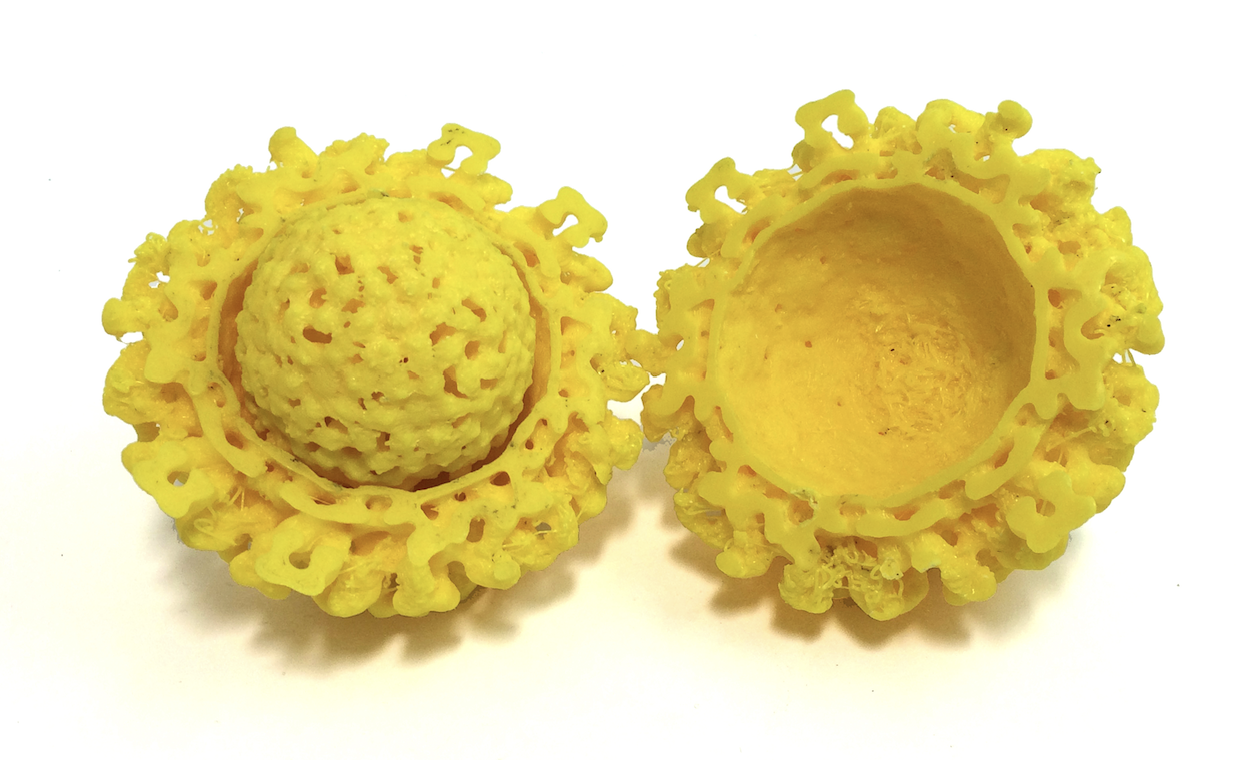
A Molecule in Mosquito Saliva Aids Chikungunya Infections
Chikungunya is a mosquito-borne virus that is transmitted by Aedes mosquitoes, typically on the South American continent, and other parts of Africa, Asia, Europe, and the Caribbean. However, there has been a…
Continue Reading
-

Is the Microbial Mystery of What Killed Napoleon I’s Army Solved?
Napoleon I led an army of around 550,000 soldiers to invade Russia in June 1812, and though they made it to Moscow, they did so without achieving a decisive victory. The army was faced with a destroyed city,…
Continue Reading
-
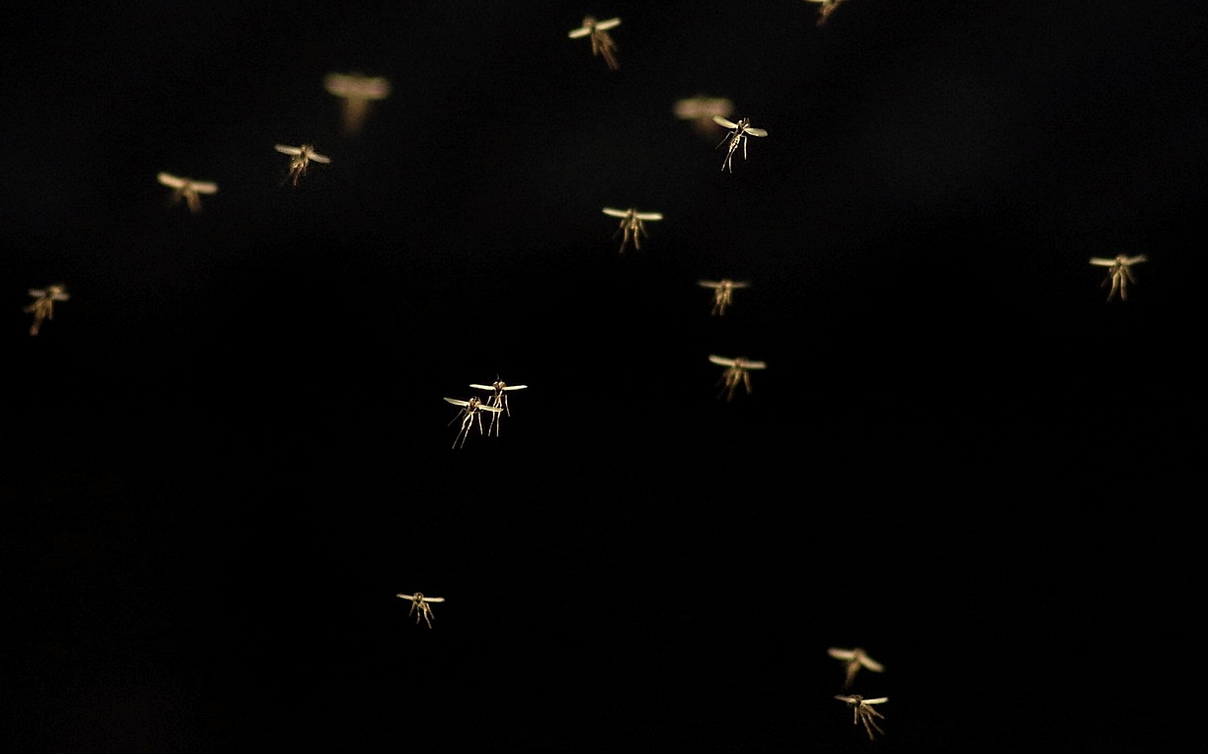
Scientists Create a Fungi That Destroys Mosquitoes
Mosquitoes spread many deadly diseases, including malaria, and scientists have long been searching for ways to treat or stop such diseases. However, preventing mosquito bites is still the best way to prevent…
Continue Reading