
Epstein, M. A., Achong, B. G. & Barr, Y. M. Virus particles in cultured lymphoblasts from Burkitt’s Lymphoma. Lancet 1, 702–703 (1964).
Damania, B., Kenney, S. C. & Raab-Traub, N….
Epstein, M. A., Achong, B. G. & Barr, Y. M. Virus particles in cultured lymphoblasts from Burkitt’s Lymphoma. Lancet 1, 702–703 (1964).
Damania, B., Kenney, S. C. & Raab-Traub, N….

The Galapagos Islands are famous for the discoveries that shaped Charles Darwin’s theory of evolution. Now an SFSU graduate has added one more: Ezra Mendales (M.S., ’23) describes a new species as part of his master’s thesis. “I feel super lucky…
Squirrels are usually willing to climb higher to reach their favorite foods, shows new research appearing in Animal Behaviour. Extensive lab studies have found that animals “devalue” rewards that cost extra time and effort—for example, by…
Fusarium head blight (FHB) is a destructive disease of wheat that can reduce grain yields and contaminate grain with toxins harmful to humans and livestock. The disease threatens wheat production worldwide and poses ongoing challenges for…

In a major advance applying insights from quantum physics to the inner workings of biology, a team of WashU researchers has successfully implanted quantum sensors in living cells to measure shifts in magnetism and temperature. The measurements…

The Hawaiian bobtail squid, a small, multi-colored native of coastal waters in Hawai’i, uses bioluminescence to camouflage itself and evade predators. However, the costume change is only possible through an exclusive symbiotic relationship with a…
“If it ain’t broke, don’t fix it,” goes the old adage, which Rice University professor James Chappell completely ignored in a recent Nature Communications publication. In the study, Chappell describes an innovation in plasmids, circular pieces of…
CRISPR is a powerful DNA-editing tool that has underpinned huge advancements in human health care in the last decade. It is a precision tool, but is not perfect, and misplaced DNA edits can compromise safety and efficacy, costing billions each…
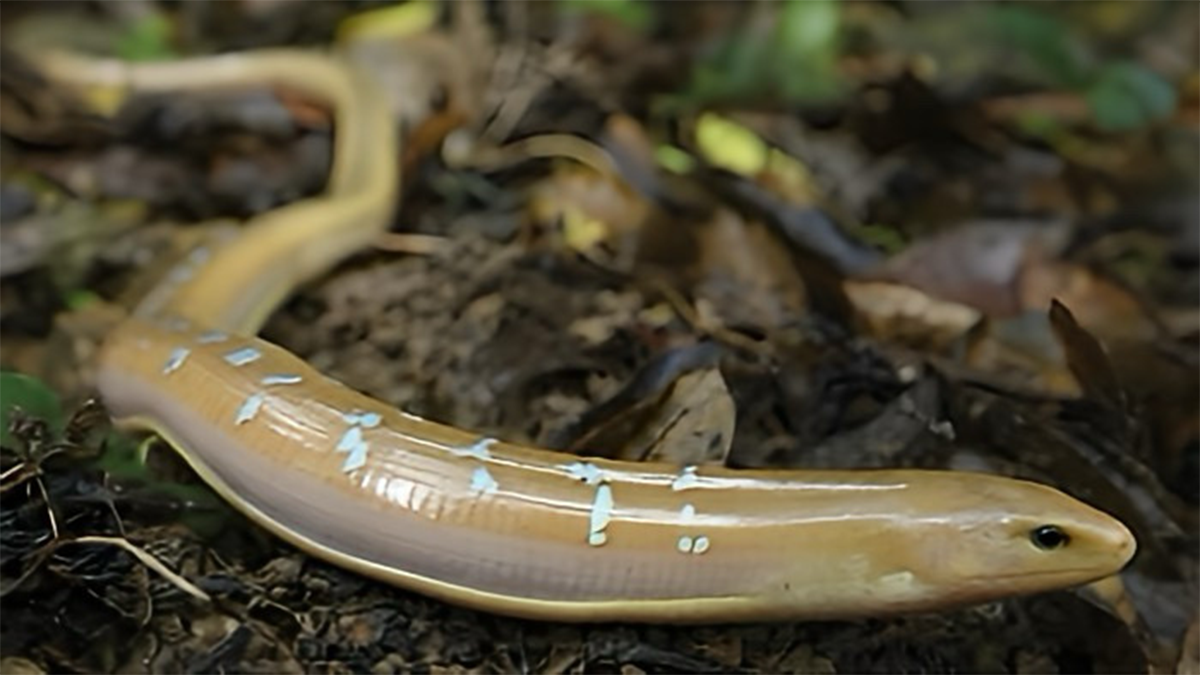
Slithering through the damp leaf litter, deep in the forests of Taiwan is an elusive creature that’s been causing confusion for decades—the Formosan legless lizard. Now, researchers are trying to set the record straight with a bit of
Beavers should be embraced as key allies in the fight against biodiversity loss according to scientists at the University of Stirling, after new research revealed the significant ecological benefits the animals bring to wetland habitats. Beaver…