
Measles Outbreaks in the US Continue to Grow
The US has recently added 53 more measles cases to the current total, largely fueled by outbreaks in 3 states. The Centers for Disease Control and Prevention…
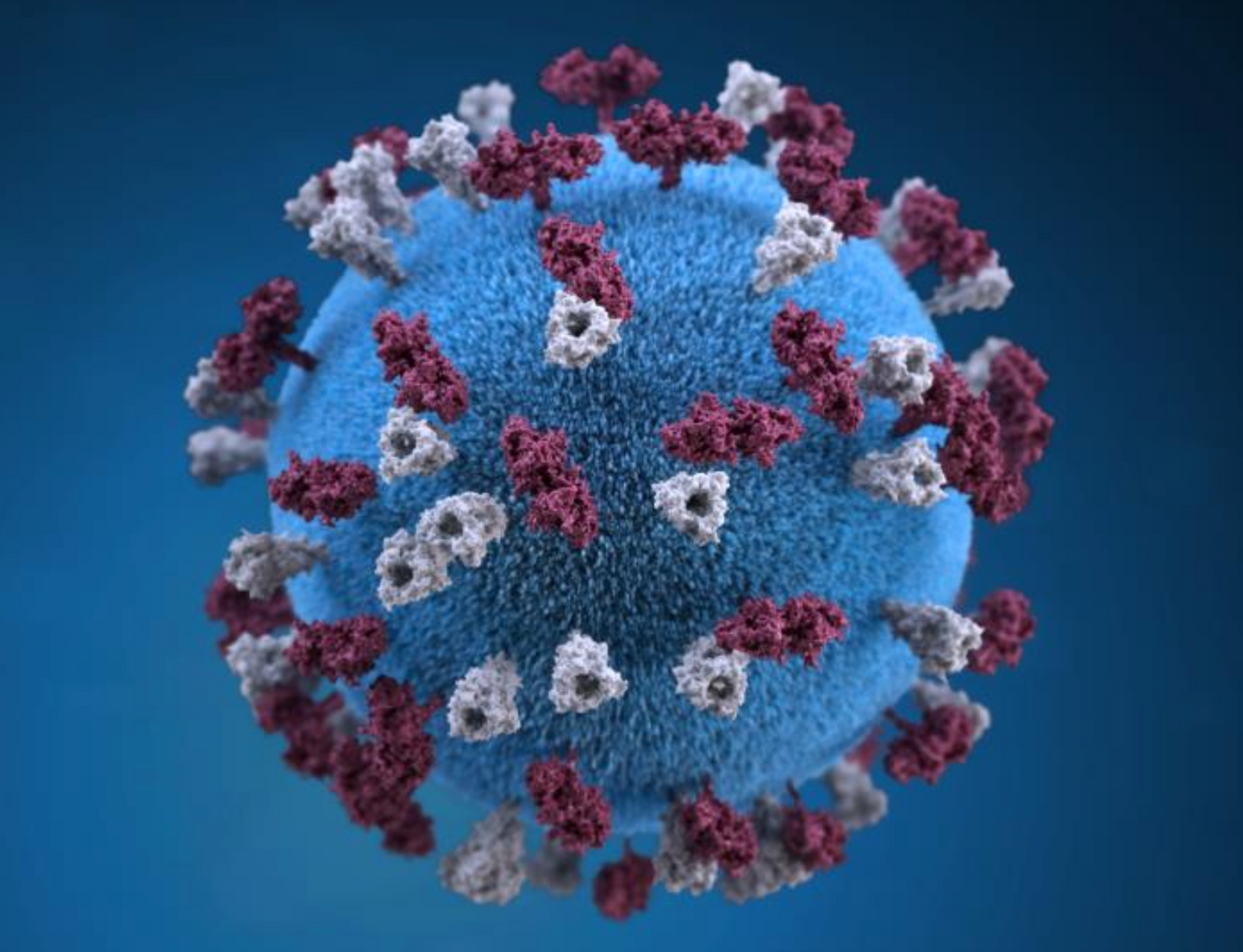
Measles Outbreaks in the US Continue to Grow
The US has recently added 53 more measles cases to the current total, largely fueled by outbreaks in 3 states. The Centers for Disease Control and Prevention…
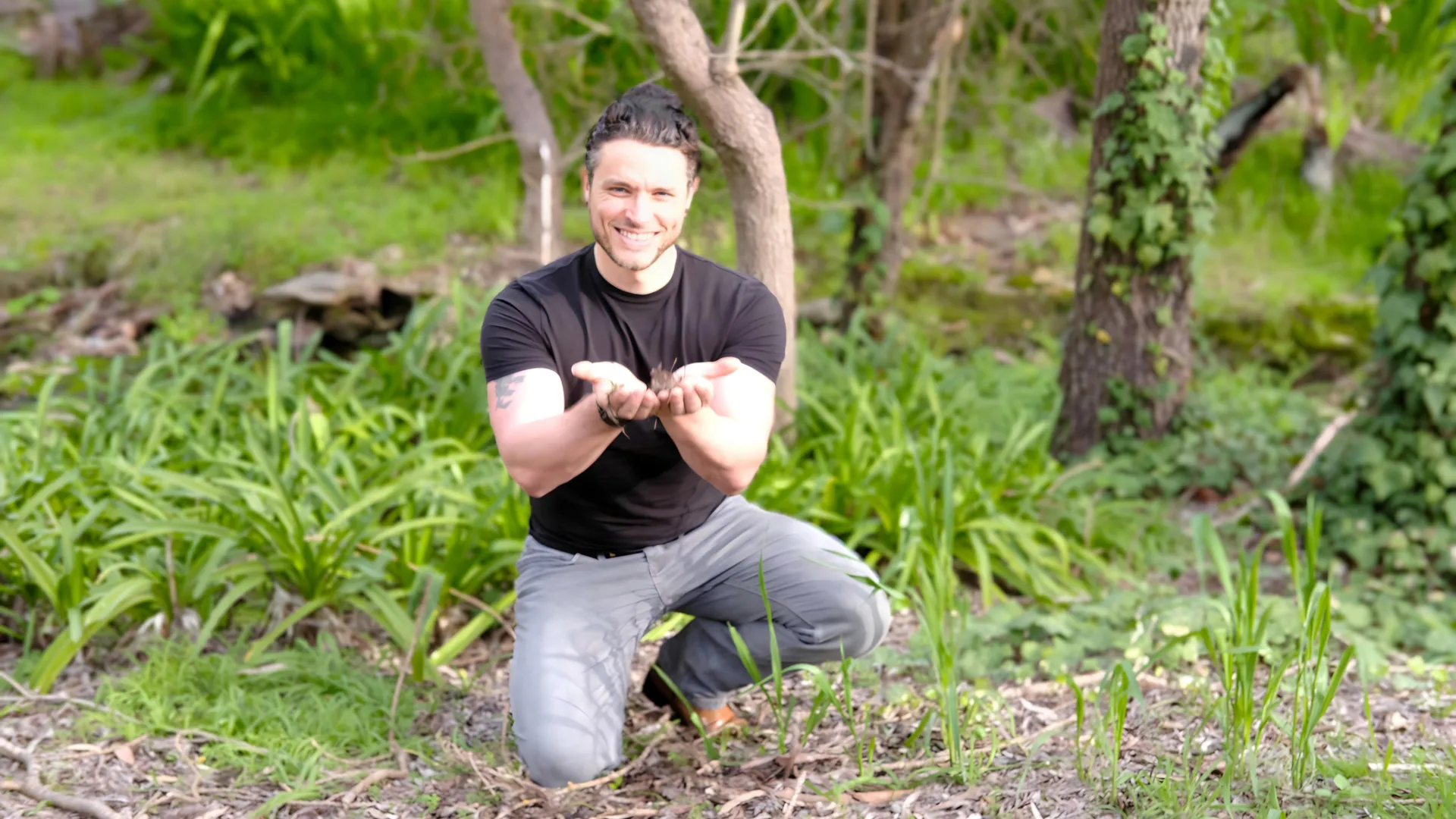
Viruses and bacteria are often viewed as harmful, but researchers at Flinders University are drawing attention to a lesser-known side of the microbial world. Their work highlights the important ways microbes can support human health, challenging…
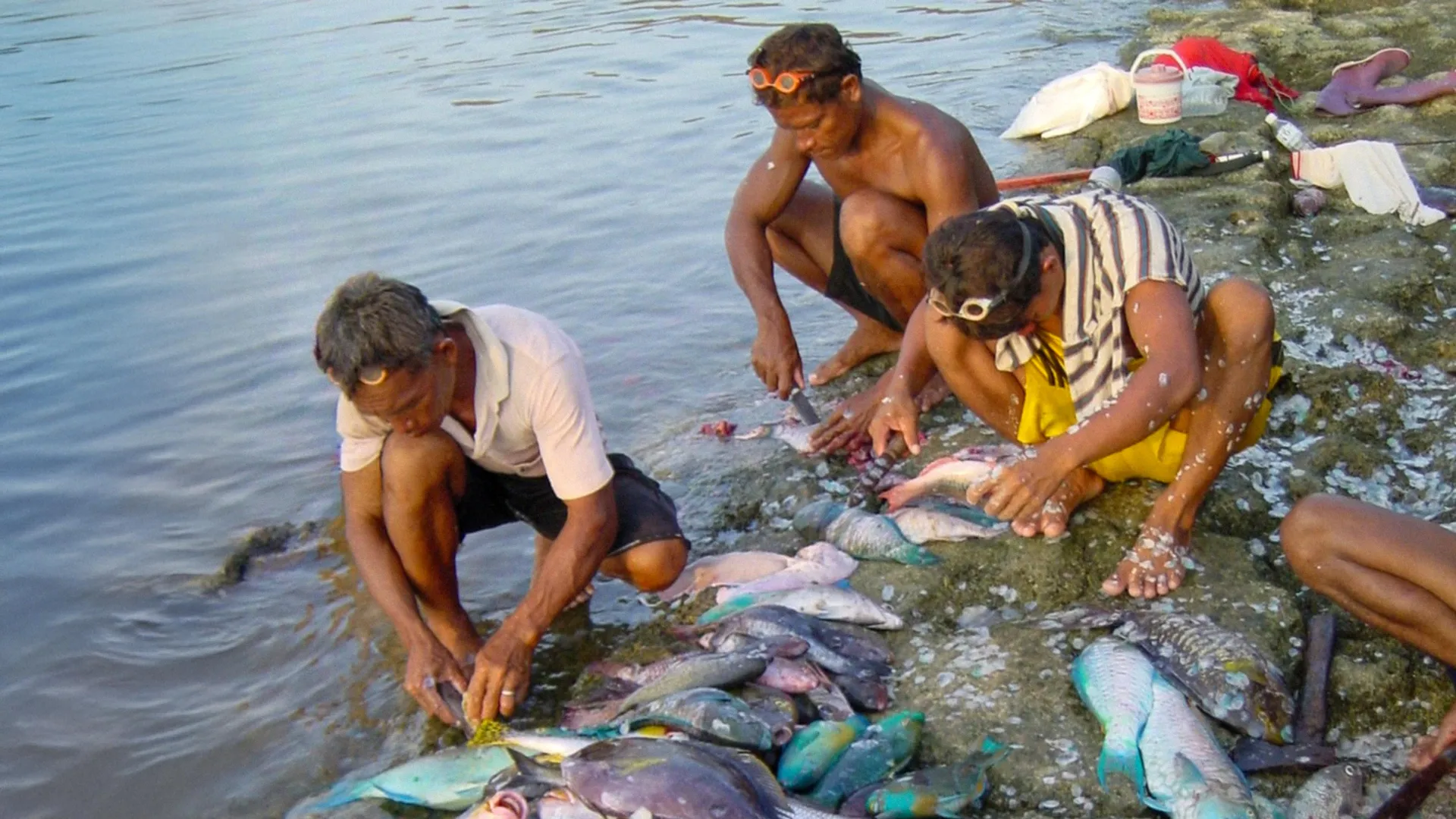
The world is now home to about 8.3 billion people, and millions still do not have enough nutritious food. As concerns about food security grow, scientists are looking beyond land for solutions. New research suggests the ocean could play a much…
Bray, F. et al. Global cancer statistics 2022: GLOBOCAN estimates of incidence and mortality worldwide for 36 cancers in 185 countries. CA Cancer J. Clin. https://doi.org/10.3322/caac.21834 (2024).

Scientists and physicians can better assess precision genome editing technology using a new method made public today by St. Jude Children’s Research Hospital. Significant amounts of time and resources spent improving CRISPR gene editing…

A new study reveals that bacteria can survive antibiotic treatment through two fundamentally different “shutdown modes,” not just the classic idea of dormancy. The paper is published in the journal Science Advances.
Angiosperms, also known as flowering plants, represent the most diverse group of seed plants, and their origin and evolution have long been a central question in plant evolutionary biology. Whole-genome duplication (WGD), or polyploidization, is…
In recent decades, scientists have debated whether a seven-million-year-old fossil was bipedal—a trait that would make it the oldest human ancestor. A new analysis by a team of anthropologists offers powerful evidence that Sahelanthropus…
The protein p53, best known as the “guardian of the genome” for its role in preventing cancer, can affect blood vessels in different ways. However, it has not been clear how p53 can slow blood vessel growth in some cases and damage blood vessels…
Antarctic icefish are famous for living without red blood cells, but they are not alone. A species of needle-shaped, warm-water fish called the Asian noodlefish also lacks hemoglobin and red blood cells. Like icefish, its veins are filled with…