
Rutgers University marine scientists are using New Jersey-developed tools to measure how iron shortages in Southern Ocean phytoplankton reduce photosynthetic efficiency and slow the conversion of light into oxygen. With your next breath, remember…
Category: 5. Biology
-

The Oxygen You’re Breathing May Depend on Iron Dust Falling Into the Ocean
-
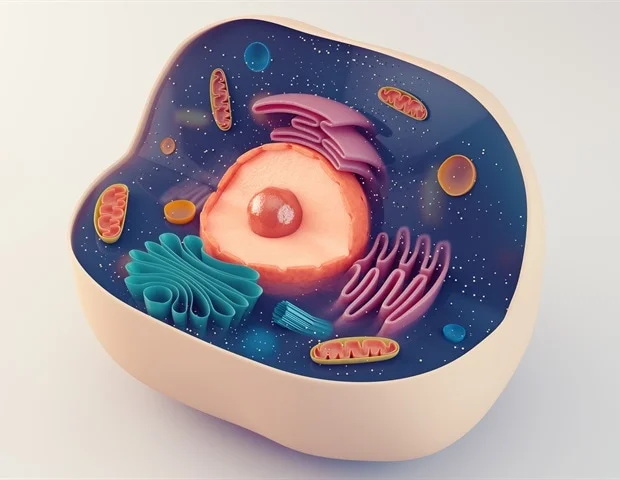
Newly discovered molecules accelerate the removal of immune-modulating enzyme
Cells have a remarkable housekeeping system: proteins that are no longer needed, defective, or potentially harmful are labeled with a molecular “tag” and dismantled in the cellular recycling machinery. This process, known as the…
Continue Reading
-

Language shapes visual processing in both human brains and AI models, study finds
Neuroscientists have been trying to understand how the brain processes visual information for over a century. The development of computational models inspired by the brain’s layered organization, also known as deep neural networks (DNNs), have…
Continue Reading
-
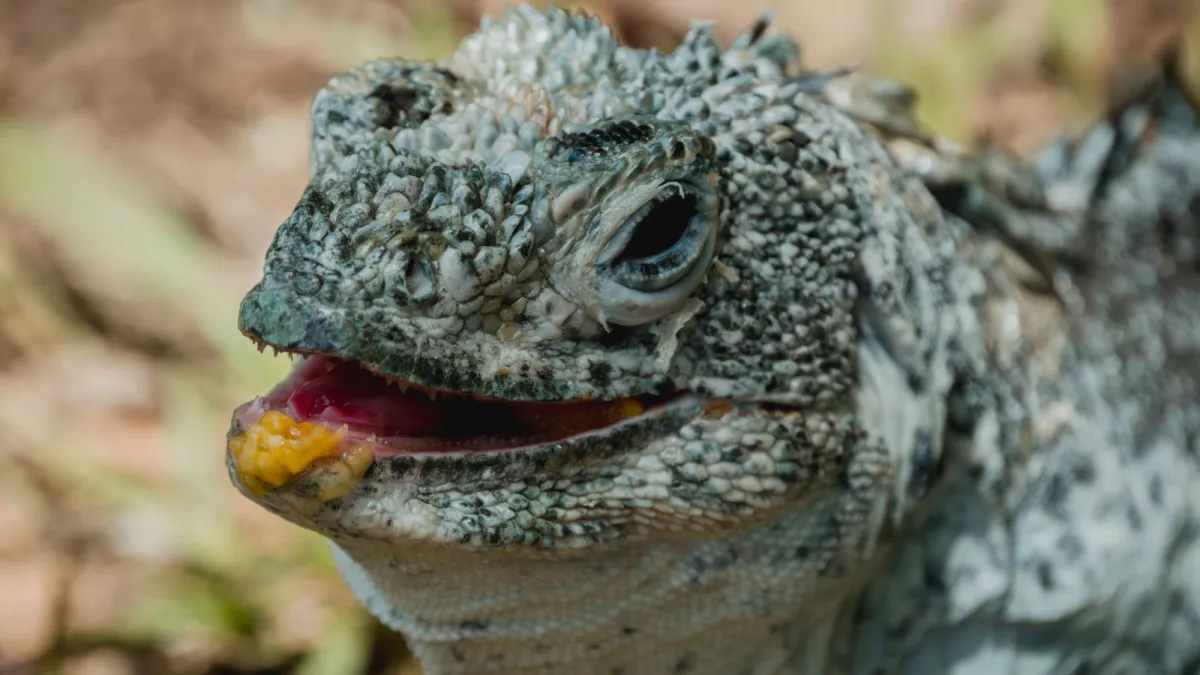
10 vulnerable wildlife species to watch in 2026
With the turning of the calendar comes a new year and new vulnerable endangered…
Continue Reading
-
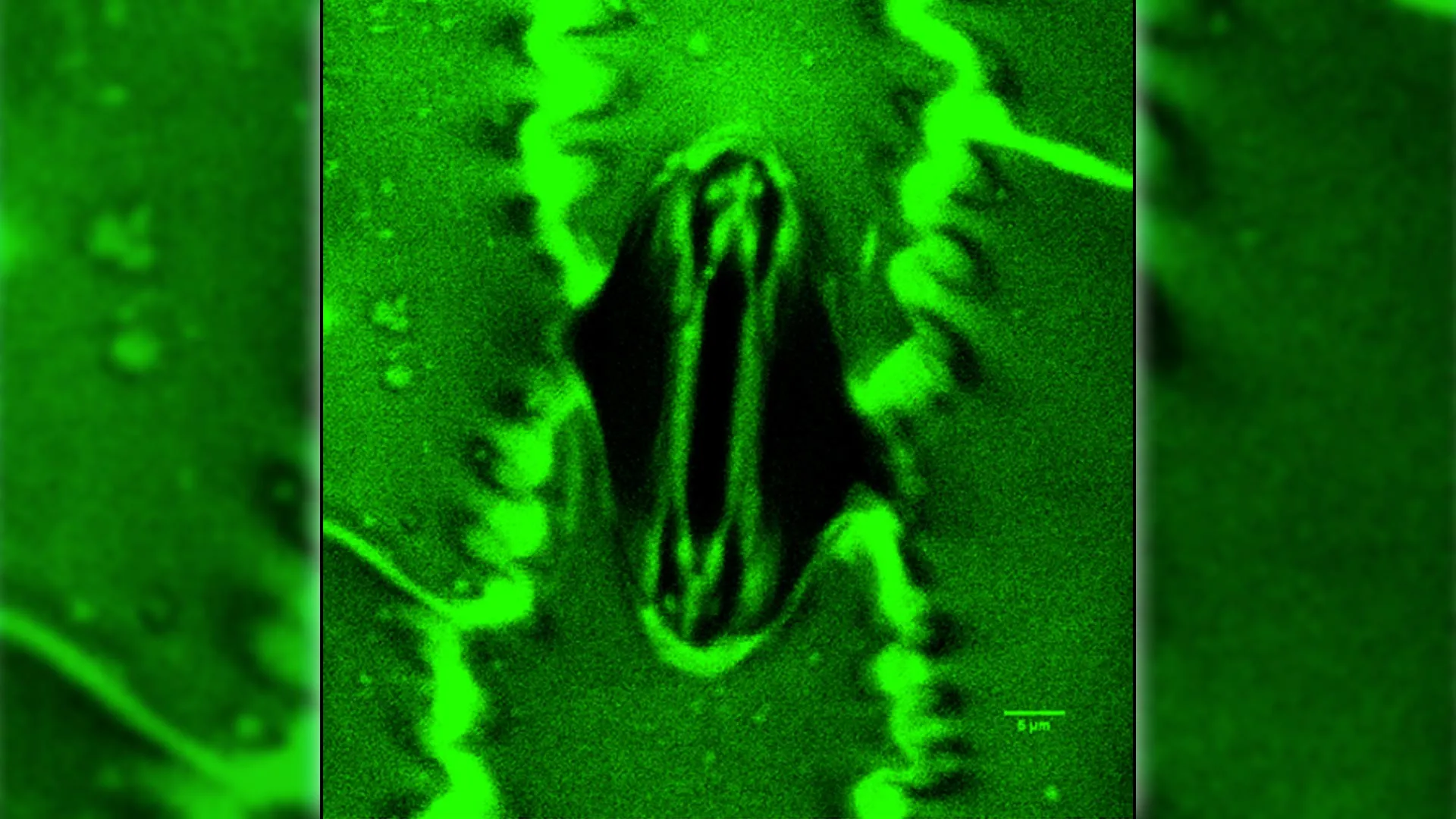
Breakthrough lets scientists watch plants breathe in real time
Scientists have long understood that plants take in air through tiny openings on their leaves known as stomata. These microscopic pores act like adjustable valves, letting carbon dioxide enter the leaf for photosynthesis while allowing water…
Continue Reading
-

Silybin and Carvedilol Combo Shows Promise in Liver Fibrosis
A combination of silybin and carvedilol is more effective than either drug alone for treating liver fibrosis, found a new study published in Targetome.
Liver fibrosis is a chronic and multifactorial liver…
Continue Reading
-

Environmentalists sue feds to protect 'prehistoric' crabs that frequent South Carolina coast
Environmentalists are suing the federal government over what they say is a failure to protect the horseshoe crab, a prehistoric-looking species that is important to the survival of shore birds in South Carolina and other coastal states.
Continue Reading
-
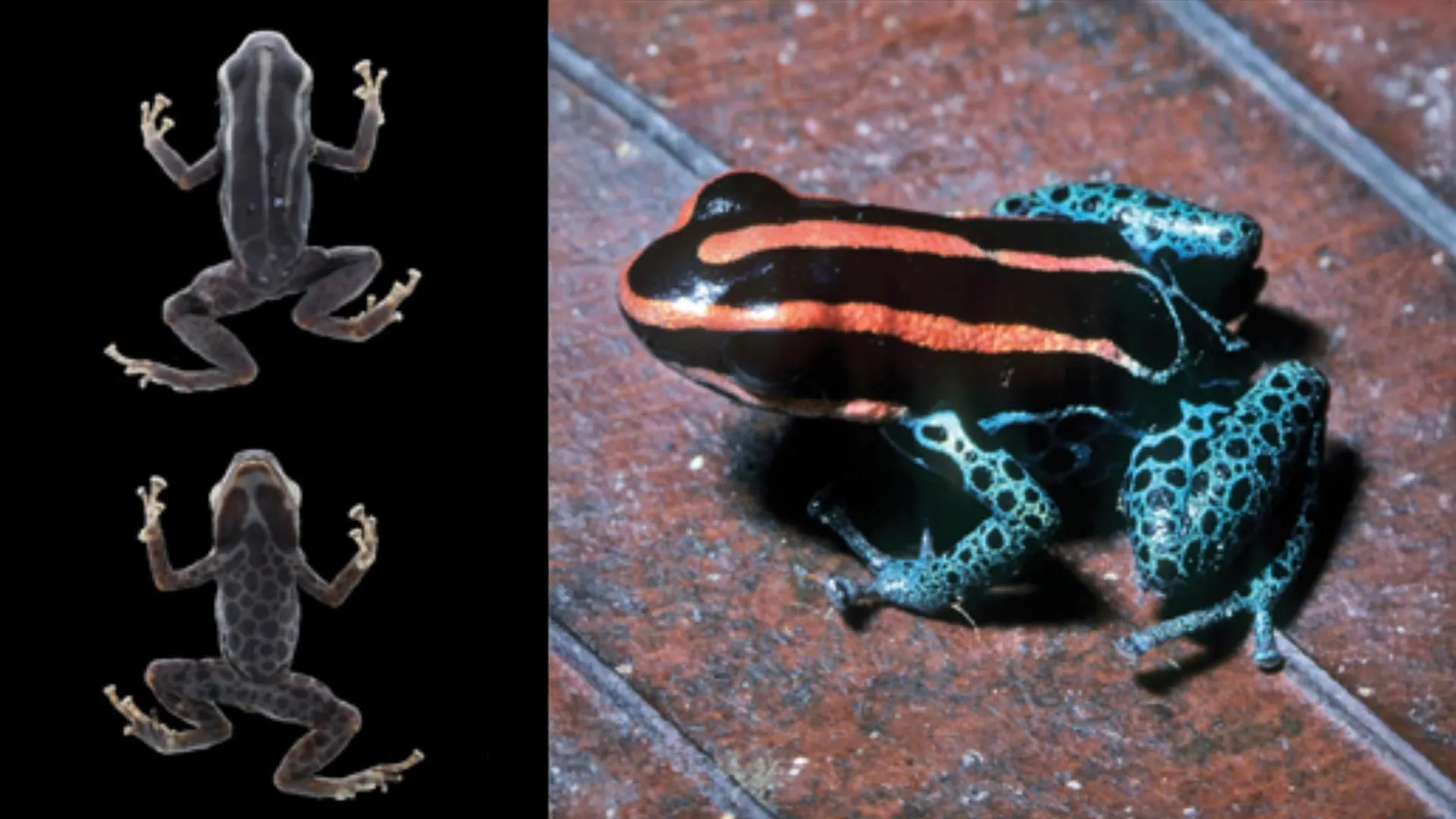
The poison frog that fooled scientists for decades
Scientists at the University of Kansas Biodiversity Institute and Natural History Museum recently uncovered a mistake that dates back decades involving a poison frog specimen from Peru. The frog had been incorrectly identified and designated as a…
Continue Reading
-
Optical genome mapping as a high-resolution tool for uncovering cytogenetic complex and cryptic alterations in a cohort of patients with MDS and AML
Hellström-Lindberg, E., Tobiasson, M. & Greenberg, P. Myelodysplastic syndromes: moving towards personalized management. Haematologica 105, 1765–1779 (2020).
Boscaro, E. et al. Modern risk…
Continue Reading
-
6-Gingerol alleviates high glucose-induced inflammation and cytotoxicity in THP-1 cells by inhibiting TLR4 signaling
Ma, X. et al. Excessive intake of sugar: An accomplice of inflammation. Front. Immunol. 13, 988481 (2022).
Srour, B. et al. Ultra-processed foods and human health: From epidemiological evidence…
Continue Reading