
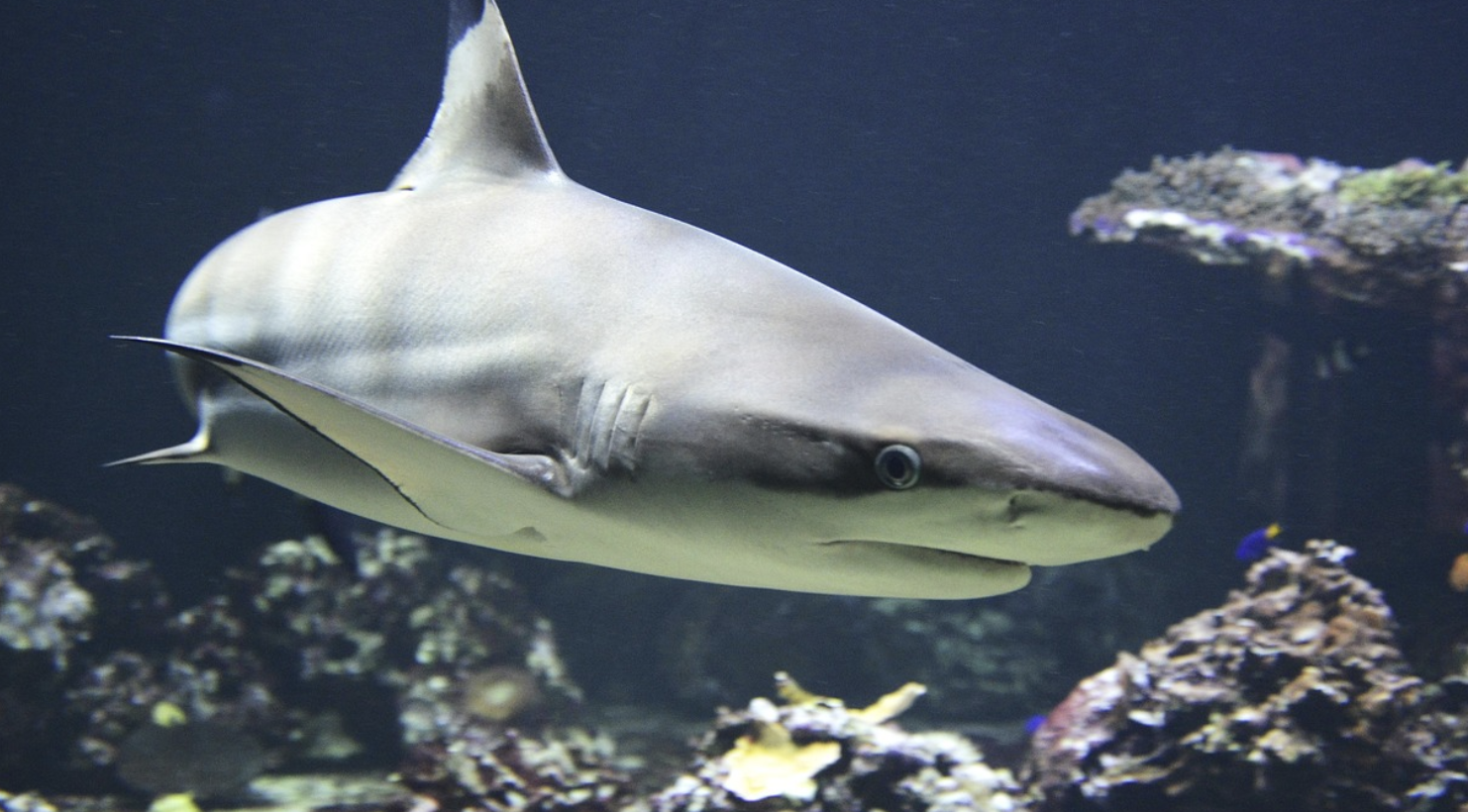
Greenland sharks are the longest-living vertebrates in the world with lifespans that can reach as much as 400 years, and a look into their dead eyes might suggest that they cannot see. Researchers have long…
Category: 5. Biology
-

A new AI tool could dramatically speed up the discovery of life-saving medicines
Researchers in China have unveiled a new AI framework that could accelerate the discovery of new medicines. DrugCLIP can scan millions of potential drug compounds against thousands of protein targets in just a few hours—ten million times faster…
Continue Reading
-
Evidence shows cross-regional marine plastic pollution in green sea turtles
Researchers examined the diet and plastic ingestion of green sea turtles inhabiting waters around the Ogasawara Islands, Japan, and detected plastics in 7 of the 10 individuals studied. By integrating genetic, isotopic, and plastic analyses, they…
Continue Reading
-
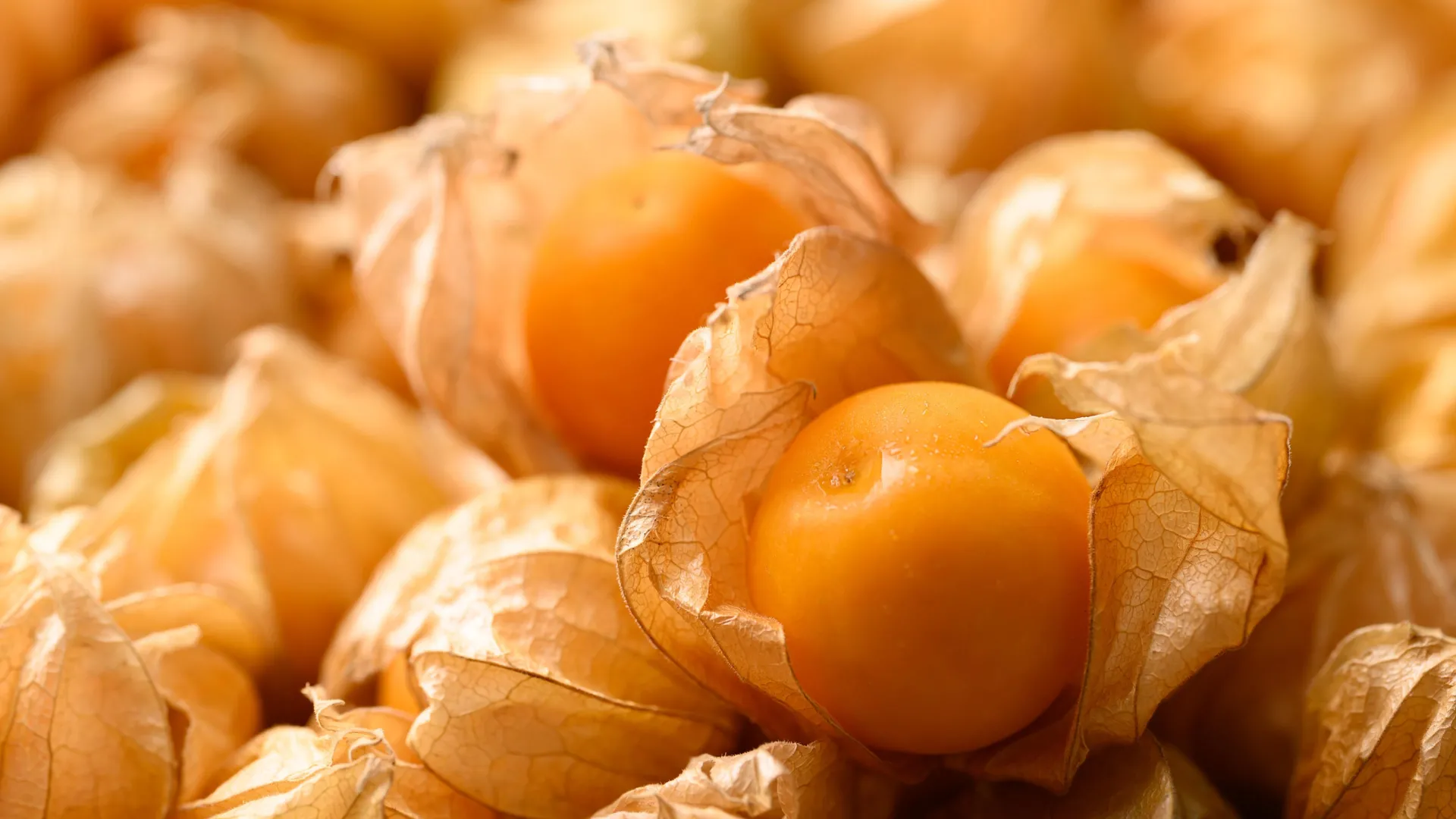
This wild fruit is getting a CRISPR makeover
For roughly 10,000 years, farming communities have improved their crops by saving seeds from plants with the best flavor, size, and toughness. This slow and careful process shaped nearly every fruit and vegetable found in grocery stores today….
Continue Reading
-
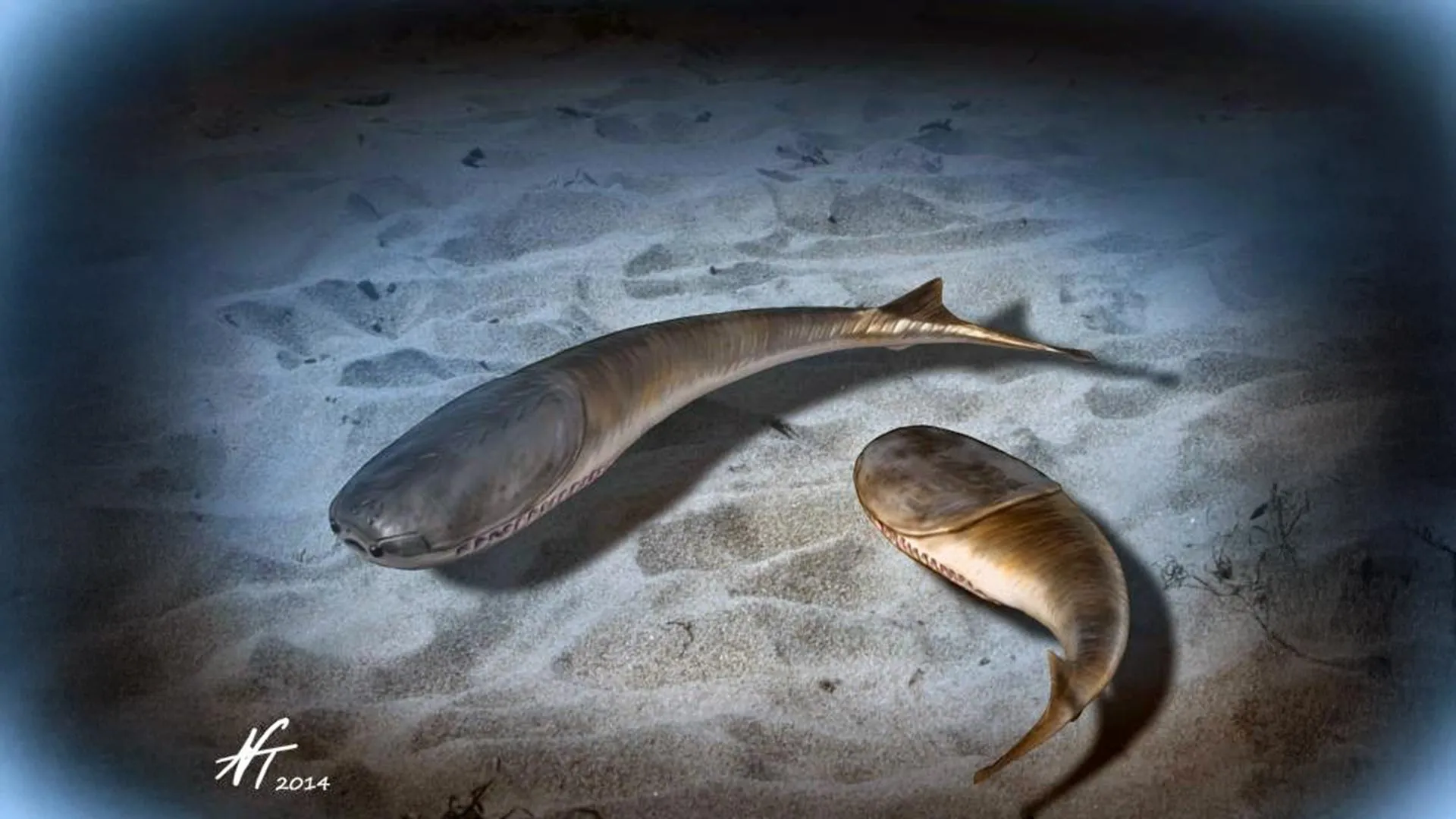
When the oceans died and life changed forever
Around 445 million years ago, Earth underwent a dramatic transformation that reshaped the future of life. In a remarkably short geological period, massive glaciers spread across the southern supercontinent Gondwana. As ice locked up water, vast…
Continue Reading
-
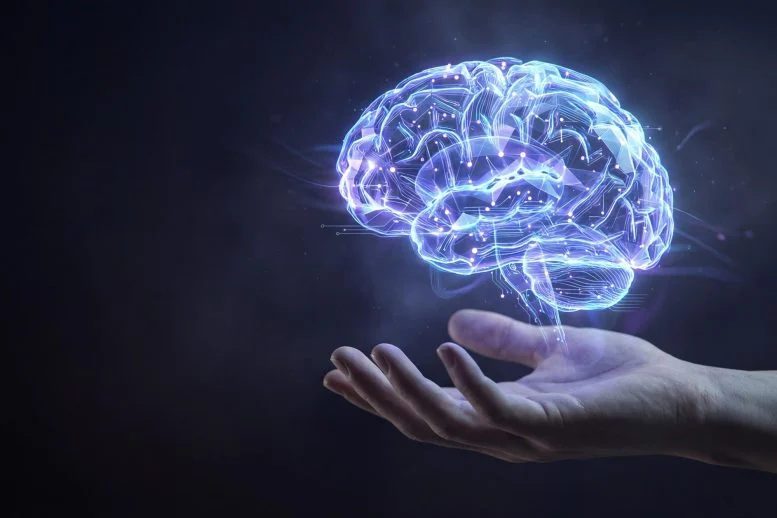
Rewriting the Rules: Scientists Solve an Episodic Memory Mystery
A new study shows that the human brain stores what we remember and the context in which it happens using different neurons. The brain has to do more than store what happened. It also needs to keep track of the circumstances in which an event took…
Continue Reading
-
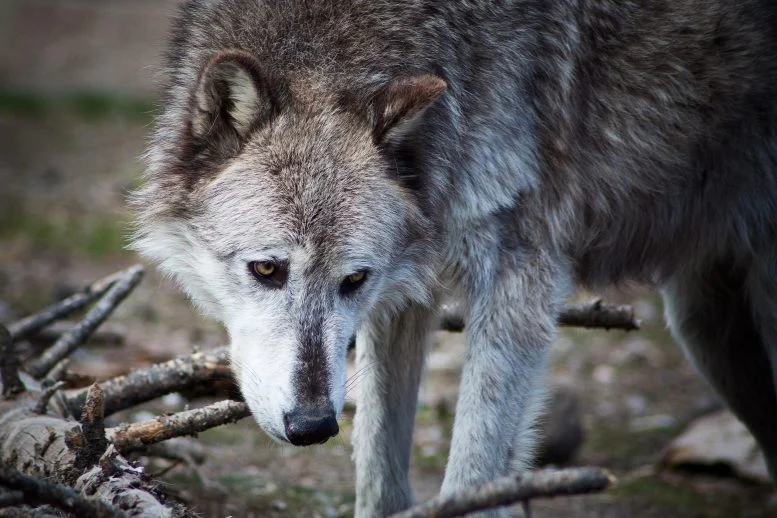
Did Wolves Really Transform Yellowstone? New Analysis Says No
A new peer-reviewed study reports that claims of a “world-leading” trophic cascade in Yellowstone National Park are not supported, citing problems with the methods used in earlier research. A newly published peer-reviewed analysis questions…
Continue Reading
-
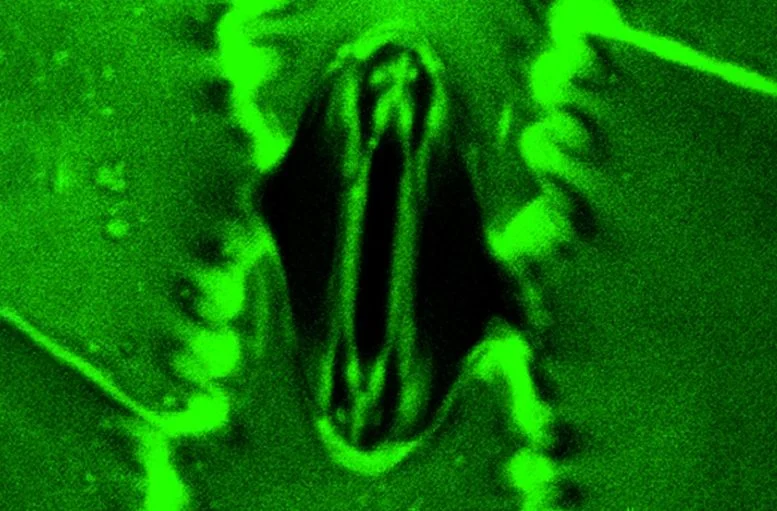
Scientists Can Now Watch Plants “Breathe” in Real Time
Plants constantly balance taking in carbon dioxide with losing water through microscopic leaf pores, but watching this process unfold has long been a challenge. For hundreds of years, scientists have understood that plants exchange gases with the…
Continue Reading
-

Recommendations for reintroducing charophytes for better water quality and biodiversity in lakes
Charophytes are extremely beneficial to lakes, improving water quality and biodiversity. However, their abundance was found to decline in many lakes without clear signs of eutrophication during recent decades.
Continue Reading
-
Q&A: What do scientists need to learn next about blocking enzymes to treat disease?
Enzymes are the molecular machines that power life; they build and break down molecules, copy DNA, digest food, and drive virtually every chemical reaction in our cells. For decades, scientists have designed drugs to slow down or block enzymes,…
Continue Reading