
The woolly rhino, Coelodonta antiquitatis, would have been an impressive sight to the ancient people who painted images of them on cave walls and carved figurines of them out of bone, antler, ivory and wood.
Category: 5. Biology
-

DNA from wolf pup's last meal reveals new facts about woolly rhino's extinction
-
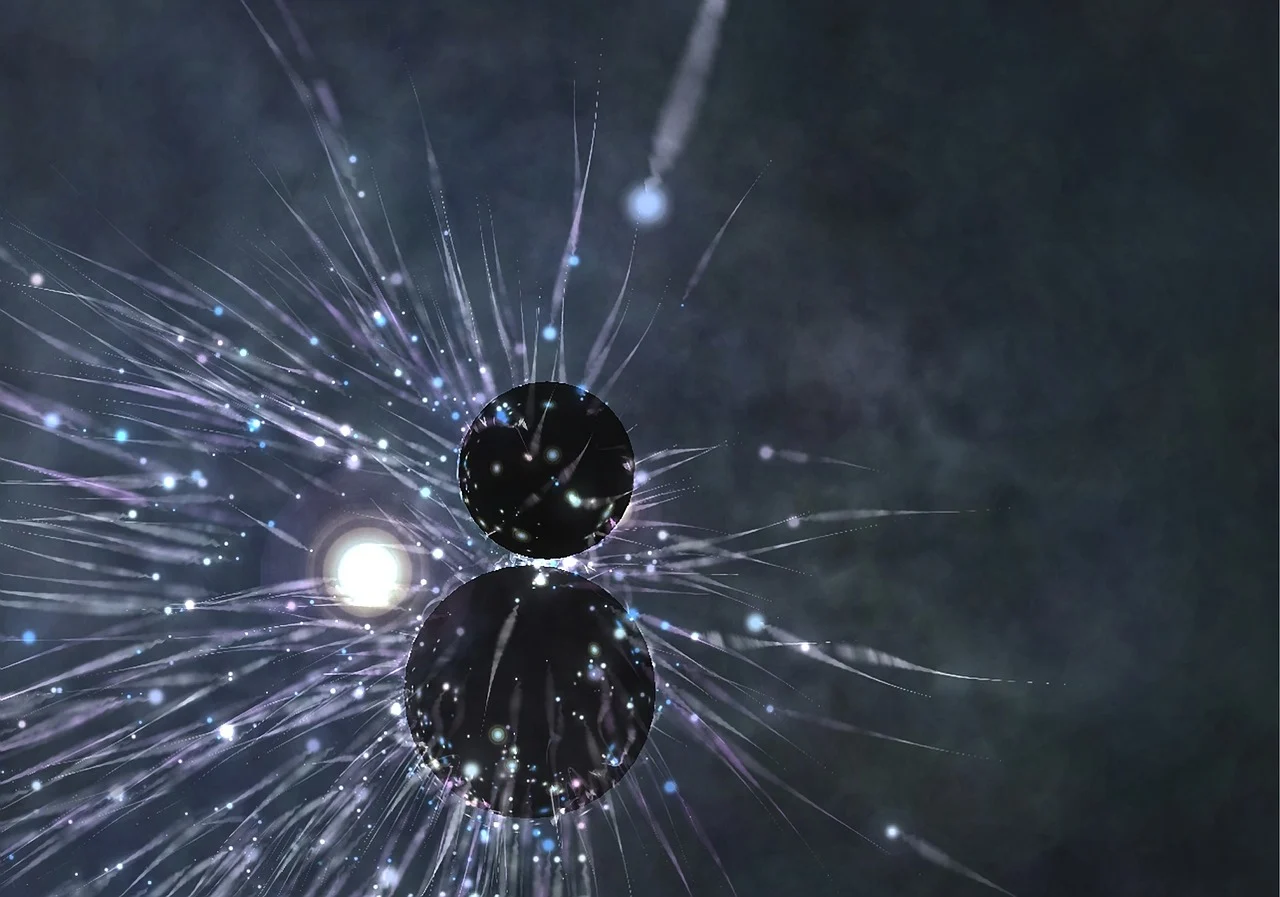
How small mammals shrink their brains to survive the cold
An international team of researchers, with the involvement of the UAB, has conducted a study that explains the evolutionary origins of the Dehnel phenomenon, a unique seasonal adaptation in small mammals that involves the ability to reduce and…
Continue Reading
-

Flowers shape the spread of viruses among wild bees, study finds
A recent study shows that viruses in wild bees are closely linked to the flowers they visit and the availability of floral resources across the landscape. Researchers found that certain floral communities increase the likelihood of virus…
Continue Reading
-

The sky's hidden ecosystem: Radar reveals an organized, living habitat
When people think about habitats on Earth, they likely picture forests, oceans or grasslands. Few think to look up. Yet the lower atmosphere, or troposphere, may be the largest habitat on the planet. A new study published in Ecology argues that…
Continue Reading
-
Same moves, different terrain: How bacteria navigate complex environments without changing their playbook
Just like every other creature, bacteria have evolved creative ways of getting around. Sometimes this is easy, like swimming in open water, but navigating more confined spaces poses different challenges.
Continue Reading
-
How cholera virulence is activated: A long-sought structural explanation
Cholera remains a major global public health challenge, with an estimated 1.3 to 4 million cases and tens of thousands of deaths reported worldwide each year. Caused by the bacterium Vibrio cholerae, the disease spreads primarily through…
Continue Reading
-
Mummified cheetahs discovery gives hope for species' Arabic reintroduction
The discovery of seven naturally-mummified cheetahs (Acinonyx jubatus) in caves in northern Saudi Arabia reveals that at least two subspecies of the endangered cats inhabited the Arabian Peninsula before their local extinction. The findings,…
Continue Reading
-
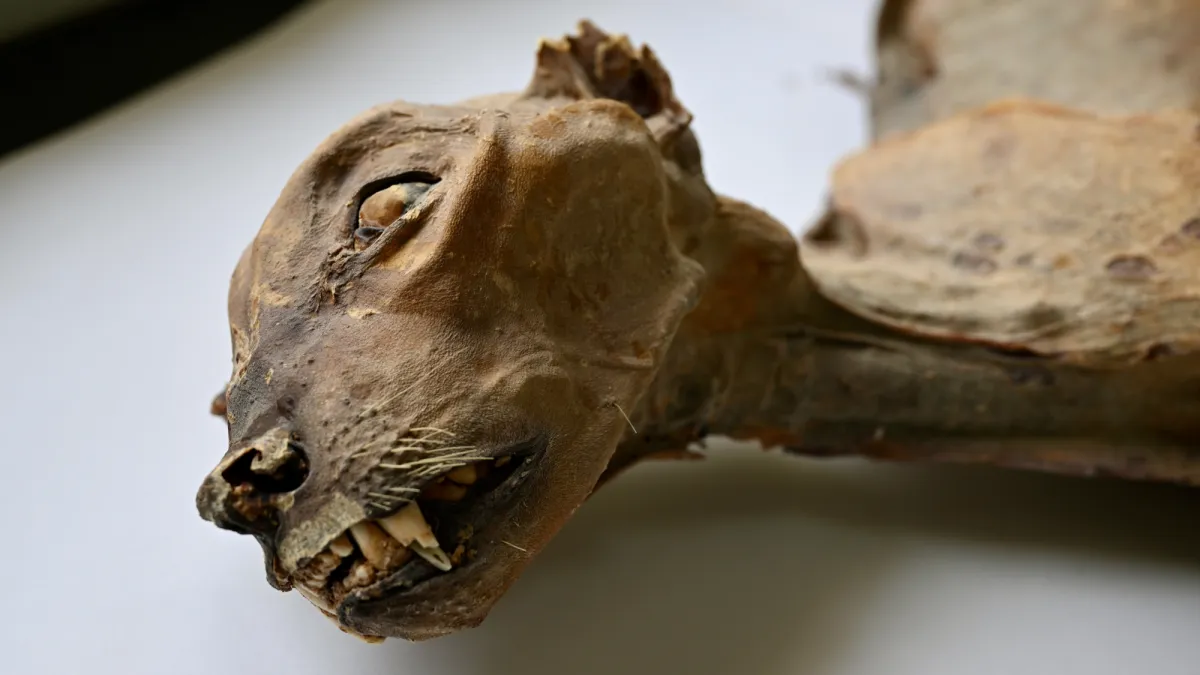
Mummified cheetahs could help save the critically endangered big cats
Seven naturally-mummified cheetahs are more than just an exciting…
Continue Reading
-
How cells stay healthy: New insights into a selective protein cleanup system
To stay healthy, our cells rely on a self-cleaning mechanism that removes defective or unnecessary components. This process, known as autophagy, has been linked not only to cellular maintenance but also to various diseases and aging.
Continue Reading
-

Horses Can Smell How You’re Feeling
Explore
If you’ve been lucky enough to meet a friendly horse, then you know they lead…
Continue Reading