
Every time our body encounters a new disease-causing agent, a crucial defense system called adaptive immunity comes into play. T cells, the top agents in this system, survey the internal environment of infected cells and start eliminating the…
Category: 5. Biology
-
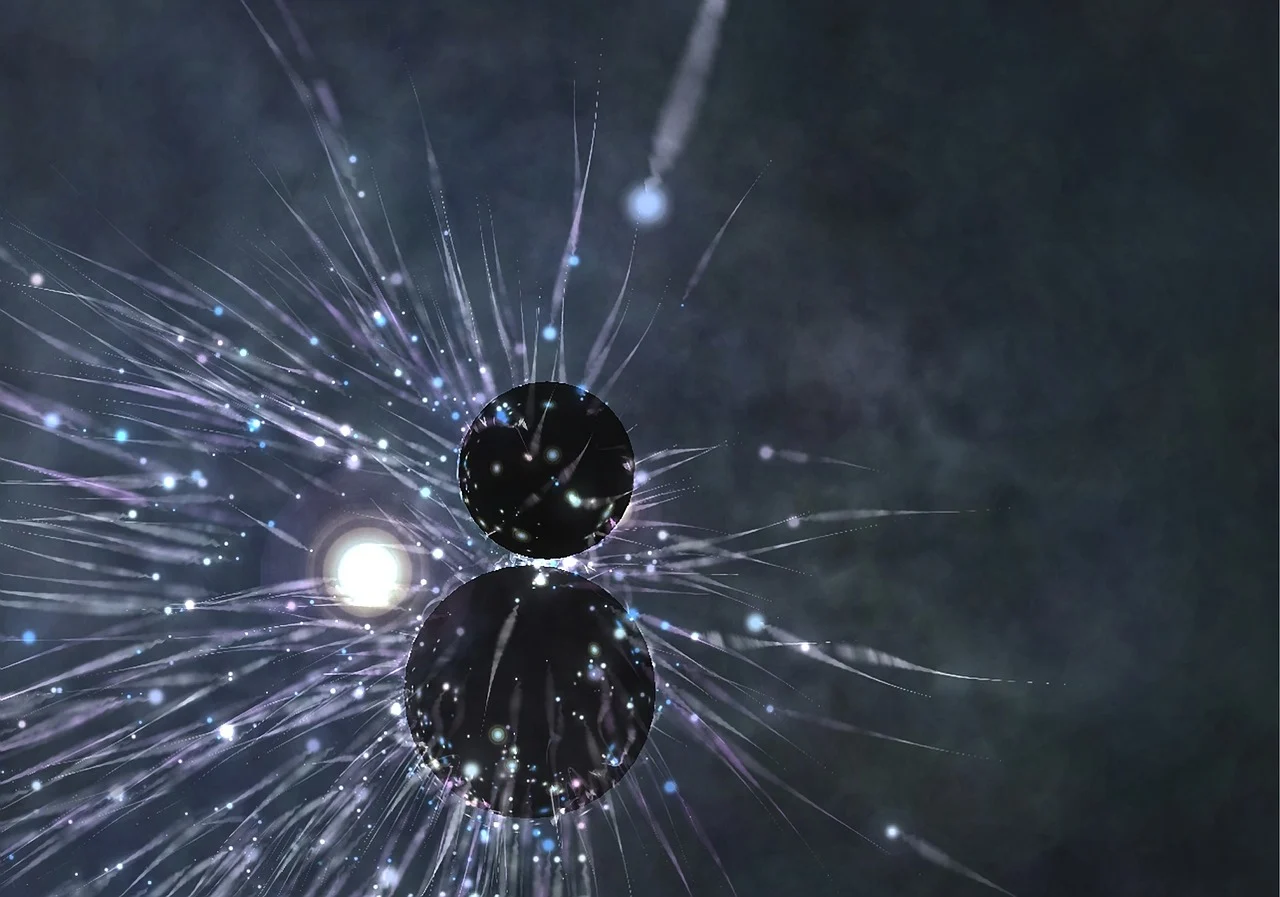
How actin wavefronts rescue T cell receptors from endocytosis
-

Plant diversity shapes chemical communication in ecosystems
Researchers at the Max Planck Institute for Chemical Ecology and the University of Kiel have provided experimental evidence showing that reducing plant species diversity alters plant chemical signals across whole communities and within individual…
Continue Reading
-
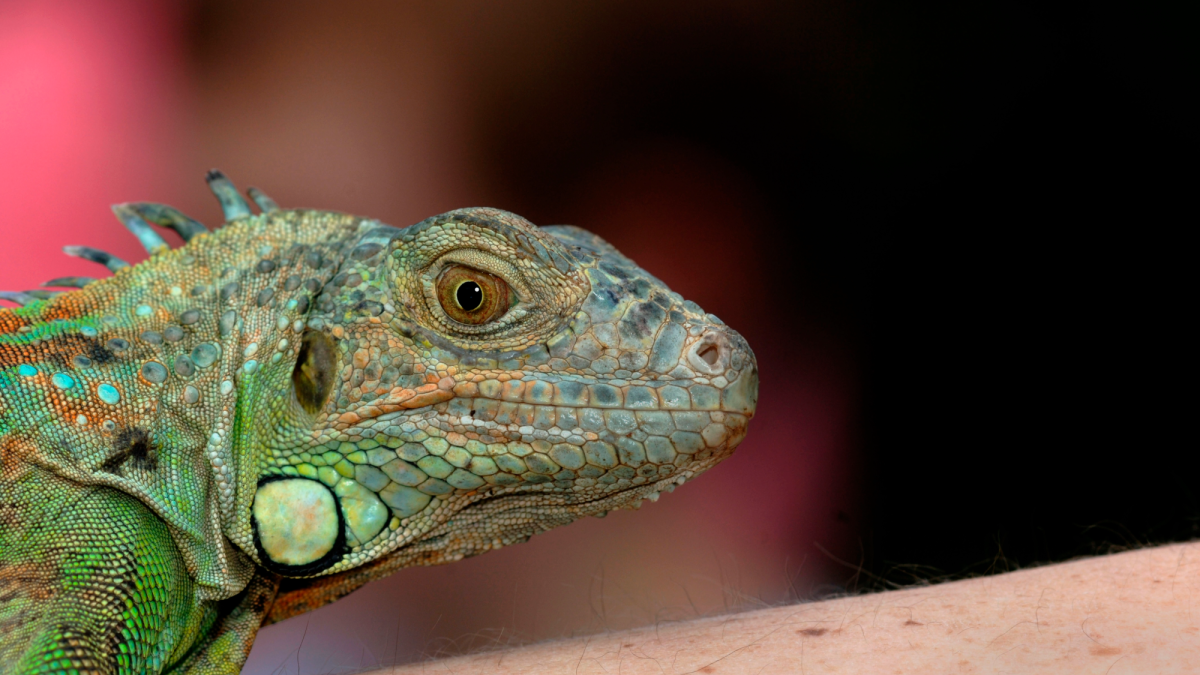
Don’t pick up frozen iguanas
In Florida, giant invasive pythons, the state’s signature alligators, and…
Continue Reading
-
Sideways discovery rewrites the rules of antigen presentation
A new discovery about how cells communicate with each other in the body’s immune system has revealed deeper insights for an international team of scientists into fundamental immune system function.
Continue Reading
-
Marine mammal social lives shape how diseases spread in the ocean
Whales, dolphins and other marine mammals are highly social, but those social ties can also help diseases spread through populations of rare or threatened species.
Continue Reading
-
Exploring mutations that spontaneously switch on a key brain cell receptor
Many people are familiar with histamine, a biological molecule that serves as a key driver of allergic reactions and other immune responses. However, histamine is also a major neurotransmitter in the mammalian brain, regulating essential…
Continue Reading
-

Will unseasonably hot weather dash Southern California's hopes for a 2026 superbloom?
Wildflower expert Naomi Fraga was excited about the prospect of an extraordinary bloom this spring, after a winter of near record rainfall, but this week’s unseasonably hot, dry weather has dimmed her hopes for a superbloom year.
Continue Reading
-
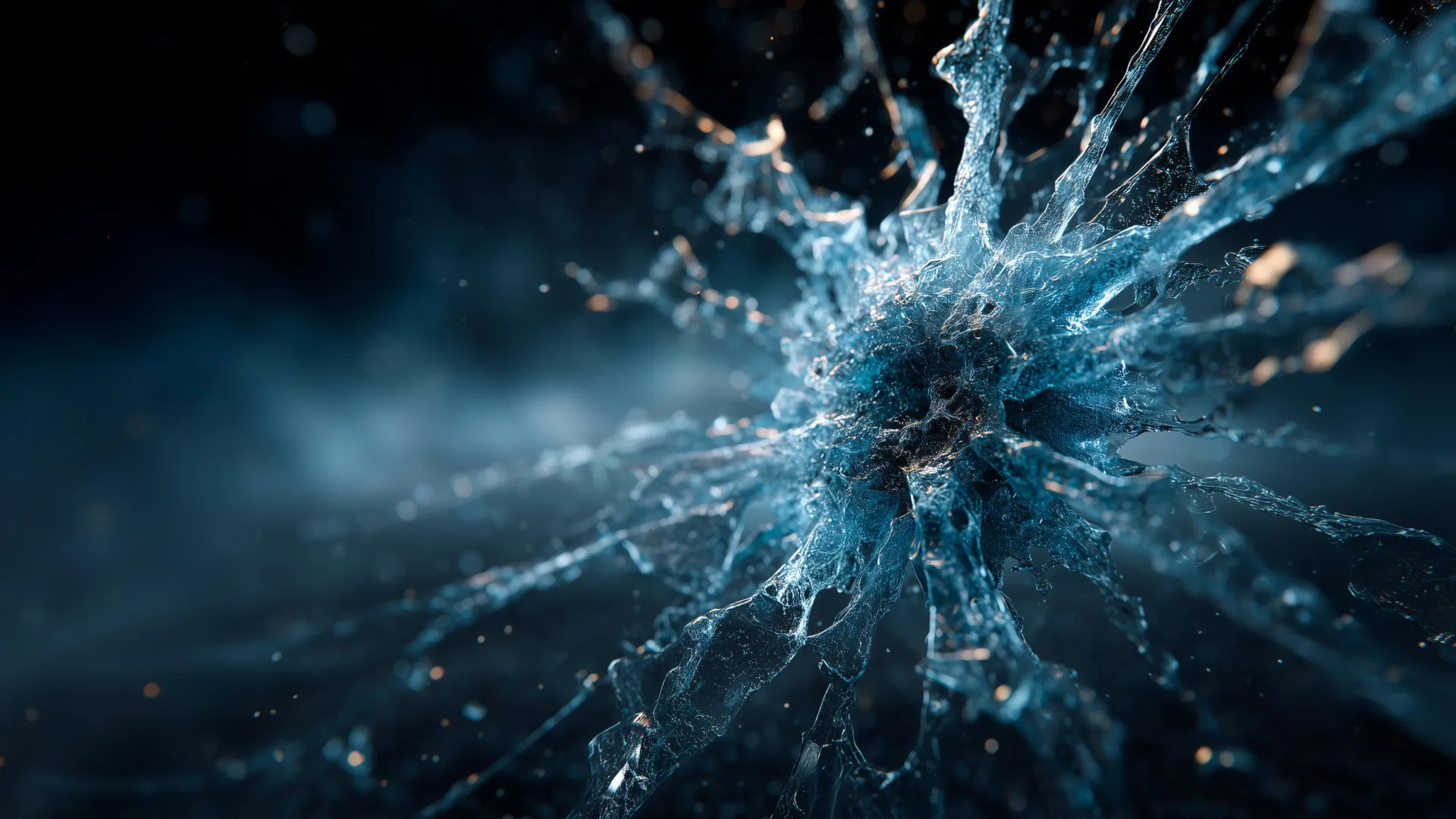
A deadly chemical frozen in ice may have sparked life on Earth
A chemical known for its danger to humans may have played an unexpected role in the earliest steps toward life on Earth. Hydrogen cyanide, which is highly poisonous, can freeze into crystals at low temperatures. Computer simulations published in…
Continue Reading
-
Sapio Sciences partners with the Wellcome Sanger Institute on digital laboratory transformation
Sapio Sciences, the science-aware™ AI lab informatics platform, today announced that the Wellcome Sanger Institute has selected the Sapio Informatics Platform as its central LIMS to underpin the Institute’s ambitious lab…
Continue Reading
-
Sapio Sciences announces partner ecosystem for ELaiN, its third-generation AI lab notebook
Sapio Sciences, the science-aware™ AI lab informatics platform, today announced the availability of trusted, third-party scientific applications and platforms now integrated directly into Sapio ELaiN, its third-generation AI lab…
Continue Reading