
These authors contributed equally: Toshiaki Tameshige, Takeshi Tsuchida.
Division of Biological Sciences, Graduate School of Science and Technology, Nara Institute of Science and Technology, 8916-5, Takayama-cho, Ikoma, Nara, Japan
Toshiaki…
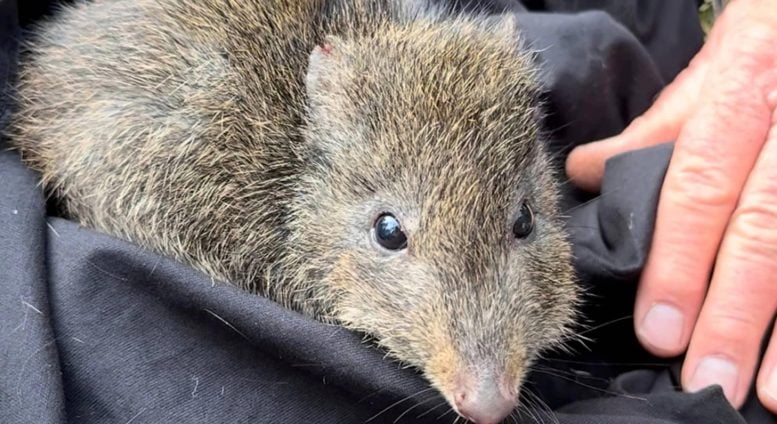
New research could help conserve the world’s rarest marsupial. New findings from Edith Cowan University (ECU) could strengthen efforts to safeguard one of the planet’s rarest marsupials. The Gilbert’s potoroo, a critically endangered…
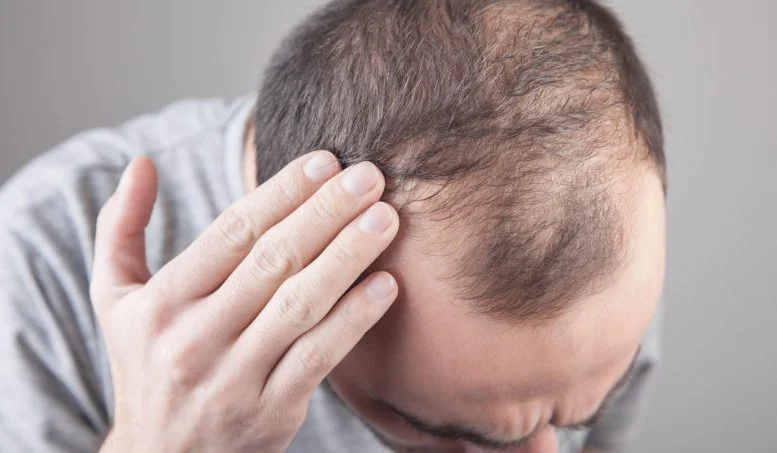
A new imaging study challenges long-standing ideas about how hair grows and could lead to new treatments for hair loss. Scientists have discovered that human hair does not emerge because it is pushed upward from the root. Instead, it is pulled…

Sometimes, in genetics, two wrongs do make a right. A research team has recently shown that two harmful genetic variants, when occurring together in a gene, can restore function—proving a decades-old hypothesis originally proposed by Nobel…
A comprehensive new review synthesizing decades of research warns that the Brazilian Cerrado—a biodiversity hotspot, known for its vast inverted forests—is facing a massive, multi-faceted ecological crisis.
Advanced, chronic liver disease is estimated to kill over two million people around the world every year. The community of microorganisms in the human gut is thought to be linked to many different health…

Thanks to a recent study by researchers at IOCB Prague, it is now possible to monitor processes in living cells more effectively than before, including responses to drugs and changes in cellular structures.
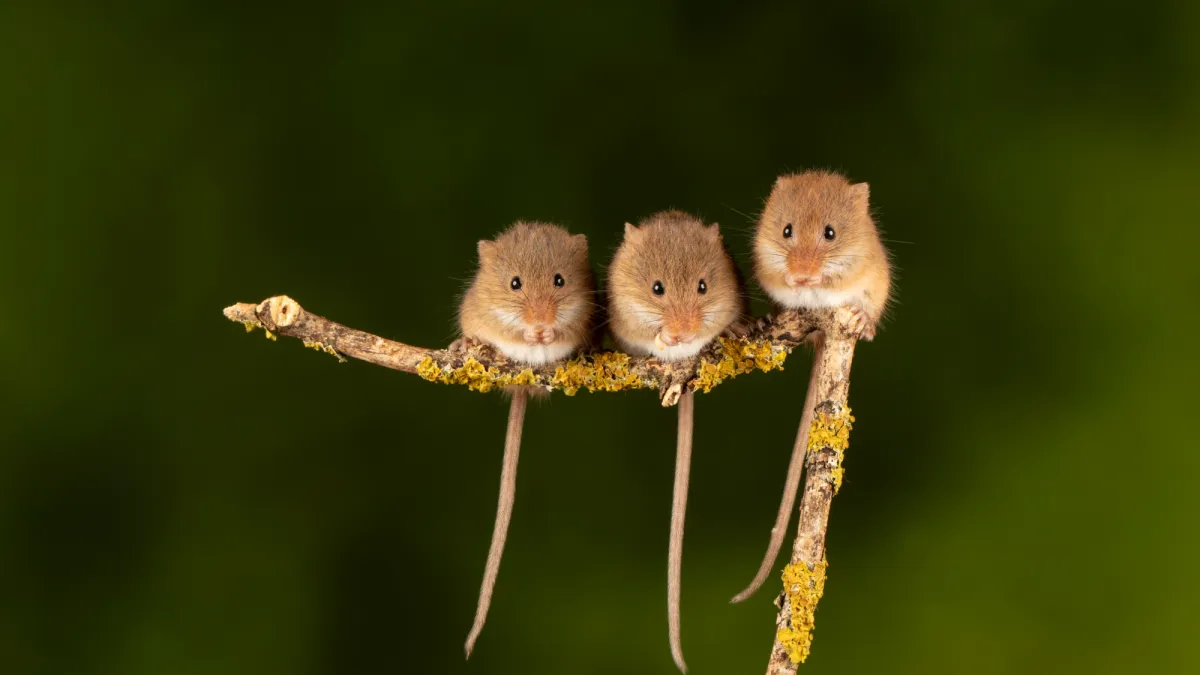
If a female house mouse mates with multiple male house mice, her litter could…
A multidisciplinary team has uncovered a key mechanism that allows the human bacterium Mycoplasma pneumoniae—responsible for atypical pneumonia and other respiratory infections—to obtain cholesterol and other essential lipids directly from…
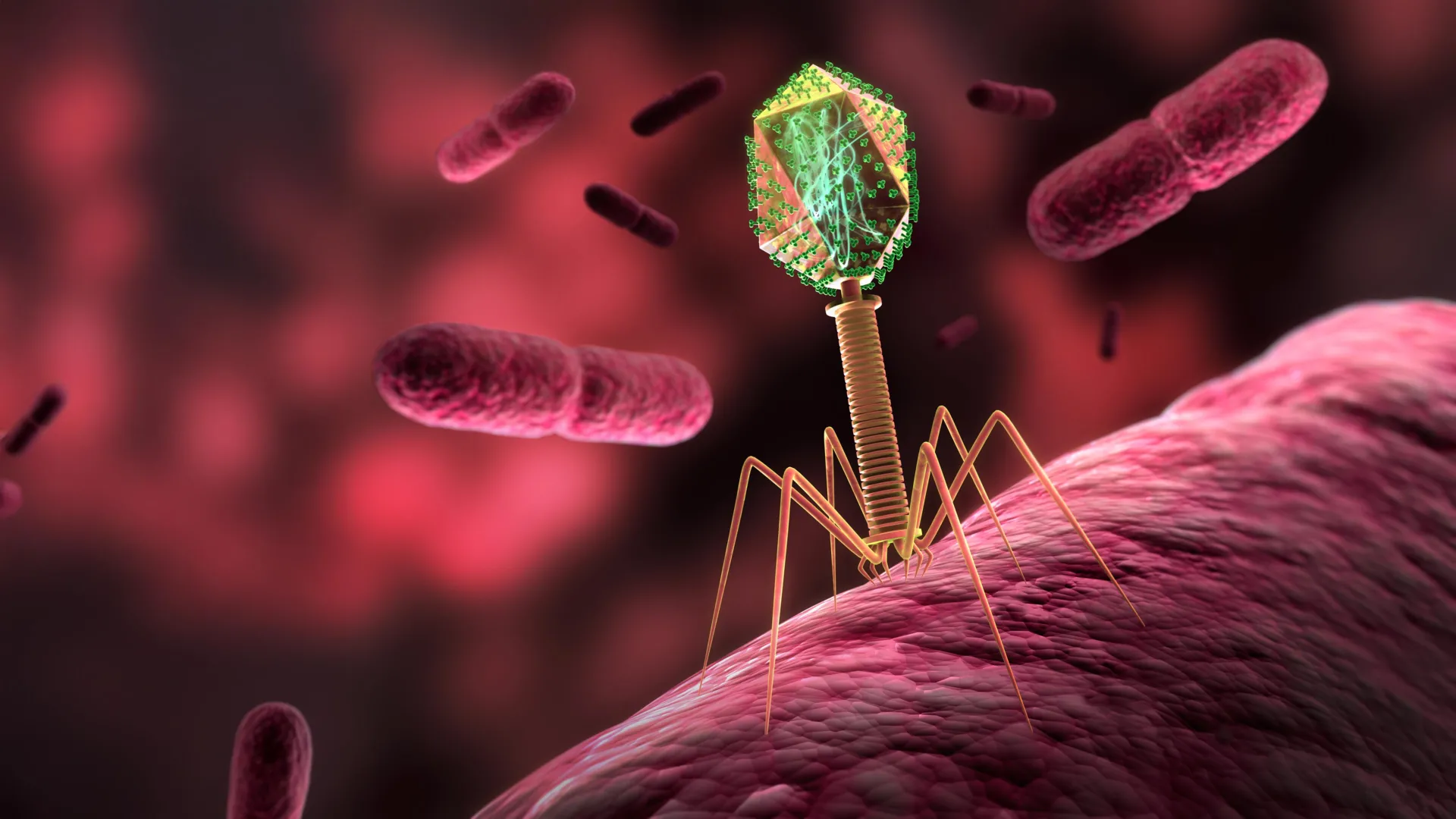
In a new study, terrestrial bacteria-infecting viruses were still able to infect their E. coli hosts in near-weightless “microgravity” conditions aboard the International Space Station, but the dynamics of virus-bacteria interactions differed…