
Sealed surfaces, artificial light and constant noise: What is part of everyday life for humans poses major challenges for other animals. A new international review conducted by researchers from Bielefeld University now reveals just how profoundly…
Category: 5. Biology
-

How cities are changing social behavior in urban animals
-
Virtual staining advances: AI uses cell context to improve imaging accuracy
To ensure our bodies function correctly, the cells that compose them must operate properly. Imagine a cell as a bustling city where tiny parts called organelles move, reorganize, and respond to external stresses. To understand how our bodies stay…
Continue Reading
-
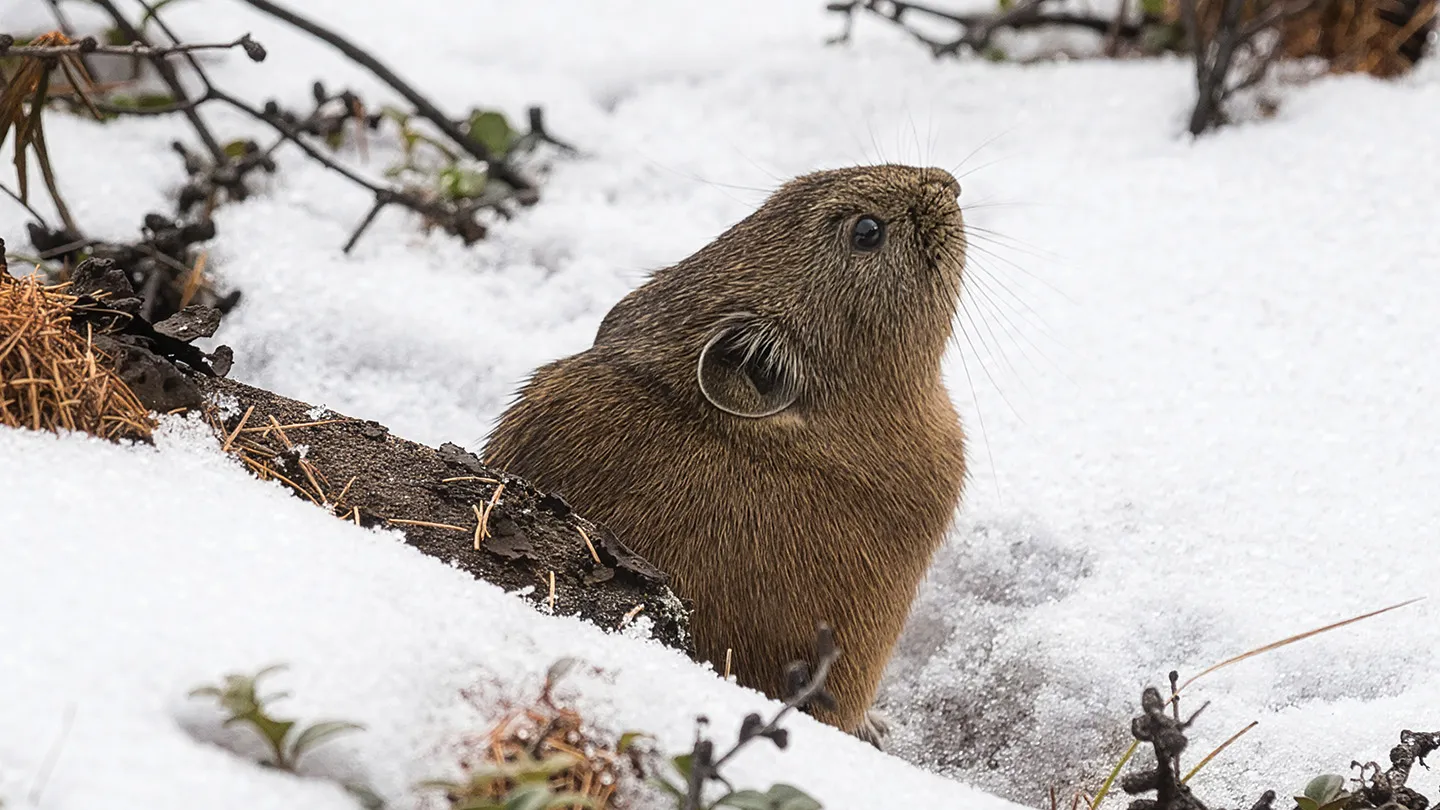
There’s life beneath the snow, but it’s at risk of melting away
A soft, thick coat of snow makes a lot of the world seem to slow down or even stop — at least temporarily. The fluffy piles absorb sound and make the world quiet and still. But deep underneath, in pockets between the snow and the…
Continue Reading
-
Beyond chemistry: How mechanical forces shape brain wiring
During brain development, neurons extend long processes called axons. Axons link different areas of the brain and carry signals within it and to the rest of the body. Growing axons “wire up” the brain by following precise paths through the…
Continue Reading
-
Satellites and AI can help tackle critical invasive species problem
Satellite imagery and artificial intelligence can detect with high accuracy two invasive weed species in Australia, posing a new opportunity for defense against these pervasive plants.
Continue Reading
-
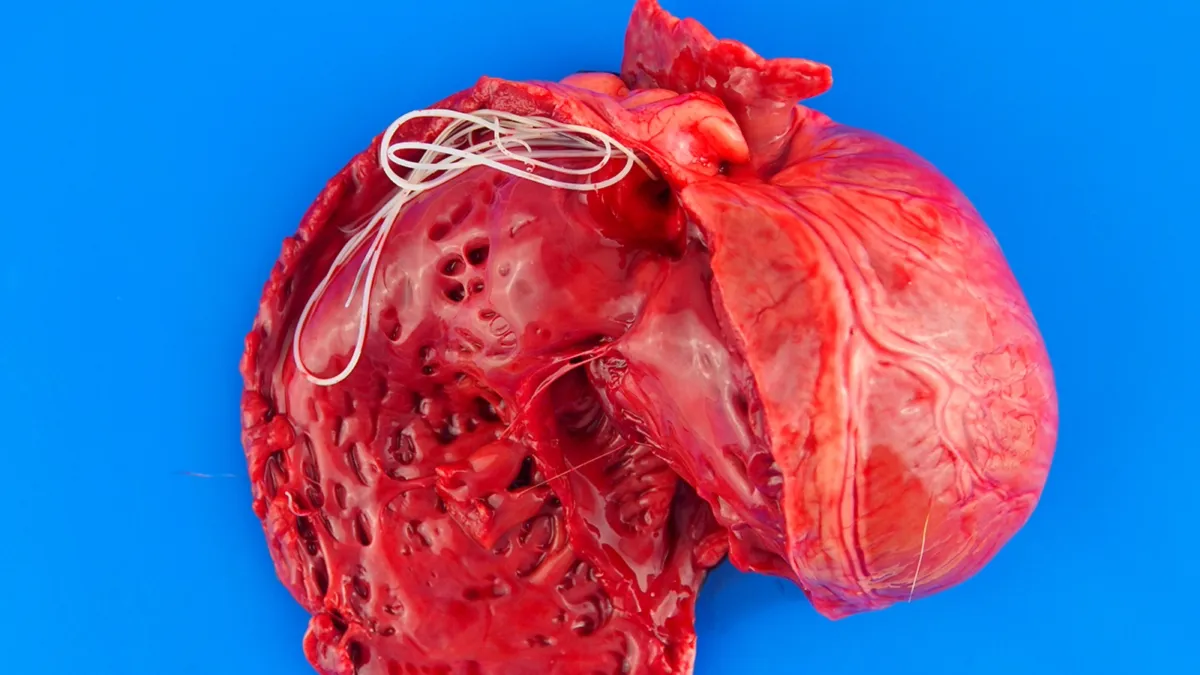
This deadly dog ‘spaghetti’ has ancient origins
Every year, millions of dogs come face-to-face with a life threatening…
Continue Reading
-
The future of Antarctic life: Scientists map out five scenarios as climate and human pressures mount
A team of scientists has overcome a major challenge in predicting how Antarctic life will fare under future climate scenarios, revealing five scenarios for the future of Antarctic life.
Continue Reading
-
Artificial light at night extends pollen season, researchers find
Artificial light at night extends pollen season and increases allergen exposure in Northeastern United States cities. Lin Meng and colleagues analyzed 12 years of pollen data from 12 monitoring stations across the Northeastern United States,…
Continue Reading
-
How much of 'us' is really 'us'?
Some time around 1683, amateur Dutch scientist Antonie van Leeuwenhoek scraped the plaque from between his teeth and peered at it through a home-made microscope.
Continue Reading
-
Innovations in spatial imaging could unlock higher wheat yields
Researchers at the John Innes Center and the Earlham Institute are pioneering powerful single-cell visualization techniques that could unlock higher yields of global wheat.
Continue Reading