
A new CIIMAR study demonstrates that natural peptides produced by cyanobacteria are capable of replacing toxic biocides that dominate the market for anti-fouling paints used in the maritime industry. The use of these peptides as an active…
Category: 5. Biology
-

Natural peptides from cyanobacteria offer eco-friendly solution to marine biofouling
-

Positive interactions dominate among marine microbes, six-year study reveals
A six-year analysis of marine microbes in coastal California waters has overturned long-held assumptions about how the ocean’s smallest organisms interact.
Continue Reading
-
Kenya's big cats under pressure: Cattle are pushing lions away
In the Kenyan savanna, lions and livestock essentially live in shifts: Cattle graze during the day and are enclosed at night when lions are active.
Continue Reading
-

New method creates acinar cells involved in formation of pancreatic cancer
Organoids are three-dimensional miniature models of organs, grown in a dish. They have become a valuable tool for studying human development, organ regeneration, function, and disease progression. Organoids derived from patient tissues or created…
Continue Reading
-
Old diseases return as settlement pushes into the Amazon rainforest
Human activity continues to expand ever further into wild areas, throwing ecology out of balance. But what begins as an environmental issue often evolves into a human problem.
Continue Reading
-
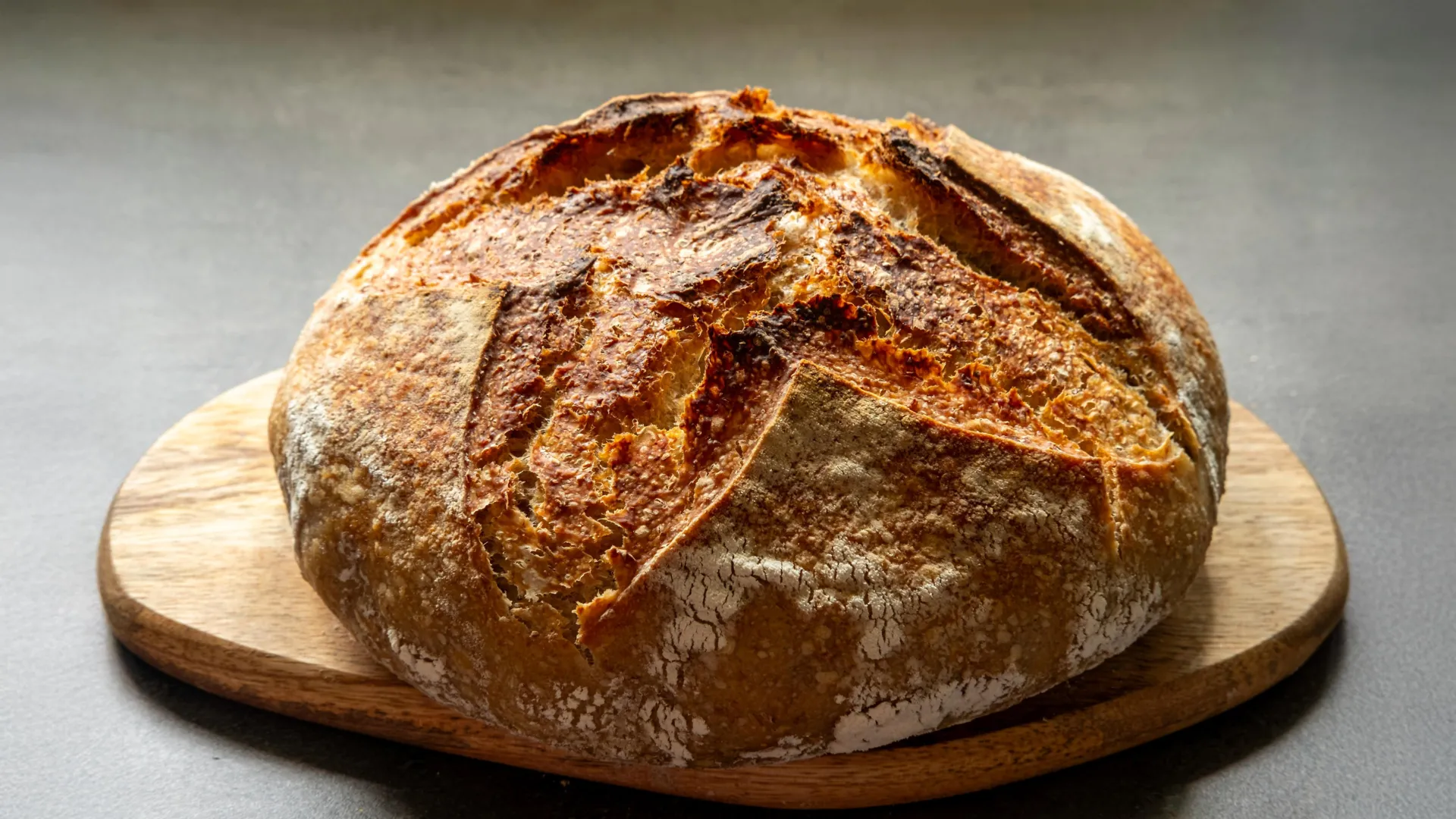
The hidden microbes that decide how sourdough tastes
Sourdough starter is a simple blend of flour and water that bakers rely on to make bread rise. For scientists, it is also a powerful way to study how living organisms change over time. The familiar chewy texture and tangy flavor of sourdough come…
Continue Reading
-
Key protein can restore aging neural stem cells' ability to regenerate
Researchers at the Yong Loo Lin School of Medicine, National University of Singapore (NUS Medicine), have found that a key protein can help to regenerate neural stem cells, which may improve aging-associated decline in neuronal production of an…
Continue Reading
-

Largest canine gut microbiome catalog reveals hundreds of new bacterial strains
Researchers at the Waltham Petcare Science Institute in the UK recently revealed a complete taxonomic and functional catalog of the canine gut microbiome after analyzing samples from 107 healthy dogs across the U.S. and Europe. The study,…
Continue Reading
-
How European city life is continually rewriting insect DNA
Cities are known to shape the evolution of wildlife within them, but according to a study of European cities published in the journal Proceedings of the Royal Society B: Biological Sciences, this is not a one-off event. Rather than a single urban…
Continue Reading
-
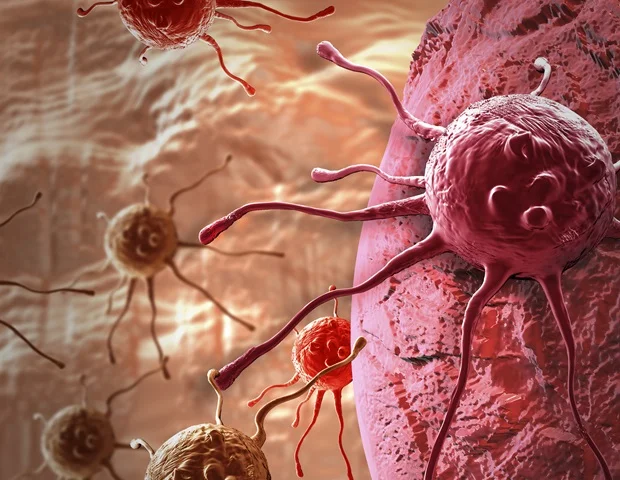
Decoupling of metabolism and vasculature in tumors revealed by novel Capillary-Cell microscopy
A multidisciplinary team from Harvard Medical School, Duke University, and Massachusetts General Hospital has developed the dual-scale Capillary-Cell (CapCell) microscope, a revolutionary tool for visualizing tumor metabolism and…
Continue Reading