
Despite being one of the most cooperative species on the planet, humans routinely fail to manage shared resources sustainably. We overfish from the oceans, burn fossil fuels, and over-prescribe antibiotics; behaviors that offer individualistic…
Category: 5. Biology
-

Chimpanzees are better at solving resource dilemmas in larger, more tolerant groups
-

Scientists illuminate ancient plant-fungus partnership at molecular level
For 450 million years, plants and soil fungi have been trading partners. The fungi weave through plant roots, delivering phosphorus and other soil minerals in exchange for sugars and fats produced by the plant through photosynthesis. This ancient…
Continue Reading
-

Researchers propose a new framework for understanding neutrophils
Researchers from Universidad Carlos III de Madrid (UC3M), the National Center for Cardiovascular Research (CNIC), and Yale University (USA) have published a comprehensive review article in the journal Cell that proposes a new…
Continue Reading
-
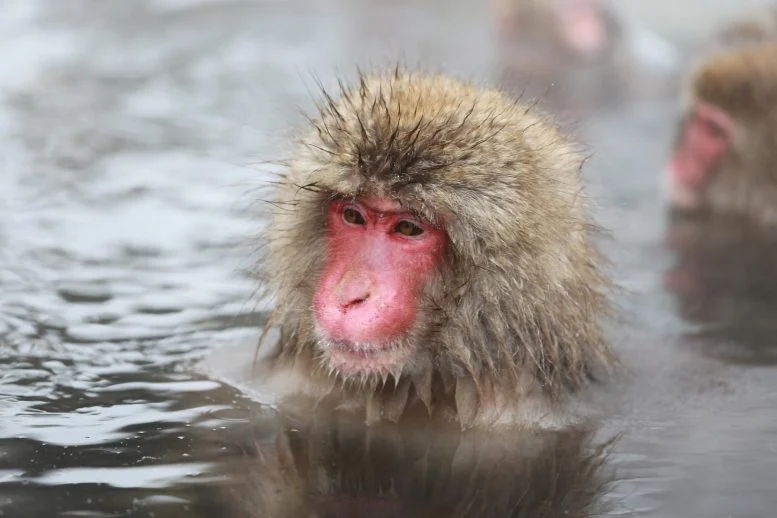
Snow Monkeys’ Hot Spring Baths Do More Than Keep Them Warm, Study Finds
Japanese macaques are famous for soaking in hot springs during winter, but new research suggests this behavior may serve purposes beyond staying warm. Japanese macaques, commonly known as snow monkeys, have become famous for their winter…
Continue Reading
-
Critique highlights challenges in measuring Yellowstone aspen ecosystem response to wolf reintroduction
A critique from a team led by Utah State University ecologist Dan MacNulty and published in Forest Ecology and Management has prompted a formal correction to a high-profile study on aspen recovery while raising broader questions about how…
Continue Reading
-

Unlocking microbial secrets for health on Earth and beyond
Microorganisms live in biofilms – the equivalent of microbial “cities”- everywhere on Earth. These city-like structures protect and house microbial communities and play essential roles in enabling human and plant health on our…
Continue Reading
-
Humans use local dialects to communicate with honeyguide birds, research shows
Researchers from the University of Cape Town (UCT), working with international collaborators, have shown that people in northern Mozambique use regionally distinct “dialects” when communicating with honeyguide birds, revealing a striking parallel…
Continue Reading
-

Large study identifies more than 100 genetic regions linked to schizophrenia
A team of researchers led by scientists from the Icahn School of Medicine at Mount Sinai, SUNY Downstate Health Sciences University, and the Department of Veterans Affairs has conducted the largest and most comprehensive genome-wide…
Continue Reading
-

Researchers develop protocol to create functional acinar cells in organoids
Organoids are three-dimensional miniature models of organs, grown in a dish. They have become a valuable tool for studying human development, organ regeneration, function, and disease progression. Organoids derived from patient…
Continue Reading
-
Construction of Asian carp barrier in Illinois hits another snag
Nine months ago, President Donald Trump signed a presidential memorandum instructing his administration to “achieve maximum speed and efficiency” in moving to block invasive Asian carp from reaching the Great Lakes.
Continue Reading