
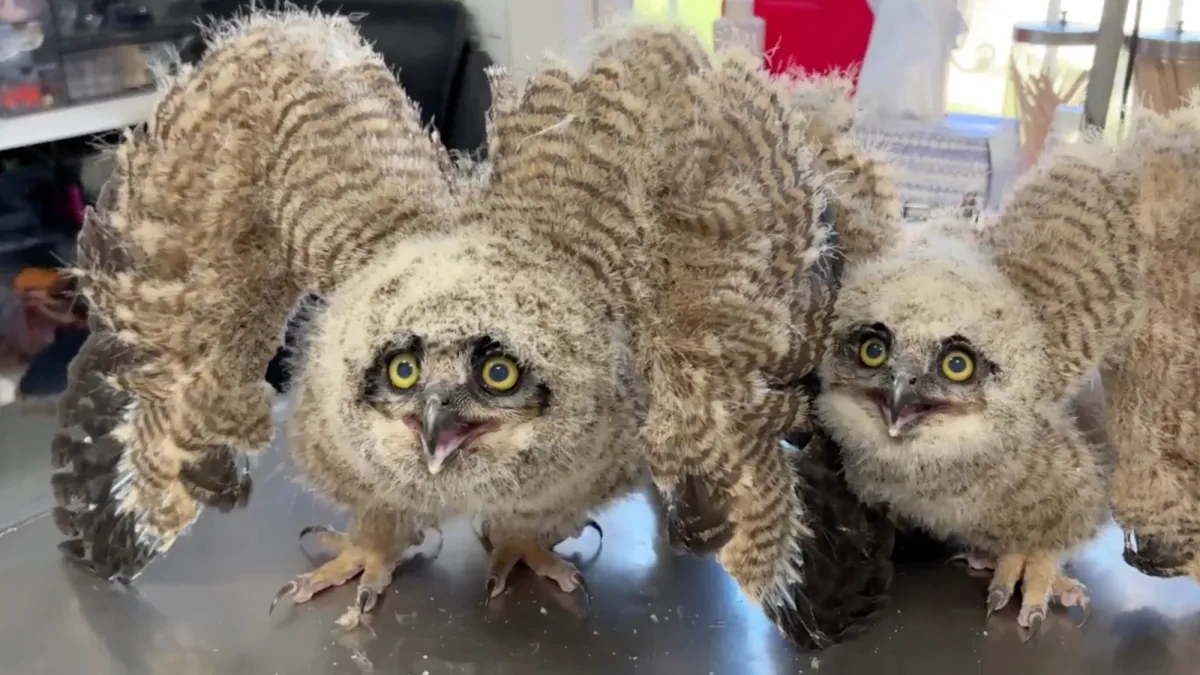
When taking care of injured birds, sometimes a hands-off approach is the best…
Category: 5. Biology
-

Bacteria invent another way to turn on genes
In their landmark 1961 paper on the lac operon, Nobel laureates François Jacob and Jacques Monod speculated that RNA might control gene activity in bacteria through base-pairing interactions. But once protein transcription factors were…
Continue Reading
-
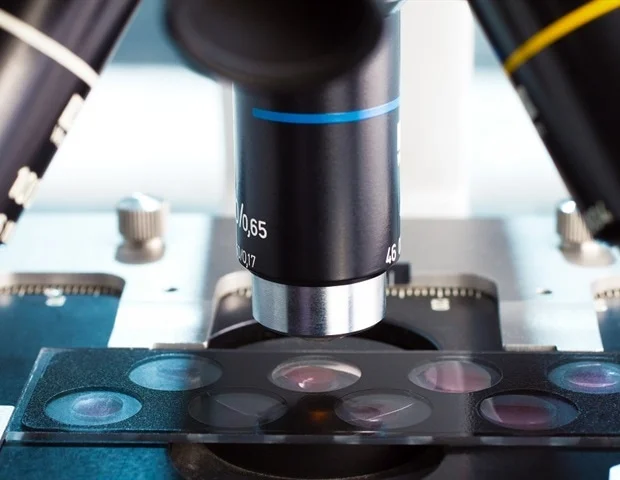
Lab gloves may inflate microplastics measurements in research studies
Nitrile and latex gloves that scientists wear while they are measuring microplastics may lead to a potential overestimation of the tiny pollutants, according to a University of Michigan study.
The study found that gloves may…
Continue Reading
-

Scientists Find Surprising Way To Protect Hedgehogs From Roads
Scientists found hedgehogs hear ultrasound, raising hopes for repellents to reduce road deaths. Researchers at the University of Oxford suggest that ultrasonic repellers could help lower the number of hedgehogs killed by cars. Their idea builds…
Continue Reading
-
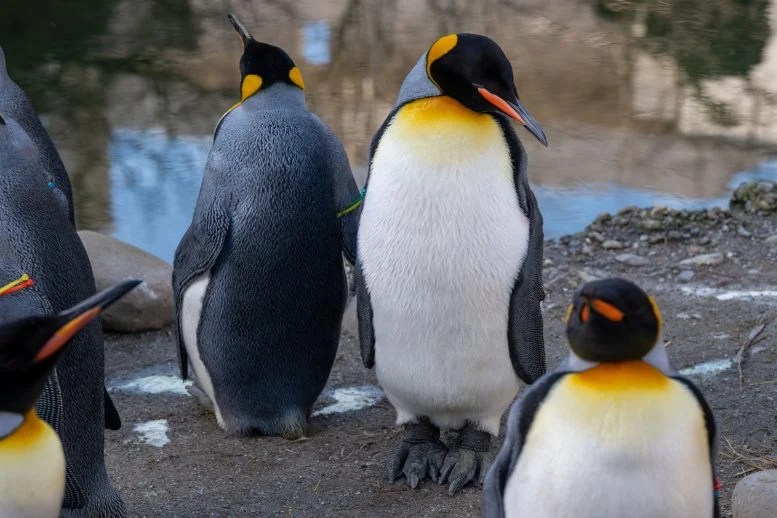
Penguins in Zoos Age Faster Than Their Wild Counterparts
Zoo penguins live longer but age faster, suggesting that comfort and abundance can harm long-term health despite increasing lifespan. In many Western countries, longer life expectancy is often assumed to mean better health in later years. In…
Continue Reading
-
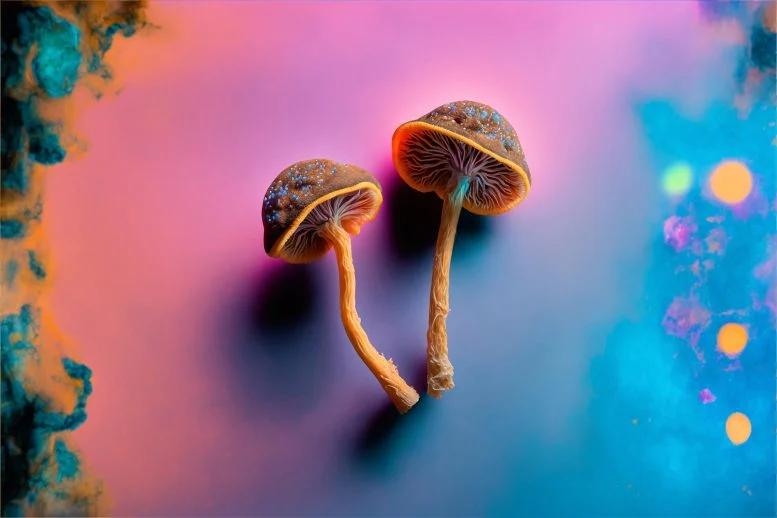
Scientists Discover New “Magic Mushroom” Species That Rewrites Evolutionary History
A familiar “magic mushroom” may not be what it seems. A decades-long mystery surrounding the origins of the world’s most widely cultivated “magic mushroom” – Psilocybe cubensis – may finally be settled. New research suggests its…
Continue Reading
-

Scientists say we’ve been looking in the wrong place for human origins
Researchers report that a newly uncovered fossil ape from northern Egypt is changing how scientists view early hominoid evolution. The discovery suggests that the closest ancestors of modern apes may have originated in northern Africa, rather…
Continue Reading
-

Why use living cells? Researchers are making chemicals with enzymes alone
Today’s nearly $70 billion U.S. biofuels economy is powered by two technology toolboxes. Biochemical technologies—used to produce around 17 billion gallons of ethanol annually—leverage microorganisms to convert plant biomass sugars into…
Continue Reading
-
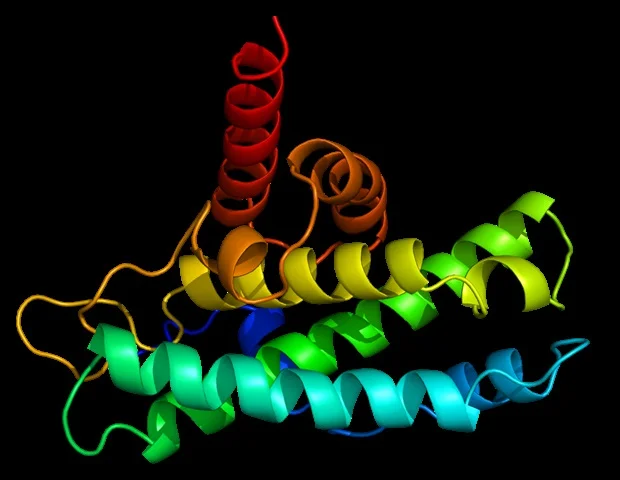
New method reveals hidden protein motions for improved drug design
For many of us “protein” is the key element of a food order. However, beyond your preferred choice of meats or plant-based alternatives, proteins encompass a large class of complex biomolecules whose chemical structure is encoded in…
Continue Reading
-
New neural organoid system improves scalability and reproducibility for research
Neural organoids have been heralded as having huge potential for advancing our knowledge of the brain in several fields. These include exploring the responses of brain tissue to drugs, investigating the effect of specific genetic…
Continue Reading