
Scientists have uncovered a 400-million-year-old genetic secret that gave spiders the ability to produce silk and weave their webs. Spiders didn’t begin their journey on Earth in the same way as they are known today. Arthropods such as our…
Category: 5. Biology
-

Spider spinneret evolution: How a genome duplication event 438 million years ago set the stage
-
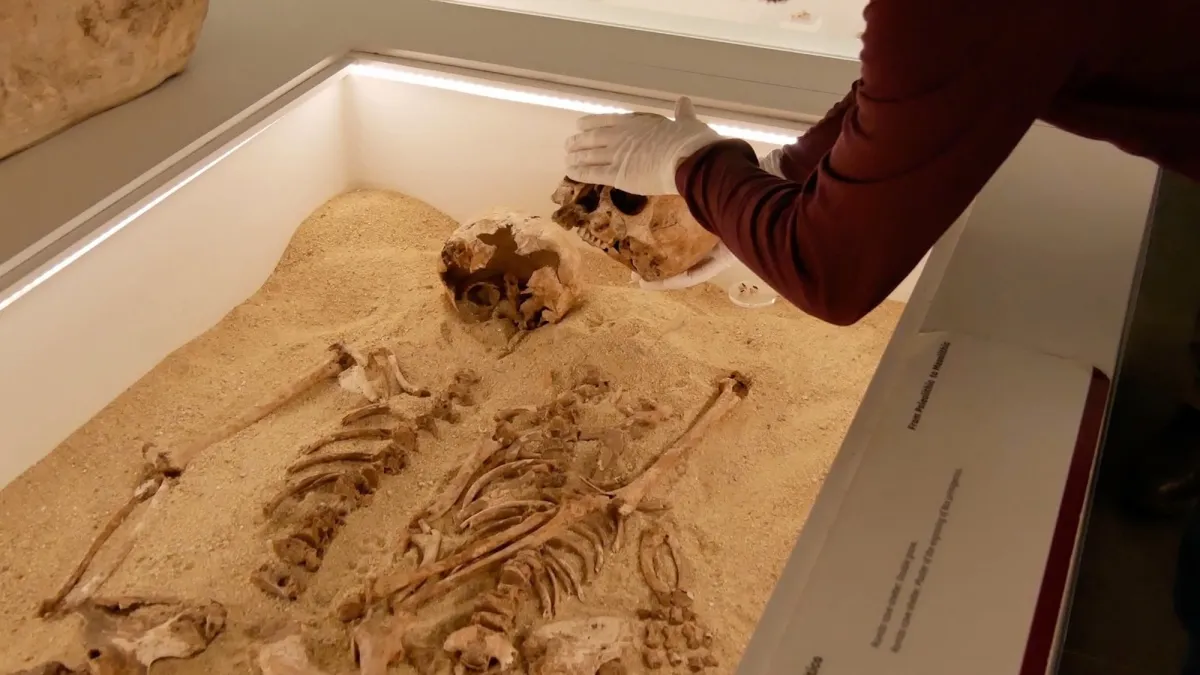
Skeletons reveal Stone Age mother and daughter had a rare genetic condition
In 1963, paleoarchaeologists working in southern Italy discovered a unique…
Continue Reading
-
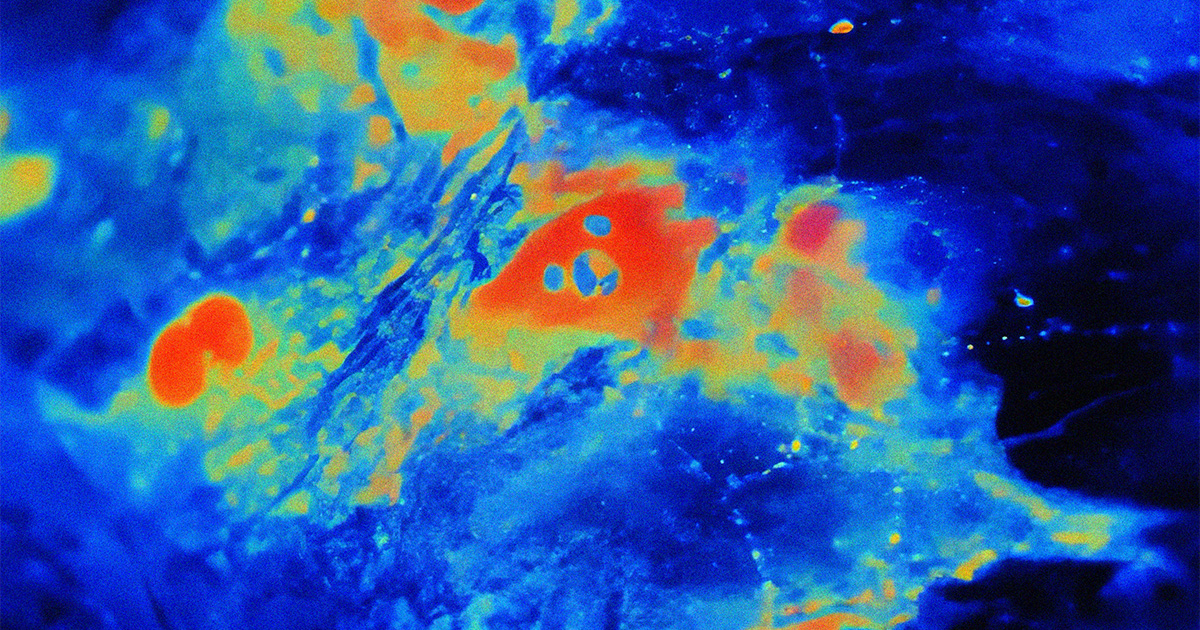
Once Thought To Support Neurons, Astrocytes Turn Out To Be in Charge
The human brain is a vast network of billions of neurons. By exchanging signals to depress or excite each other, they generate patterns that ripple across the brain up to 1,000 times per second. For more than a century, that dizzyingly…
Continue Reading
-
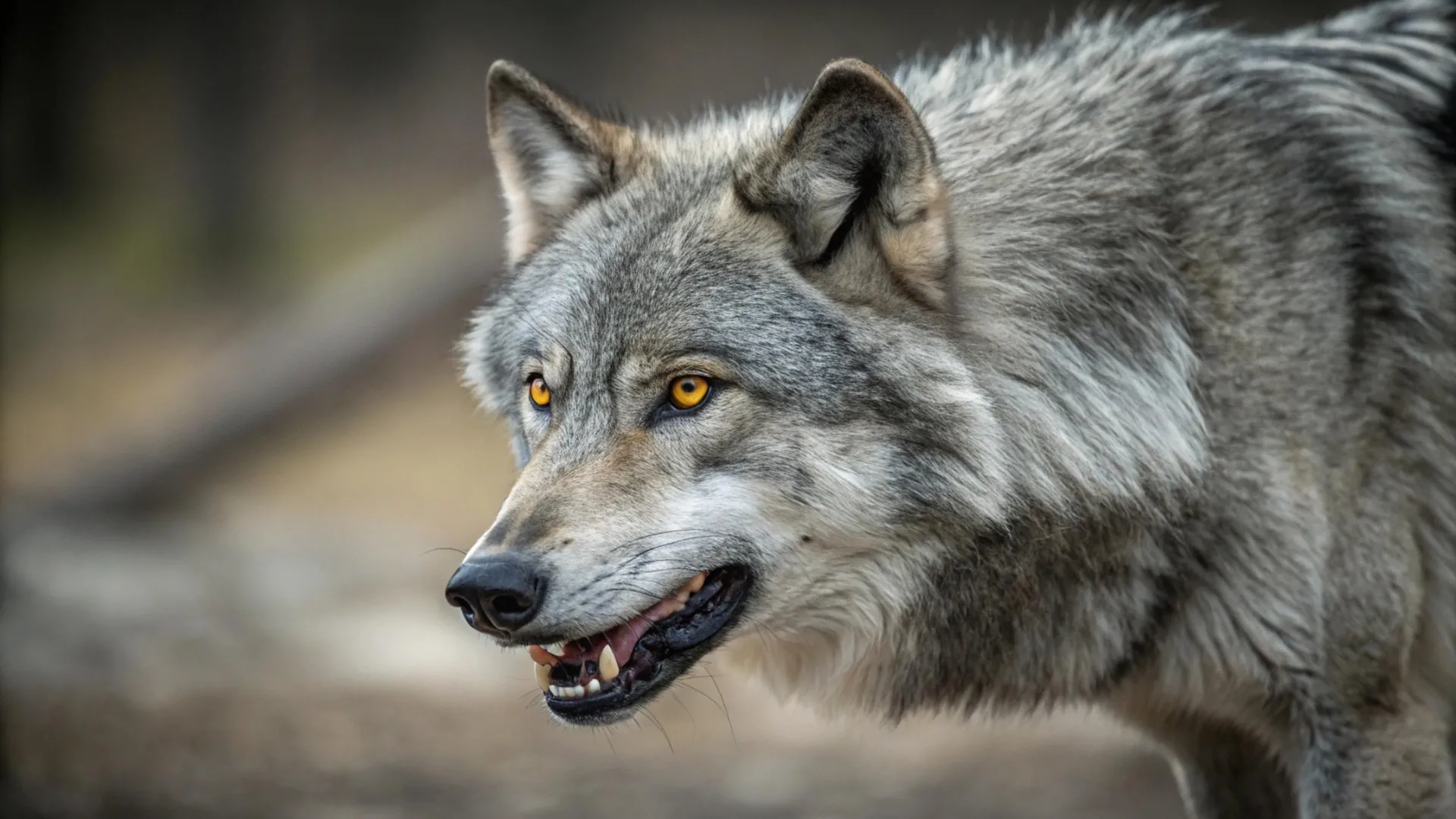
Gray wolves are hunting sea otters and no one knows how
On Prince of Wales Island, Alaska, gray wolves are showing an unusual behavior: they are hunting sea otters. This unexpected shift in diet could have wide-ranging effects on coastal ecosystems and on the wolves themselves. However, scientists…
Continue Reading
-

Meerkat sunning calls may act as 'vocal grooming' for social bonding
As the sun rises over the Kalahari Desert, meerkat groups emerge from their burrows and gather closely, turning their bodies toward the warmth of the early light. These quiet morning moments are more than a way to warm up; they offer a revealing…
Continue Reading
-
The devastation of island land snails: Pacific leads global wave of extinctions, researchers find
A comprehensive new review paper reveals the staggering loss of biodiversity among island land snails globally. Lead author Robert Cowie of the University of Hawai’i at Mānoa’s School of Ocean and Earth Science and Technology (SOEST) and…
Continue Reading
-
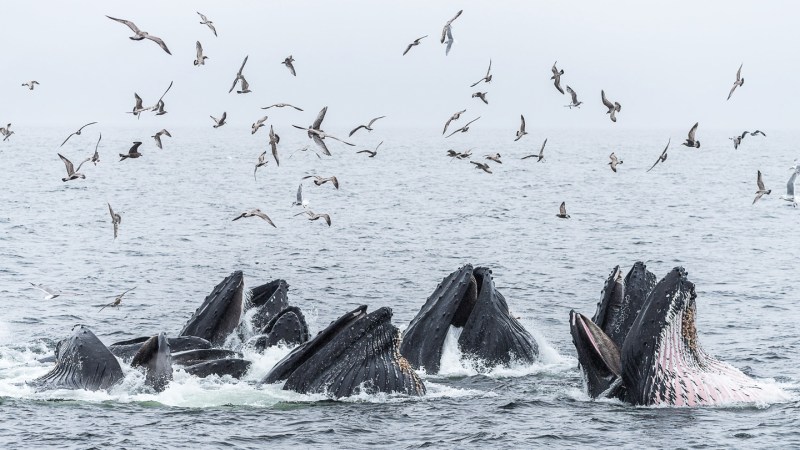
Canadian humpback whales thrive with a little help from their friends
For one population of whales, teamwork makes the dream work.
Decades after commercial whaling nearly drove them to extinction, a feeding behavior known as bubble netting is helping a group of humpback whales (Megaptera novaeangliae)…
Continue Reading
-
Bromacker regurgitalite reveals what an early land predator spit up 290 million years ago
New research conducted by paleontologists from the Museum für Naturkunde Berlin, Humboldt-Universität zu Berlin and the CNRS (France) documents the earliest occurrence of a fossilized regurgitation produced by a strictly terrestrial predator…
Continue Reading
-
One of Earth's most abundant organisms is surprisingly fragile
A group of ocean bacteria long considered perfectly adapted to life in nutrient-poor waters may be more vulnerable to environmental change than scientists realized. The bacteria, known as SAR11, dominate surface seawater worldwide and can make up…
Continue Reading
-
Corals' boldest cousins: Zoantharians bend the laws of evolution
In the realm of marine biogeography, there is a widely held scientific principle: the Atlantic and Indo-Pacific oceans are worlds apart. If you dive in Brazil and then in Okinawa, you expect to see entirely different groups of fish and coral. But…
Continue Reading