
- NATURE PODCAST
Research identifies how stem-cell filled structures…
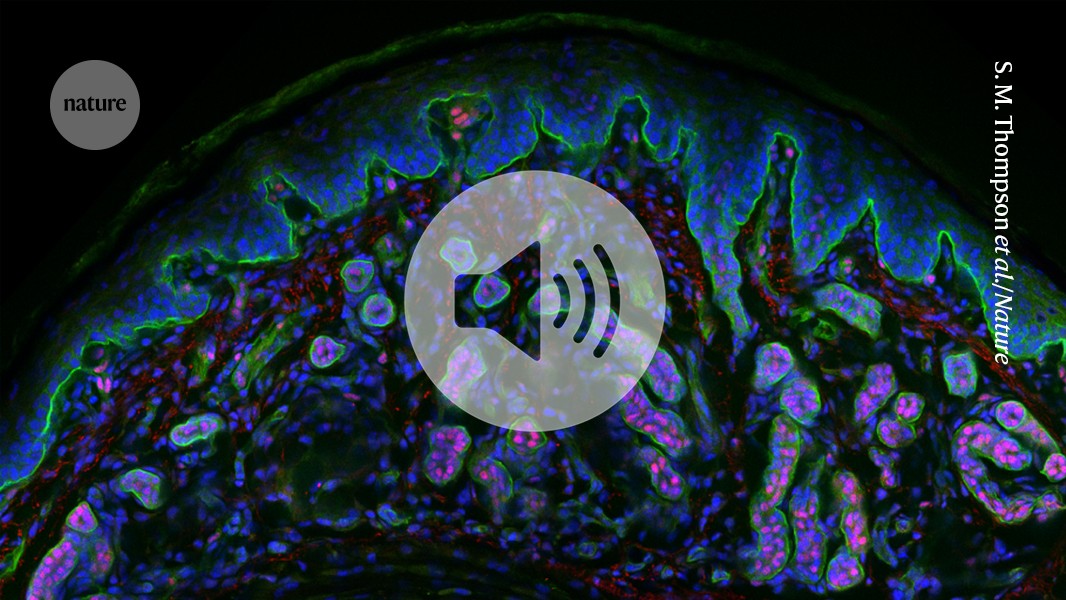
Research identifies how stem-cell filled structures…
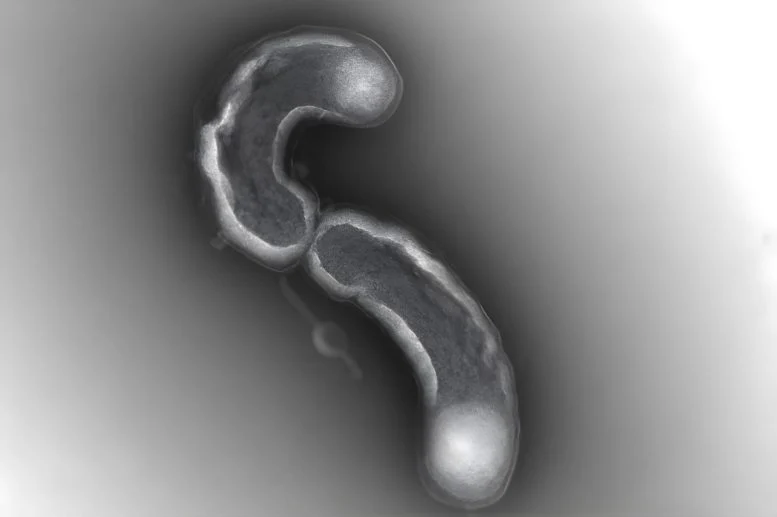
A new study finds that a trait helping a marine bacterium survive and flourish today may ultimately become its Achilles Heel as ocean conditions continue to shift. For decades, SAR11 bacteria have been held up as a model of ocean efficiency: tiny…
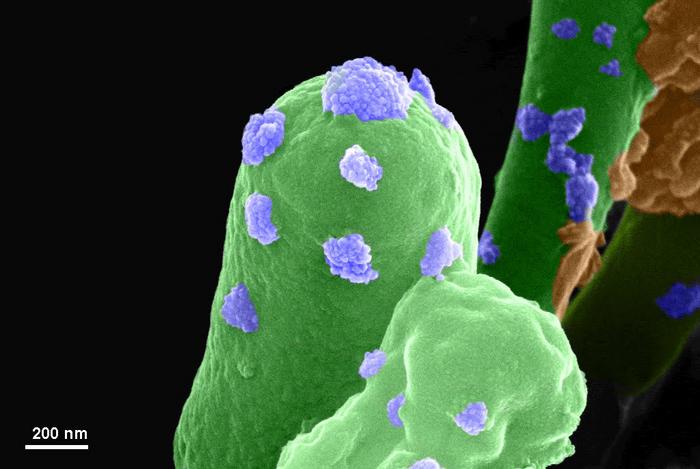
How can engineers design bricks on Mars for future habitats despite the toxic Martian regolith, also called perchlorates? This is what a recent study published in PLOS One hopes to address as an international…
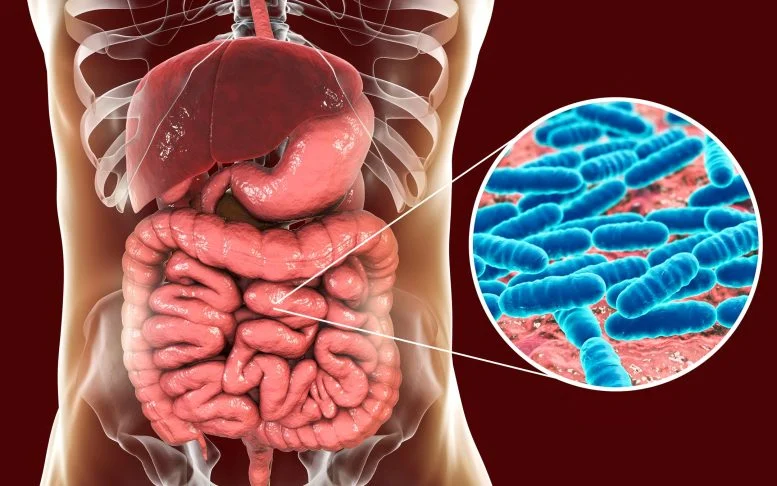
Scientists have uncovered a direct molecular mechanism by which gut bacteria inject proteins into human cells, reshaping immune responses and potentially driving inflammatory disease. Scientists have discovered that bacteria living in the human…
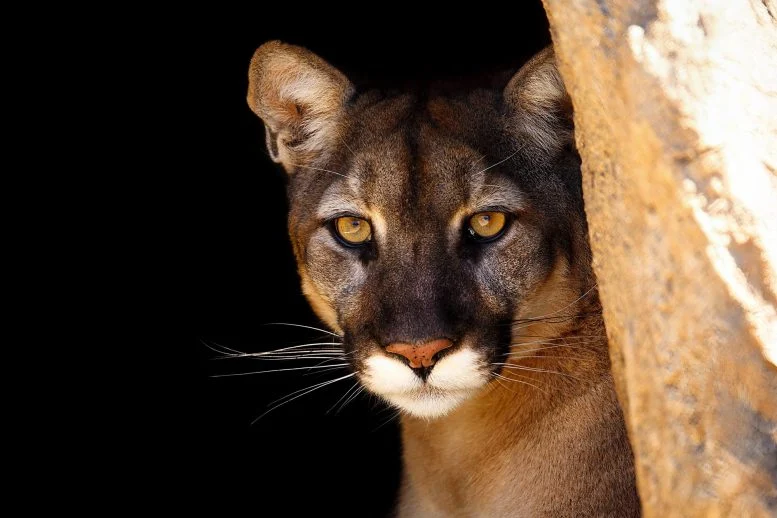
In Yellowstone, cougars coexist with wolves by changing what they eat and where they hunt, minimizing conflict driven largely by prey theft. New research shows that encounters between wolves and cougars in Yellowstone National Park are shaped…
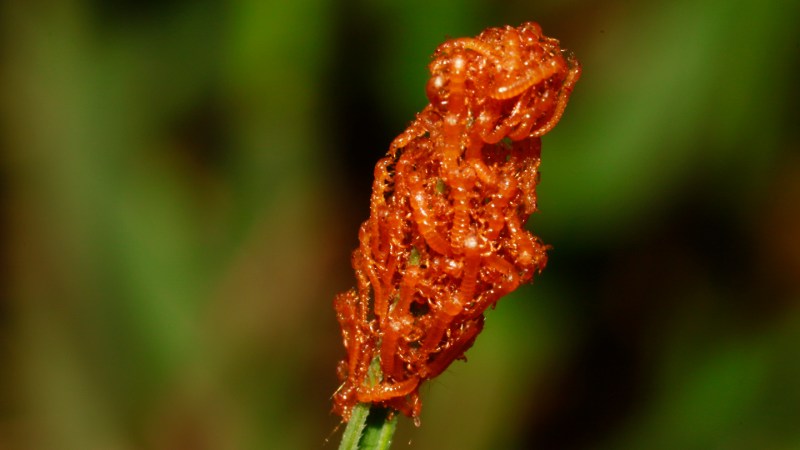
Like wily perfumers, a parasitic beetle’s larvae create floral aromas to lure in bees. Plants are known to cosplay as animals, but this rare discovery could be the first known example of an animal chemically mimicking a…
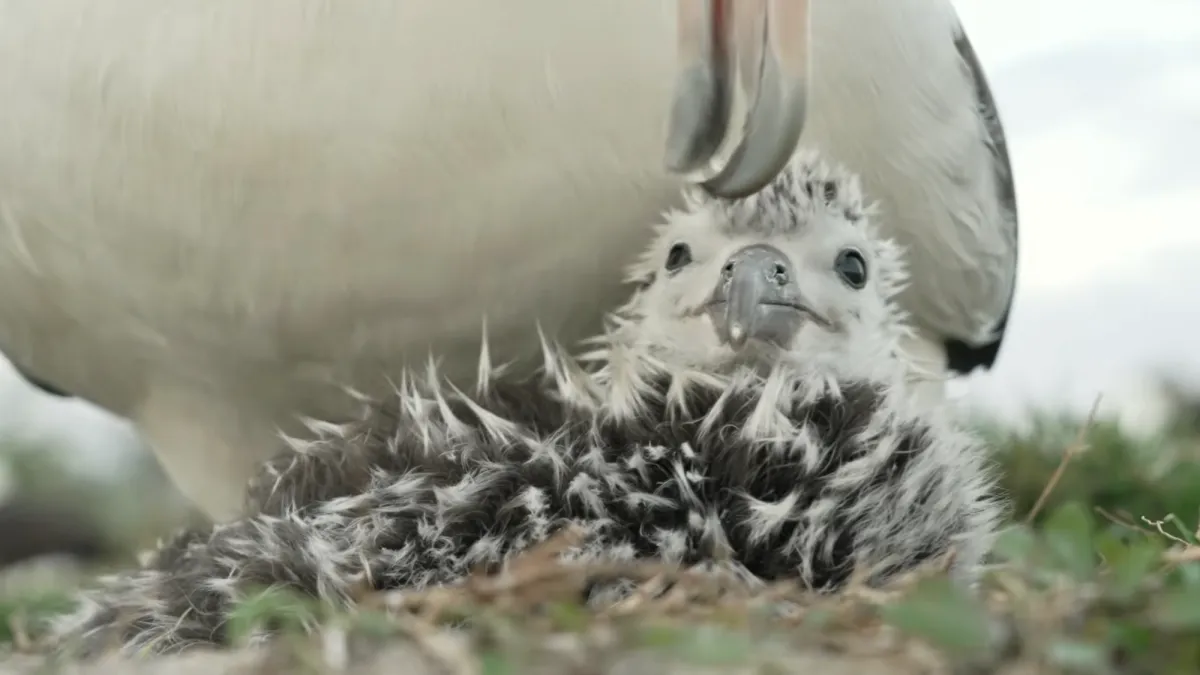
As thousands of birds nest in the warm sun of Midway Atoll, some tend to…

It is every pet owner’s worst nightmare: their beloved furry friend going…

Explore
Ever since he found a fossilized parrot mandible in 1983, Flinders University…
Plants naturally produce chemicals called alkaloids to protect themselves from threats such as insects and disease. People have relied on these same compounds for generations, using them in pain relief, medical treatments, and everyday products…