
Cucumber is an economically important crop worldwide, ranking as the third most-produced vegetable after tomatoes and onions. Yet breeding improved varieties—plants that are more resilient, produce better-shaped fruit, or are less prone to…
Category: 5. Biology
-

Breeding a better cucumber: New genetic map reveals 171,892 structural variants
-
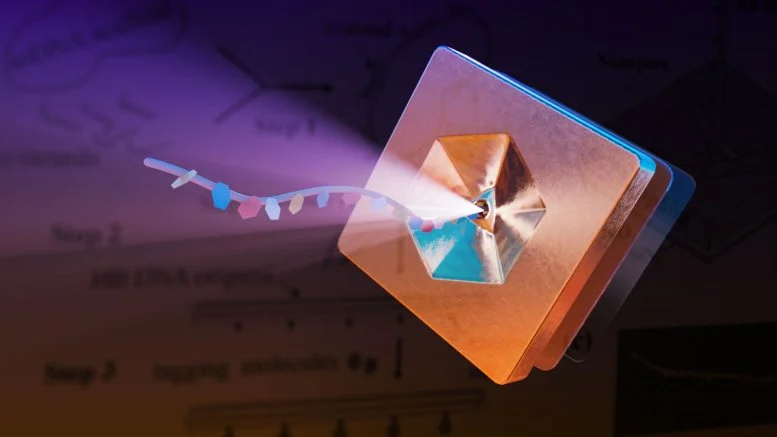
Storing the Internet in DNA? Scientists Say It’s Closer Than You Think
Scientists are exploring how DNA’s physical structure can store vast amounts of data and encode secure information. Since computers first began shaping modern society, scientists have faced two ongoing problems: finding ways to store rapidly…
Continue Reading
-
Fossil discovery suggests giant pythons once roamed Taiwan
Pythons are a common sight across much of Asia, especially in the tropical jungles and wetlands of countries like Vietnam, Thailand and Indonesia. But one curious exception has been the main island of Taiwan, where there are none of these…
Continue Reading
-
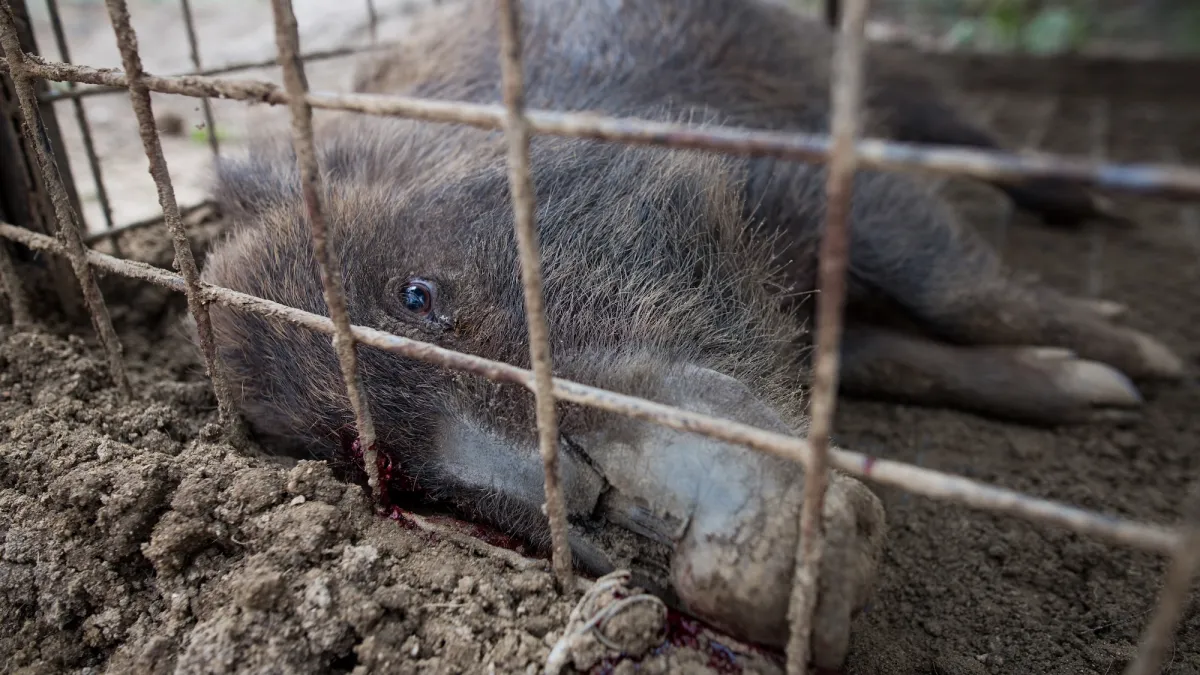
Nuclear hog hybrids are breeding at breakneck speed in Japan
In the regions surrounding the Fukushima nuclear plant disaster in northeast…
Continue Reading
-
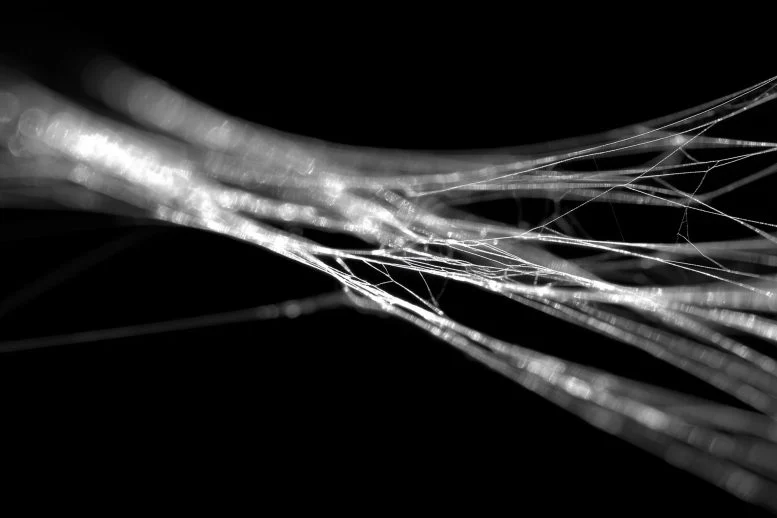
Spider Silk Is Stronger Than Steel and Now We Know Why
By uncovering the molecular interactions that give spider silk its remarkable properties, researchers have revealed principles that could inspire advanced materials and shed light on biological processes far beyond the spider’s web. Researchers…
Continue Reading
-

Video: Can robots help save farming?
When labor shortages, rising costs, and climate change collide can technology step in to save the world’s oldest industry?
Continue Reading
-
Silent witnesses: Pets offer a fur-ensic tale
New research confirms the potential for police forensic investigators to carefully consider the presence of pets at crime scenes as a credible new avenue for finding and investigating DNA leads to solve the case. The Long-running research by…
Continue Reading
-

Football-sized fossil creature may have been one of the first land animals to eat plants
Life on Earth started in the oceans. Sometime around 475 million years ago, plants began making their way from the water onto the land, and it took another 100 million years for the first animals with backbones to join them. But for tens of…
Continue Reading
-
Planting tree belts on wet farmland comes with an overlooked trade-off
A research team has conducted a study to examine how shelterbelts influence bird species diversity and composition in an agricultural wetland landscape on the western coast of central Japan. They determined that shelterbelts, trees planted to…
Continue Reading
-
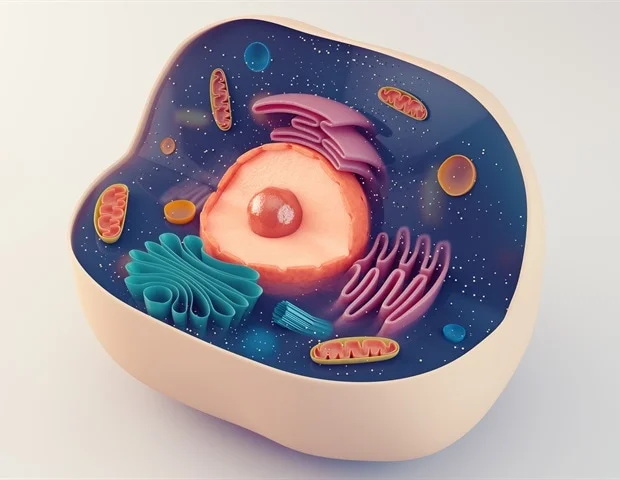
Parvovirus infection disrupts nucleolar structure and cellular balance
Research at the University of Jyväskylä (Finland) reveals that autonomous parvoviruses, such as canine parvovirus, are highly capable of affecting the internal balance of the nucleolus. The results provide new basic information…
Continue Reading