

A gene known as CTNNB1 encodes for a crucial protein called β-catenin, which has an important role in controlling tissue repair and cell growth. If this gene and its protein are dysfunctional, it can lead to…
Category: 5. Biology
-

Microplastics have reached Antarctica’s only native insect
An international team led by researchers at the University of Kentucky Martin-Gatton College of Agriculture, Food and Environment has found that Antarctica’s only native insect is already consuming microplastics, despite living in one of the most…
Continue Reading
-

Aptar Pharma’s intranasal solutions power CastleVax Phase II clinical trials for next-gen COVID-19 vaccine
In a significant step forward for mucosal immunity, Aptar Pharma has announced that its innovative nasal delivery systems are being utilized in CastleVax’s Phase II clinical trial for CVAX-01, an intranasal COVID-19 vaccine…
Continue Reading
-
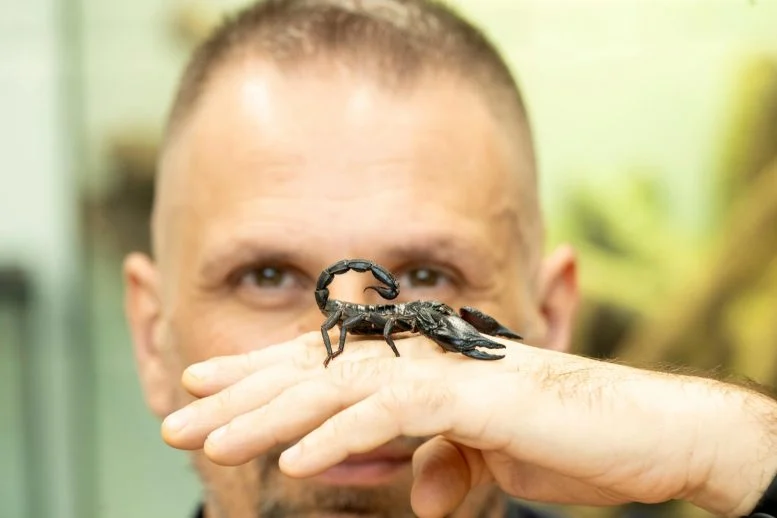
Scientists Just Found a Way to Predict Where Deadly Scorpions Will Strike
Scientists can now map deadly scorpion hotspots—offering a new weapon against one of the tropics’ most overlooked health threats. An international group of researchers has developed a way to identify and forecast hotspots for some of the…
Continue Reading
-
Study explores how reversible RNA editing could transform future cardiovascular medicine
Emerging research suggests reversible RNA editing mechanisms may influence heart disease biology while opening new avenues for biomarkers and next-generation cardiovascular therapies.
Review: RNA editing in cardiovascular health…
Continue Reading
-

Aging Rewrites the Brain’s Protein Code – and Scientists Just Found the Switch
Age-related changes in protein tagging and degradation may help explain how the brain declines over time and why diet can still influence these processes. As people grow older, the proteins that keep the brain running gradually change in both…
Continue Reading
-
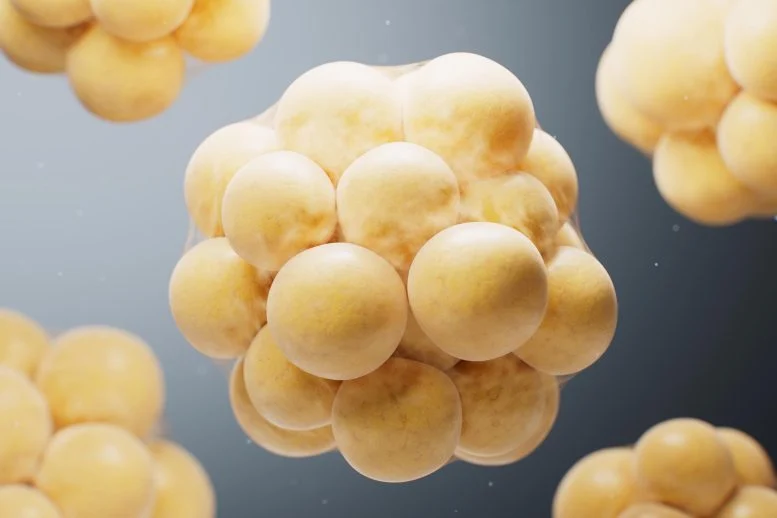
Scientists Crack a 50-Year Tissue Mystery With Major Cancer Implications
Researchers have resolved a 50-year-old scientific mystery by identifying the molecular mechanism that allows tissues to regenerate after severe damage. The discovery could help guide future treatments aimed at reducing the risk of cancer…
Continue Reading
-
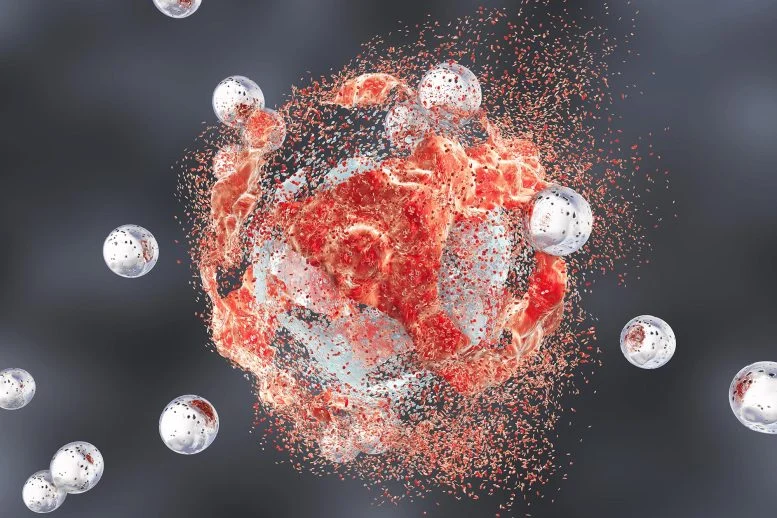
Hard-to-Treat Cancers Have a Secret Trick That Researchers Finally Cracked
New research exposes the molecular switches that let some cancers shapeshift and reveals how they might finally be stopped. Certain cancers are extremely difficult to treat, and carcinomas are among the most stubborn. Unlike many other…
Continue Reading
-
Novel marker genes for simultaneous detection of Salmonella, EHEC O157:H7, and Cronobacter
Allard, M. W. et al. Genomics of food-borne pathogens for microbial food safety. Curr. Opin. Biotechnol. 49(2), 224–229. https://doi.org/10.1016/j.copbio.2017.11.002 (2018).
Deng, L. & Wang,…
Continue Reading
-
Supercoiled DNA recognition and cleavage control in topoisomerase VI
McKie, S. J., Neuman, K. C. & Maxwell, A. DNA topoisomerases: Advances in understanding of cellular roles and multi-protein complexes via structure-function analysis. BioEssays 43, 2000286 (2021).
Continue Reading