

The notorious disease known as sleeping sickness can lurk inside a host for…
Category: 5. Biology
-

Soil bacteria break down toxic chemicals in the environment
Many aromatic compounds, such as phenols, cresols and styrenes, are toxic to organisms and harmful to the environment. They can accumulate as a result of industrial processes and harm ecosystems. Soil bacteria can help to break them down.
Continue Reading
-
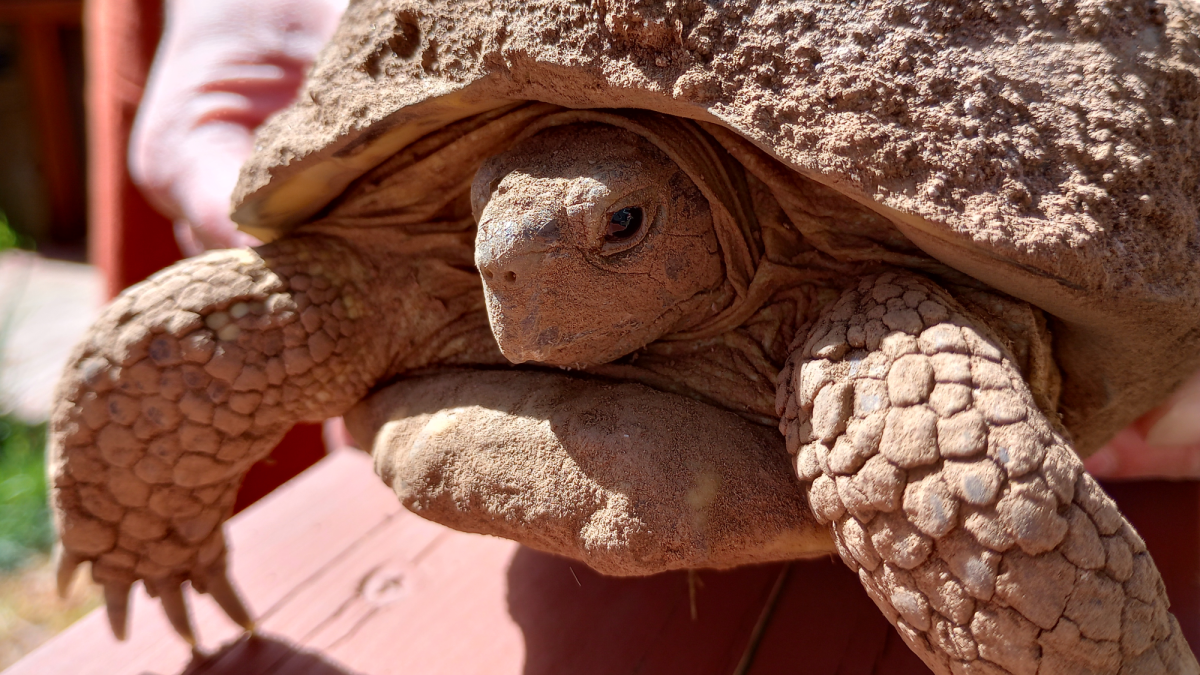
Volunteers finally find Betty White—the rescue tortoise
Betty White spent the winter hiding from the authorities. The roughly…
Continue Reading
-

Potential disease marker, therapeutic target for cats with osteoarthritis identified
By comparing osteoarthritis pain pathways known to be active in dogs and humans to those in cats with degenerative joint disease (DJD), researchers found that elevation of a particular molecule, artemin, could serve as a marker of disease (and…
Continue Reading
-

New discoveries are showing how human anatomy is far from settled
Leaf through a textbook, watch a wellness influencer, or listen in at the gym, and it can feel as though the human body has already been mapped to exhaustion. Every muscle named, every nerve traced. Everything understood and readily available.
Continue Reading
-
Location matters: How one fat molecule can help trigger both cell limbo and cell death
When cells experience enough chronic stress, they can stop dividing permanently. In this state of cellular limbo, known as replicative senescence, cells remain alive but no longer proliferate. Pinpointing the stressors that help trigger or…
Continue Reading
-
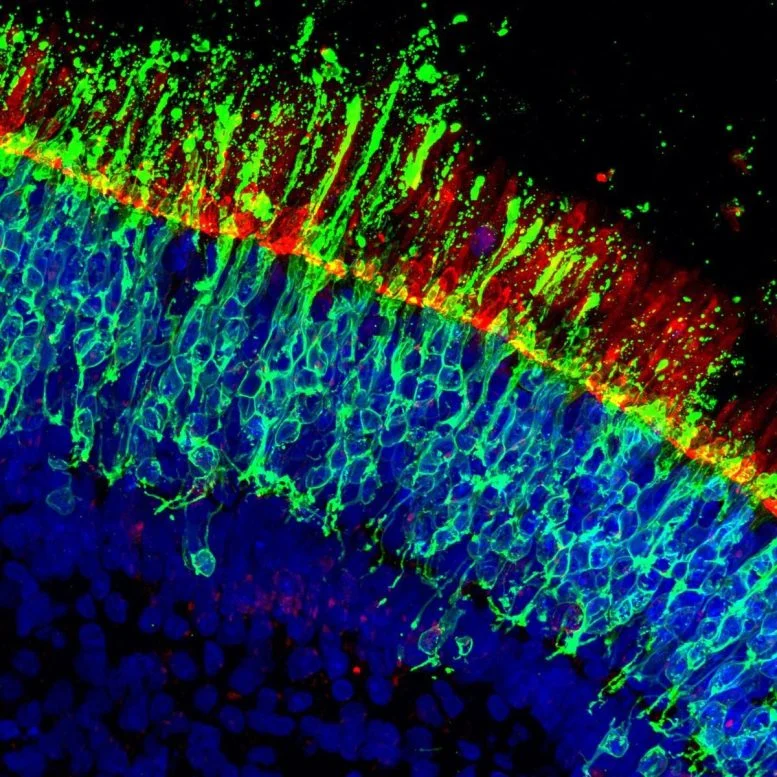
Scientists Discover How to Stop Vision Loss Before It Starts
Scientists have identified molecules that can protect the eye’s cone cells from degeneration, a major cause of vision loss. The discovery points to new drug targets—and even uncovers compounds that may be harmful. Researchers led by Botond…
Continue Reading
-
Ancient predator species discovered in South Africa challenges what we know about gorgonopsians
In a study published in The Anatomical Record, researchers have identified a new species of large-bodied gorgonopsian from the middle Permian. The discovery pushed back the known origins of when these apex predators began evolving large bodies…
Continue Reading
-

Autism risk genes are largely consistent across different human ancestries
A new study, co-led by researchers at the Icahn School of Medicine at Mount Sinai and published March 30 in Nature Medicine [https://doi.org/ 10.1038/s41591-026-04228-6], demonstrates that genes associated with autism risk are…
Continue Reading
-

Mount Sinai researchers identify a highly prevalent recessive neurodevelopmental disorder
Researchers at the Icahn School of Medicine at Mount Sinai in New York have identified and described a previously unknown recessive neurodevelopmental disorder (NDD) that appears to be the most prevalent ever discovered. The…
Continue Reading