
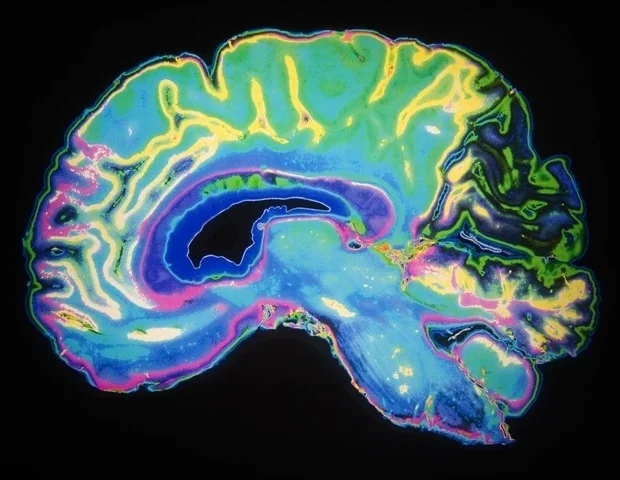
The brain does not only communicate through fast electrical impulses; it also relies on slower, more diffuse chemical signals that modulate our emotional and social states over time. A study led by the Institute for Neurosciences…
Category: 5. Biology
-
Call me invasive: New evidence confirms the status of the giant Asian mantis in Europe
In the realm of entomology, few creatures command as much fascination as the mantis. Throughout history, these striking insects have been deeply woven into local myths and legends, sometimes respected as mystical soothsayers that can guide lost…
Continue Reading
-

The environmental impacts of where your apples are grown
New research from Cranfield University has analyzed the environmental impact of fresh apples sold in the U.K., comparing the greenhouse gas emissions and blue water scarcity across domestic production and imports from Europe and the Southern…
Continue Reading
-

IFN-γ identified as alzheimer’s disease blood biomarker
A new study uncovers interferon gamma as both a powerful blood-based signal of Alzheimer’s disease (AD) and a potential mechanistic bridge between genetic risk and damaging microglial inflammation in the brain.
Study:
Continue Reading
-

Sudan's historic acacia forest devastated as war fuels logging
Vast stretches of a once-verdant acacia forest south of Sudan’s capital Khartoum have been reduced to little more than fields of stumps as nearly three years of conflict have fueled deforestation.
Continue Reading
-
As worker safety scrutiny intensifies, Mesa Labs reinforces why primary standard calibration is the only line of defense
Mesa Laboratories, Inc., a global leader in the design and manufacture of life science tools and critical quality control solutions, today announced a renewed commitment to advancing primary standard calibration technology through…
Continue Reading
-
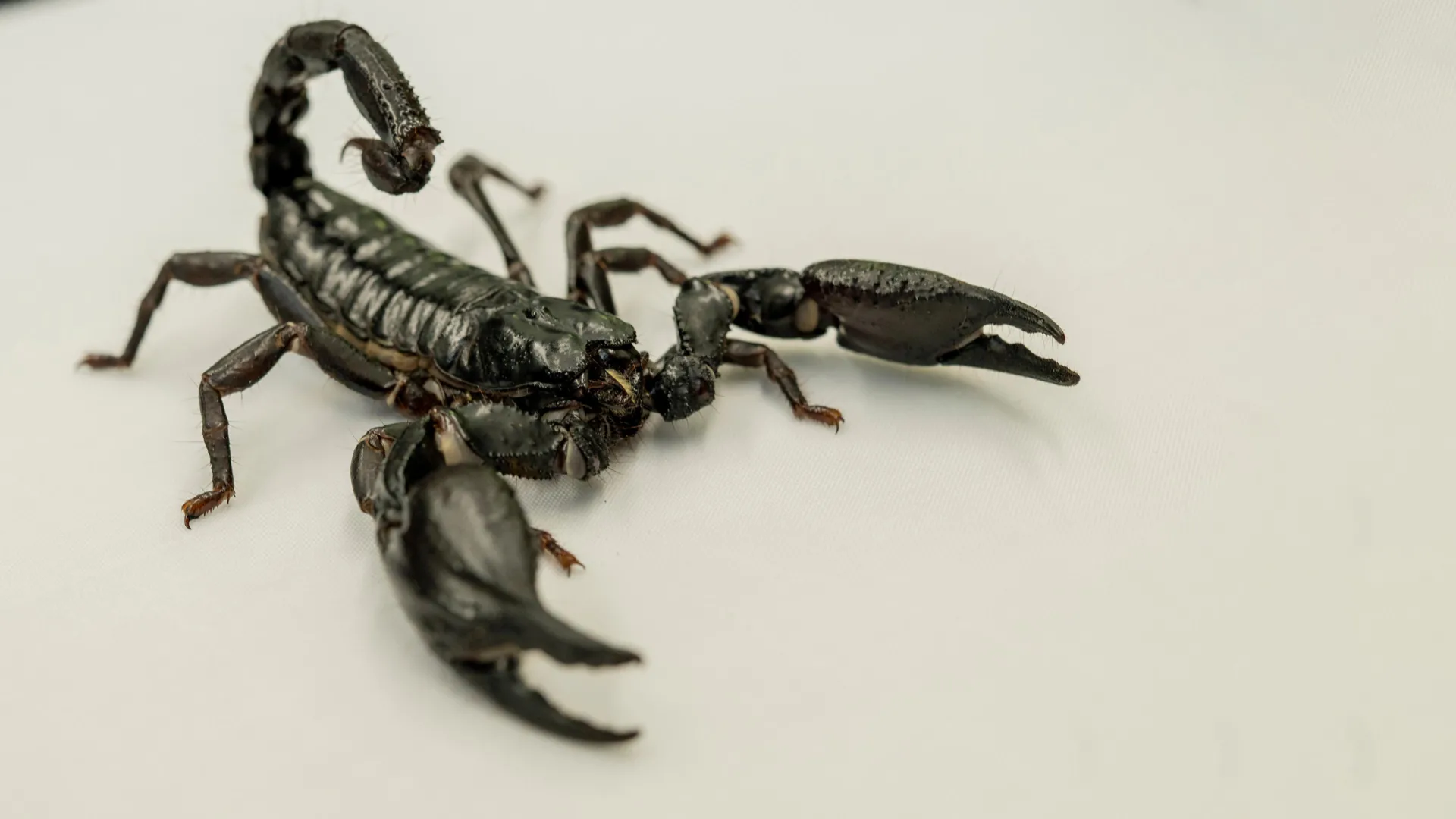
New map reveals where lethal scorpions are most likely to strike
An international team of researchers has developed a method to identify and forecast hotspots for some of the most dangerous scorpion species on Earth.
By examining environmental conditions, the scientists determined which factors allow highly…
Continue Reading
-
New farm accounting method measures natural capital across 50 Australian farms
La Trobe University researchers have developed a new way to measure and report the environmental performance of farms in a move that could pave the way for future “sustainability ratings” on consumer food and fiber products. Published in Methods…
Continue Reading
-
Will natural gas exports wreck the Gulf of California ecosystem?
As the effects of climate change intensify, it has become standard practice for major corporations to pledge their support for environmental sustainability. This is as it should be, because genuine corporate engagement is essential to the success…
Continue Reading
-
What freezing plants in blocks of ice can tell us about the future of Svalbard's plant communities
How will a warming Arctic affect plant growth on Svalbard? Researchers encased plant plots in a thick layer of ice during the winter and used little greenhouses to heat up those plots in the summer. The surprise? The plants that got the harshest…
Continue Reading