
A new study suggests that babies are able to distinguish between the different objects they see around them at 2 months old, which is earlier than scientists previously thought.
Category: 5. Biology
-

2-month-olds see the world in a more complex way than scientists thought, study suggests
-
These shy, scaly anteaters are the most trafficked mammals in the world
They are hunted for their unique scales, and the demand makes them the most trafficked mammal in the world. Wildlife conservationists are again raising the plight of pangolins, the shy, scaly anteaters found in parts of Africa and Asia, on World…
Continue Reading
-
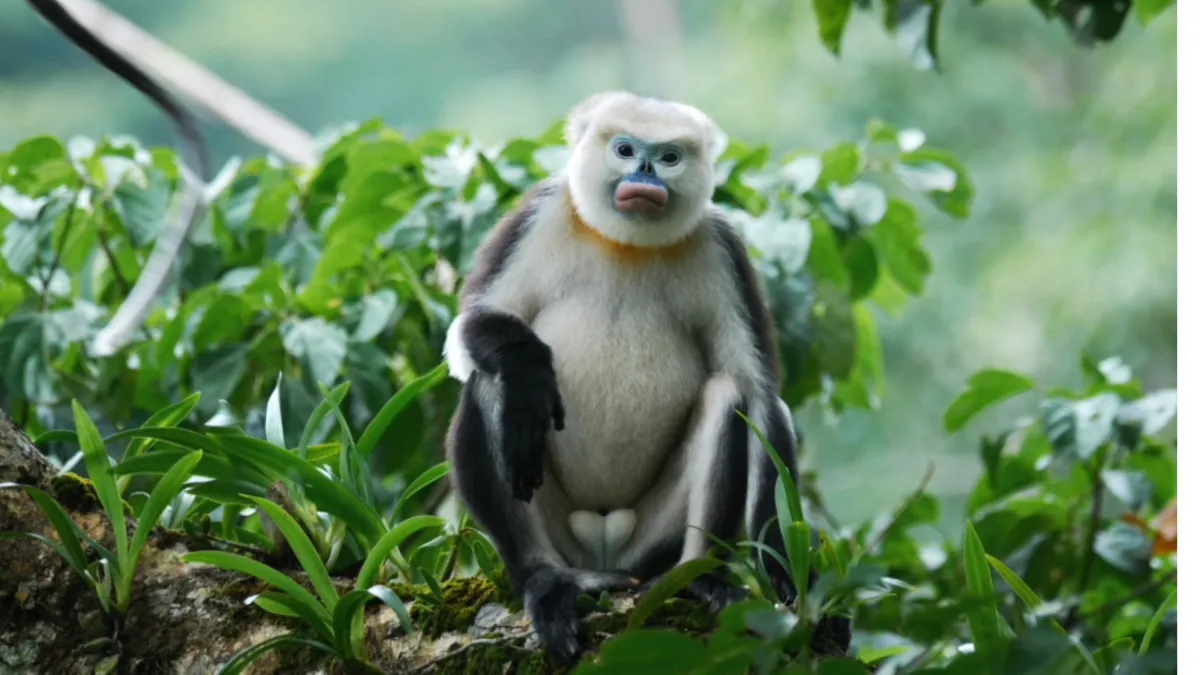
Blue-faced, puffy-lipped monkey scores a rare conservation win
For once, there’s good news in animal conservation. A population of Tonkin…
Continue Reading
-

Mirror image pheromones help beetles 'swipe right' to find mates
There are many ways to communicate with prospective romantic partners. If you are a Japanese scarab beetle, it’s a matter of distinguishing left from right. New work from U.S. and Chinese scientists, published this week in Proceedings of the…
Continue Reading
-

A hidden reason inner ear cells die—and what it means for preventing hearing loss
Proteins long known to be essential for hearing have been hiding a talent: they also act as gatekeepers that shuffle fatty molecules across cell membranes. When this newly discovered function goes haywire—due to genetic mutations, noise-induced…
Continue Reading
-
New microscopy technique lets scientists see cells in unprecedented detail and color
Scientists have developed a new imaging technique that uses a novel contrast mechanism in bioimaging to merge the strengths of two powerful microscopy methods, allowing researchers to see both the intricate architecture of cells and the specific…
Continue Reading
-

How your body knows when to stop scratching
Cold, dry winter weather can wreak havoc on our skin, drying it out and…
Continue Reading
-
How your body senses cold—and why menthol feels cool
When you step outside on a winter morning or pop a mint into your mouth, a tiny molecular sensor in your body springs into action, alerting your brain to the sensation of cold. Scientists have now captured the first detailed images of this sensor…
Continue Reading
-
How tuberculosis bacteria use a 'stealth' mechanism to evade the immune system
Scientists have uncovered an elegant biophysical trick that tuberculosis-causing bacteria use to survive inside human cells, a discovery that could lead to new strategies for fighting one of the world’s deadliest infectious diseases.
Continue Reading
-
Single prenatal exposure to fungicide linked to disease across 20 generations
A single exposure to a toxic fungicide during pregnancy can increase the risk of disease for 20 subsequent generations – with inherited health problems worsening many generations after exposure.
Those are the findings of a new…
Continue Reading