
Jappe, U. Pathological Mechanisms of Acne with Special Emphasis on Propionibacterium acnes and Related Therapy. Acta Derm. Venereol. 83, 241 (2003).
Morshed, S. M. Understanding the impact of…
Jappe, U. Pathological Mechanisms of Acne with Special Emphasis on Propionibacterium acnes and Related Therapy. Acta Derm. Venereol. 83, 241 (2003).
Morshed, S. M. Understanding the impact of…
Cheng, X. et al. Quercetin: A promising therapy for diabetic encephalopathy through inhibition of hippocampal ferroptosis. Phytomedicine 126, 154887 (2024).
Su, M. et al. Astragalus improves…
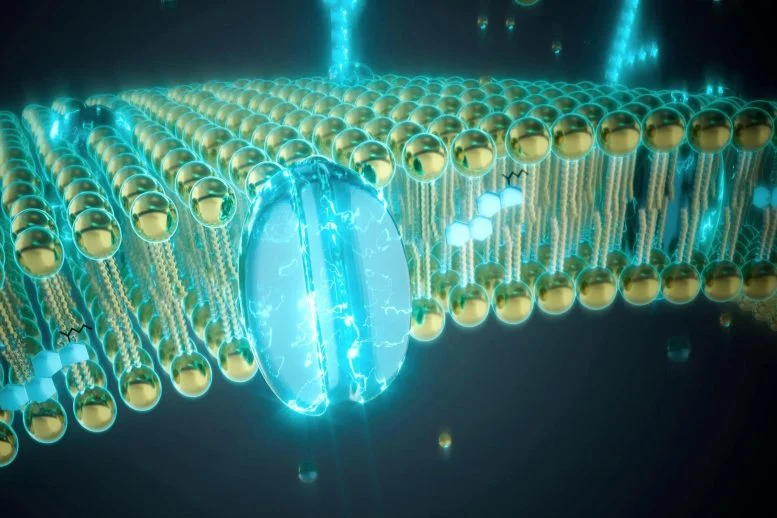
A long-standing mystery about cell membrane behavior may finally be resolved. Cell membranes are the thin, flexible skins that surround living cells. They protect what is inside, control what gets in and out, and can even shape how a cell…
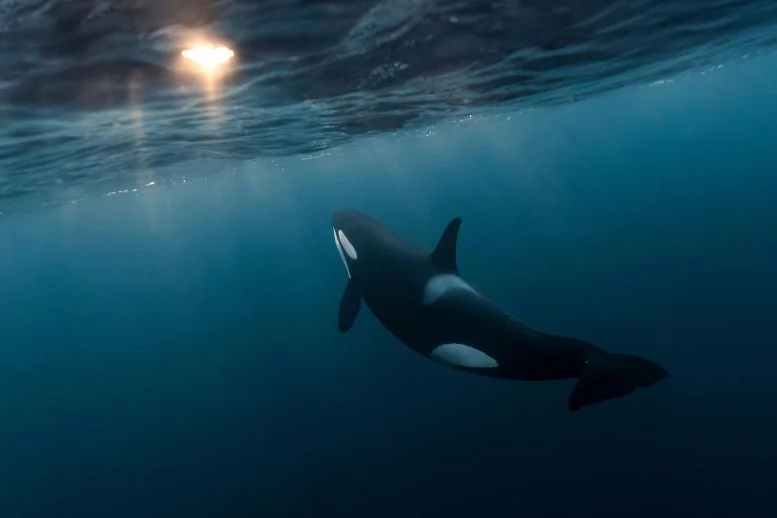
A widely publicized killer whale attack once seemed to explain why white sharks disappeared from a key aggregation site. Long-term tracking now suggests the reality is more nuanced. Killer whales (Orcinus orca) are known to drive white sharks…
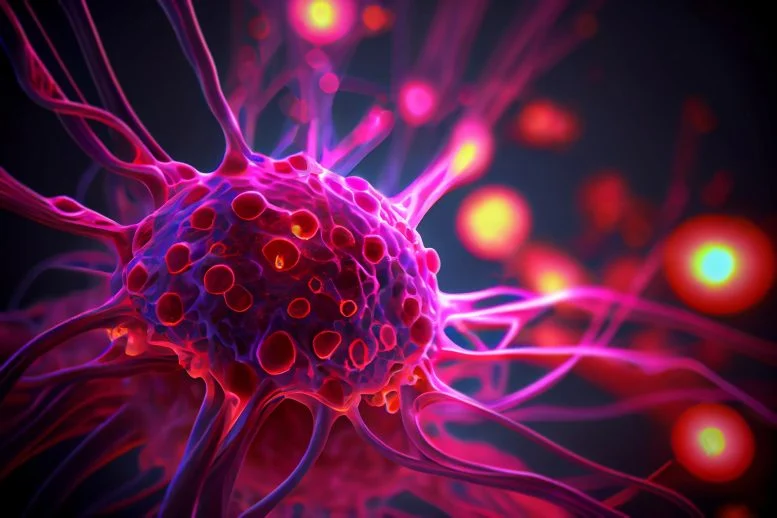
Scientists have uncovered an unexpected reason why some cancers return after initially responding to treatment. One of the toughest obstacles in modern cancer treatment is drug resistance. Tumors often respond at first, only to return later in a…

When most people think about natural selection, they imagine individuals competing with one another: The fastest animal escapes predators, the strongest plant produces more seeds, and the most resistant bacteria better survive antibiotics….
The laser you see in the photo above may one day enhance images taken by the most powerful microscopes in biology. This advancement, detailed in a paper published in eLife from scientists at Columbia’s Zuckerman Institute with the Maxson lab at…

Humans tend to fear bed bugs, and rightly so. The bloodsuckers are tough to get rid of once they’ve entered a home. But new research has, for the first time, identified one thing the bugs seem to fear—water and wet surfaces.
A study from an international team of experts in veterinary medicine, human medicine and genomics provides the first large-scale genetic map of feline cancer, revealing that cats may hold the key to understanding several human cancers.

As the Atlantic warms, many fish along the east coast of North America have moved northward to keep within their preferred temperature range. Black sea bass, for instance, have shifted hundreds of miles up the coast.