

A study published in Environmental and Biogeochemical Processes determined that iron-fortified, low-temperature biochar can immobilize per- and polyfluoroalkyl substances (PFAS) in contaminated soils. The…
Category: 5. Biology
-
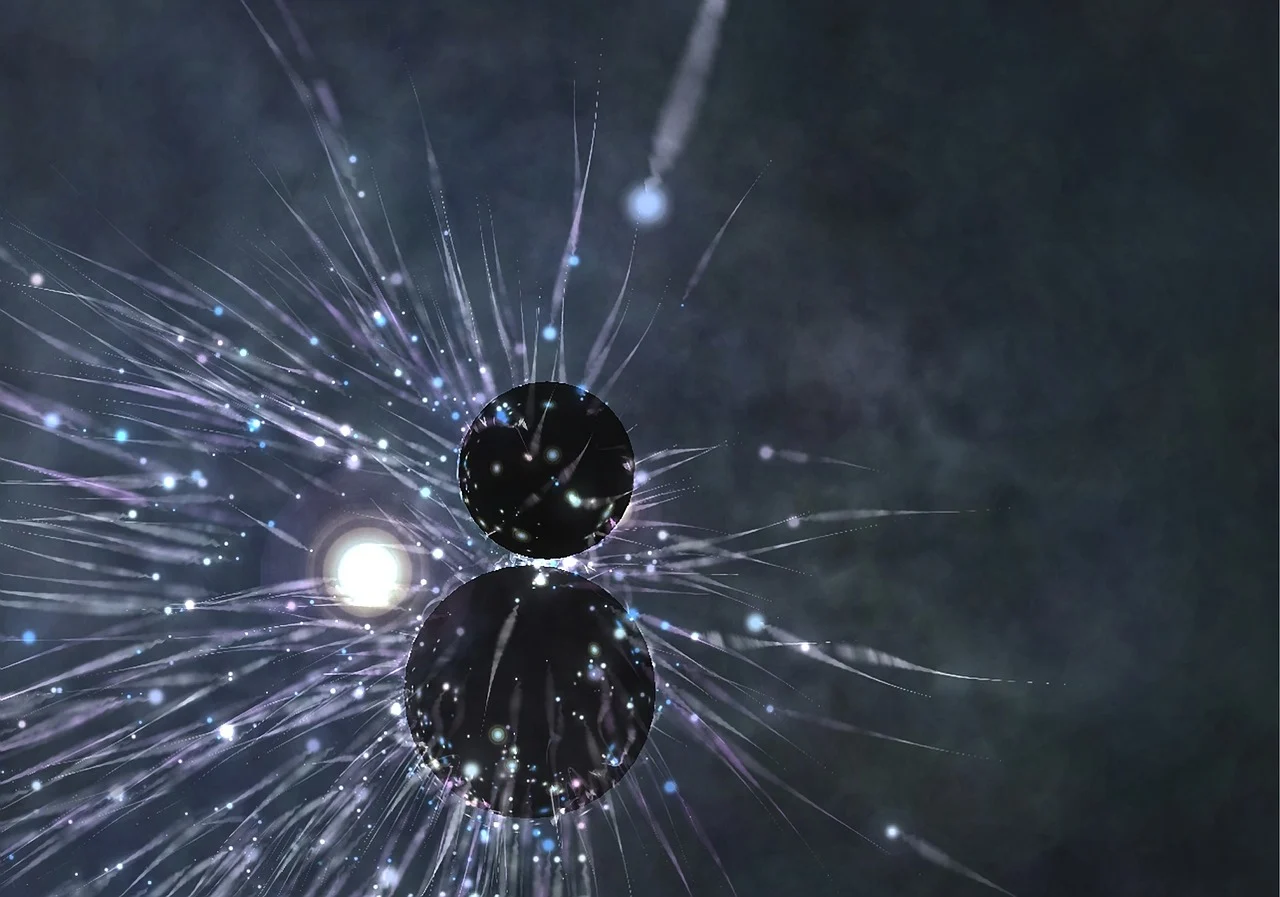
Cleaner hulls, safer seas? How eDNA checks could spot invasive species early
Antarctic scientists have trialed a DNA “barcoding” technique that could improve biosecurity measures that help protect polar ecosystems from invasive marine species. The research, led by Australian Antarctic Program scientists, used…
Continue Reading
-
What banana-scented kombu means for probiotic foods and seaweed-based drinks
Kombu (Saccharina japonica) is a brown seaweed extensively cultivated and consumed in Japan, Korea and China. Despite its nutritional value, its strong fishy and grassy odor can deter some consumers. Additionally, many of kombu’s nutrients are…
Continue Reading
-

Good fungus may one day help save plants from bad fungus like deadly myrtle rust disease
What do coffee, sugar, wheat, soy, eucalypts and paperbarks all have in common?
Continue Reading
-
Shining a light on the secret life of carbon dioxide in cells
Carbon dioxide (CO₂) connects us to the natural world: What we breathe out becomes fuel for forests. But inside our own bodies, CO₂ has a secret life. It sparks chemical reactions, shapes metabolism, and may even act as a signaling…
Continue Reading
-

Syndex Bio unveils mcPCR technology at AGBT 2026 following $15.5 M seed financing
Syndex Bio, a biotechnology company advancing next‑generation molecular diagnostics, today announced the introduction of its proprietary mcPCR™ (methyl‑copying PCR) platform at the Advances in Genome Biology and Technology…
Continue Reading
-
Artificial rivers and lakes can help keep freshwater mussel populations afloat
Researchers at Murdoch University have found that artificial waterbodies could play a crucial role in slowing the decline of Carter’s freshwater mussel (Westralunio carteri), a vulnerable species of freshwater mussel found only in southwestern…
Continue Reading
-
NUS scientists transform kombu into a probiotic superfood with fruity aromas
Kombu (Saccharina japonica) is a brown seaweed extensively cultivated and consumed in Japan, Korea and China. Despite its nutritional value, its strong fishy and grassy odor can deter some consumers. Additionally, many of kombu’s…
Continue Reading
-
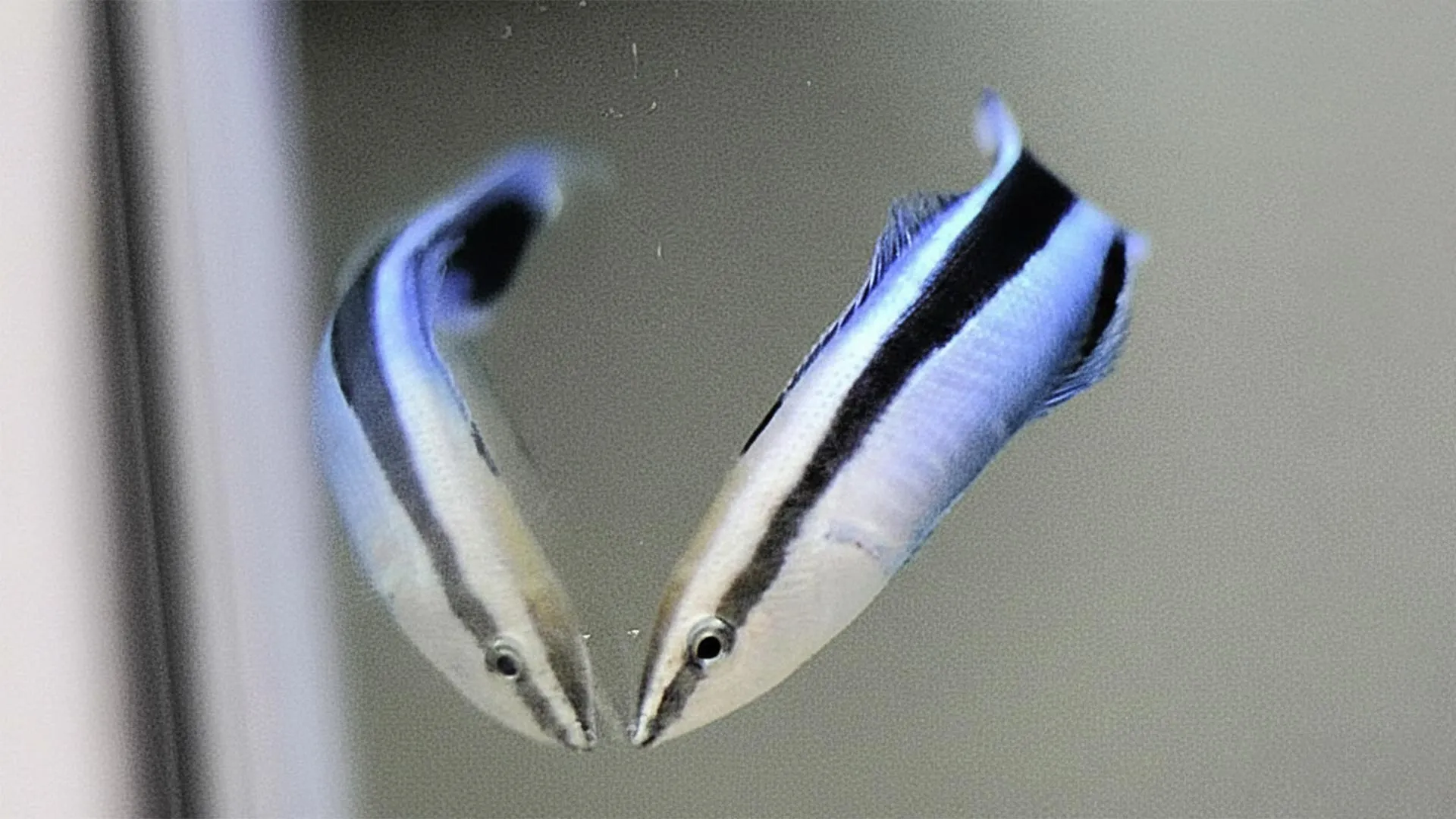
Cleaner wrasse show self awareness in stunning mirror experiments
Scientists at Osaka Metropolitan University in Japan have identified a newly documented behavior in cleaner wrasse (Labroides dimidiatus). When the small reef fish were given access to a mirror, they did more than simply recognize their…
Continue Reading
-
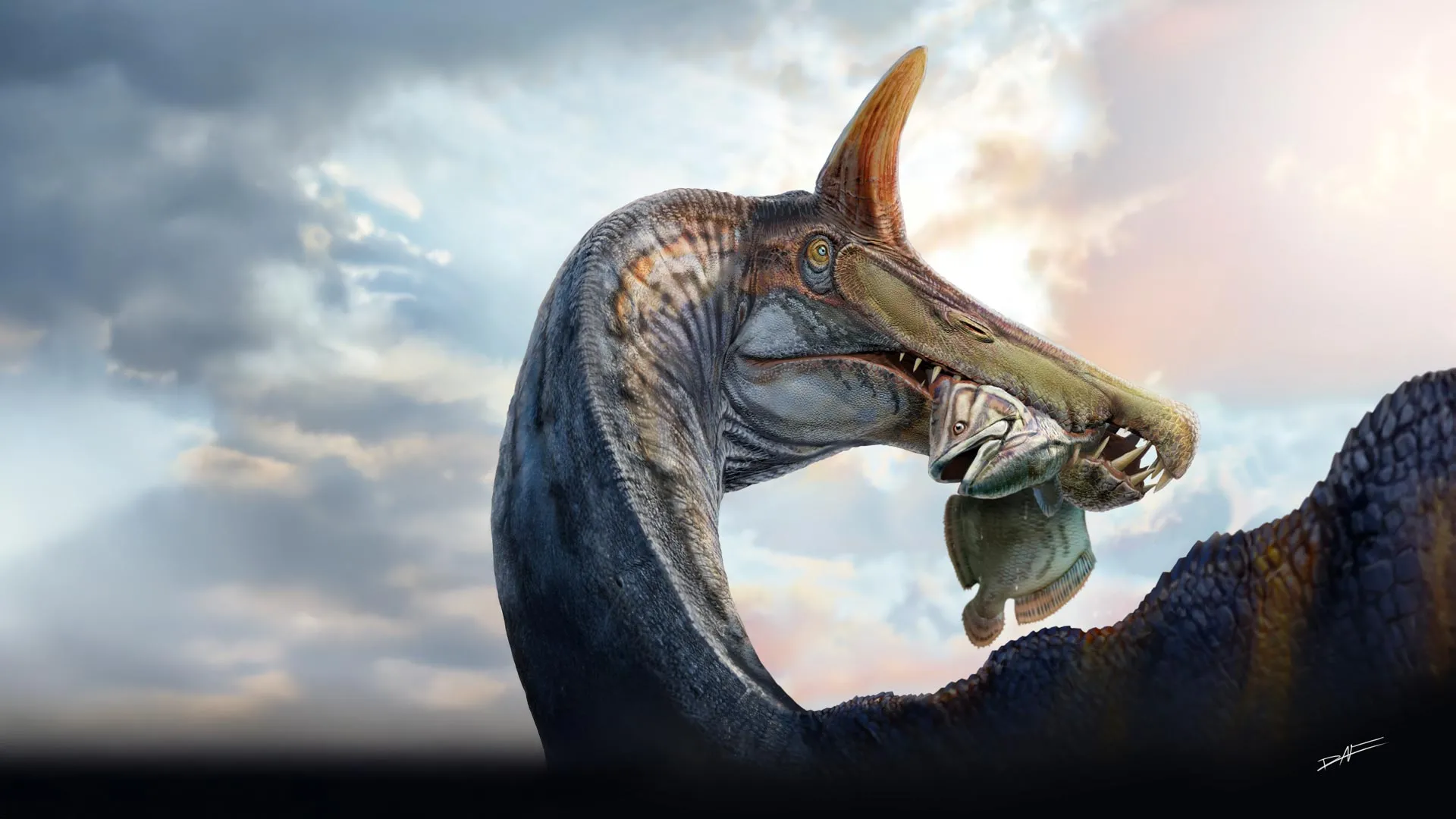
A giant blade-crested spinosaurus, the “hell heron,” discovered in the Sahara
A newly published study in Science announces the discovery of Spinosaurus mirabilis, a previously unknown species of spinosaurid dinosaur uncovered in Niger. The fossils were excavated in a remote region of the central Sahara by a 20 member…
Continue Reading