
Ehime University investigators measured 34 per- and polyfluoroalkyl substances in 100 commercial dog and cat foods sold in Japan and detected PFAS across many products, with higher concentrations in fish-based foods and dry products, and higher…
Category: 5. Biology
-

PFAS exposure greater in wet pet food, study suggests
-
Bioengineered neuronal 'circuit board' mimics conditions of the human brain
A new bioengineered neuronal circuit board “BioConNet” allows scientists to artificially engineer human brain-like wiring at scale and can be used to engineer any possible circuit. The fully programmable, open-source system allows generation of…
Continue Reading
-
Global review finds human noise disrupts birds and cuts breeding success
Noise pollution is affecting bird behavior across the globe, disrupting everything from courtship songs to the ability to find food and avoid predators, a large-scale new analysis showed on Wednesday.
Continue Reading
-
Roadkill research offers ethical alternative to live capture in some wildlife studies
Hundreds of millions of animals are killed on our roads each year. Now, scientists have revealed how these deaths could play an unexpected role advancing wildlife science and conservation.
Continue Reading
-
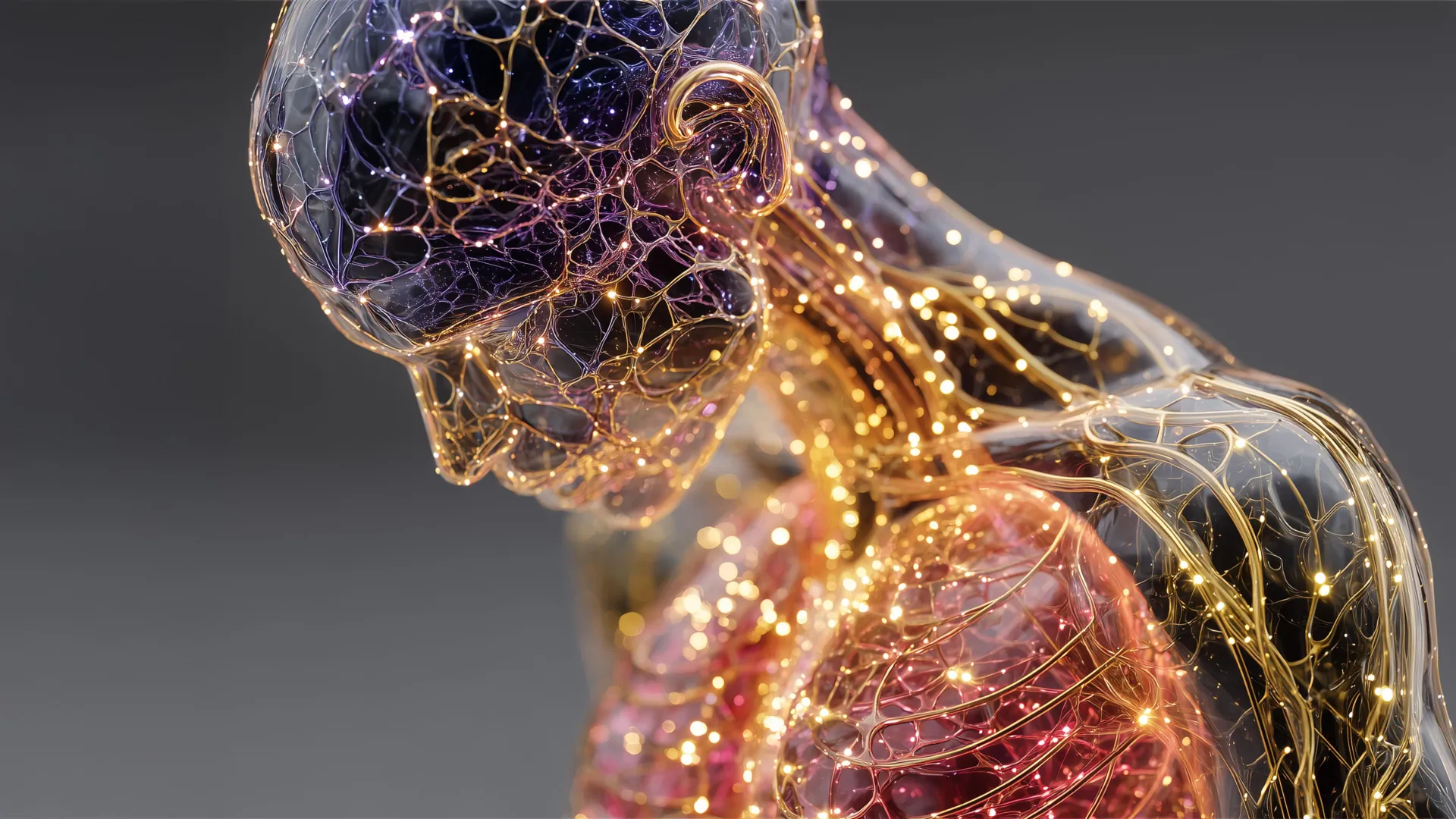
How the body really ages: 7 million cells mapped across 21 organs
Growing older brings a higher risk of serious illnesses such as cancer, heart disease, and dementia. For years, researchers have tackled these conditions individually. Now, many scientists are stepping back to ask a broader question. Instead of…
Continue Reading
-
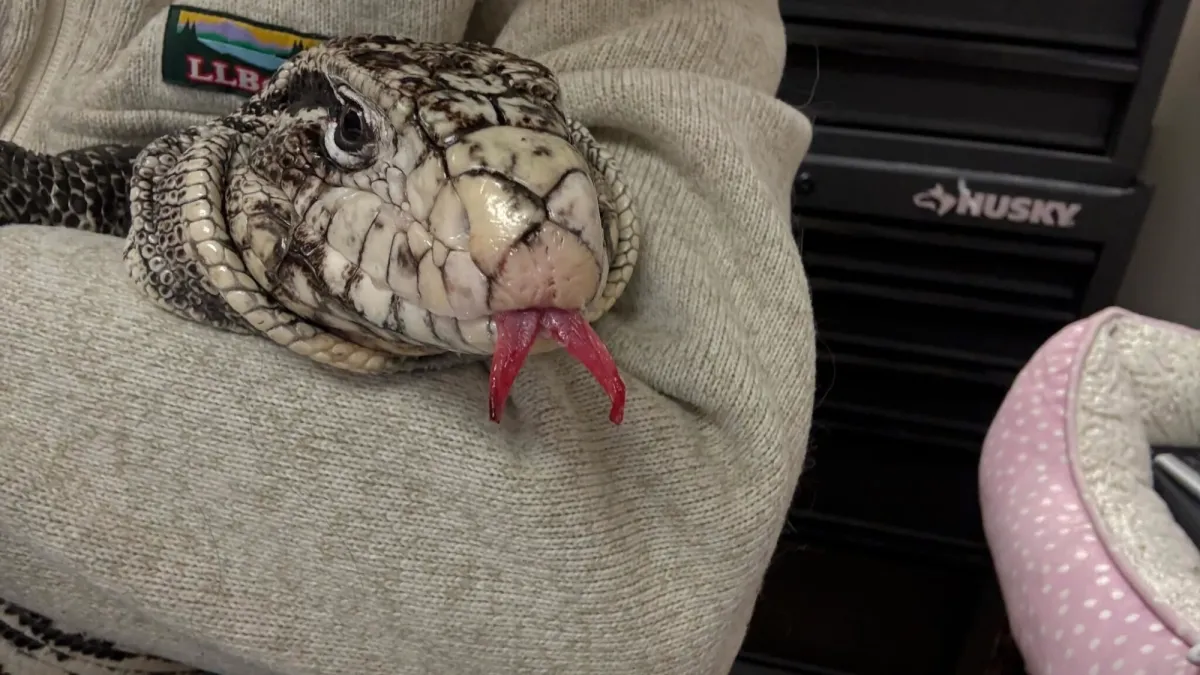
Frostbitten lizard found in Rhode Island is healing
While shoveling his driveway during yet another winter storm, a man in…
Continue Reading
-
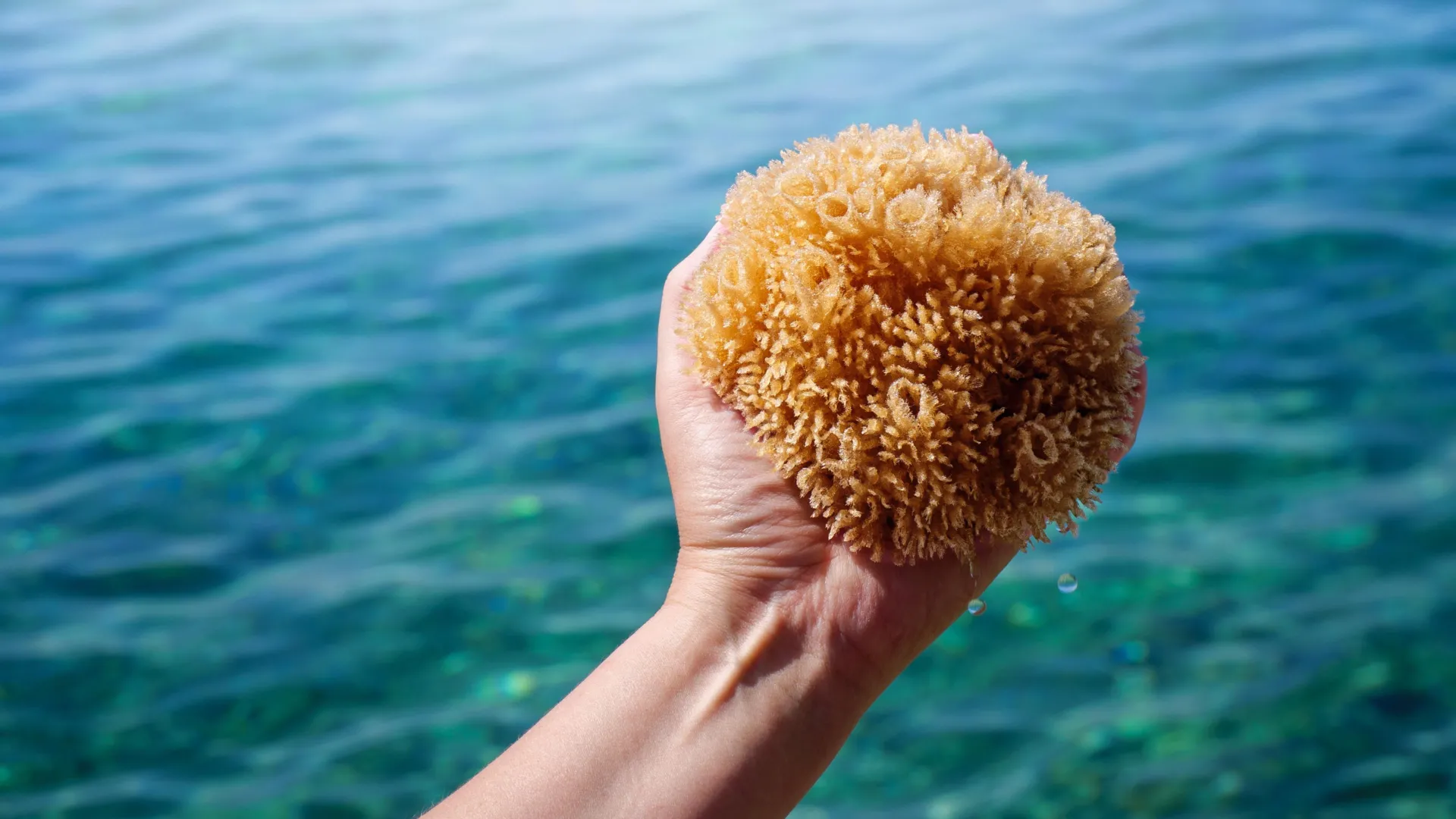
The first animals on Earth had no skeletons and that changes everything
Sponges rank among the oldest known animals on Earth, yet scientists have struggled to pinpoint exactly when they first appeared. DNA from living sponges and chemical traces preserved in ancient rocks indicate they emerged at least 650 million…
Continue Reading
-
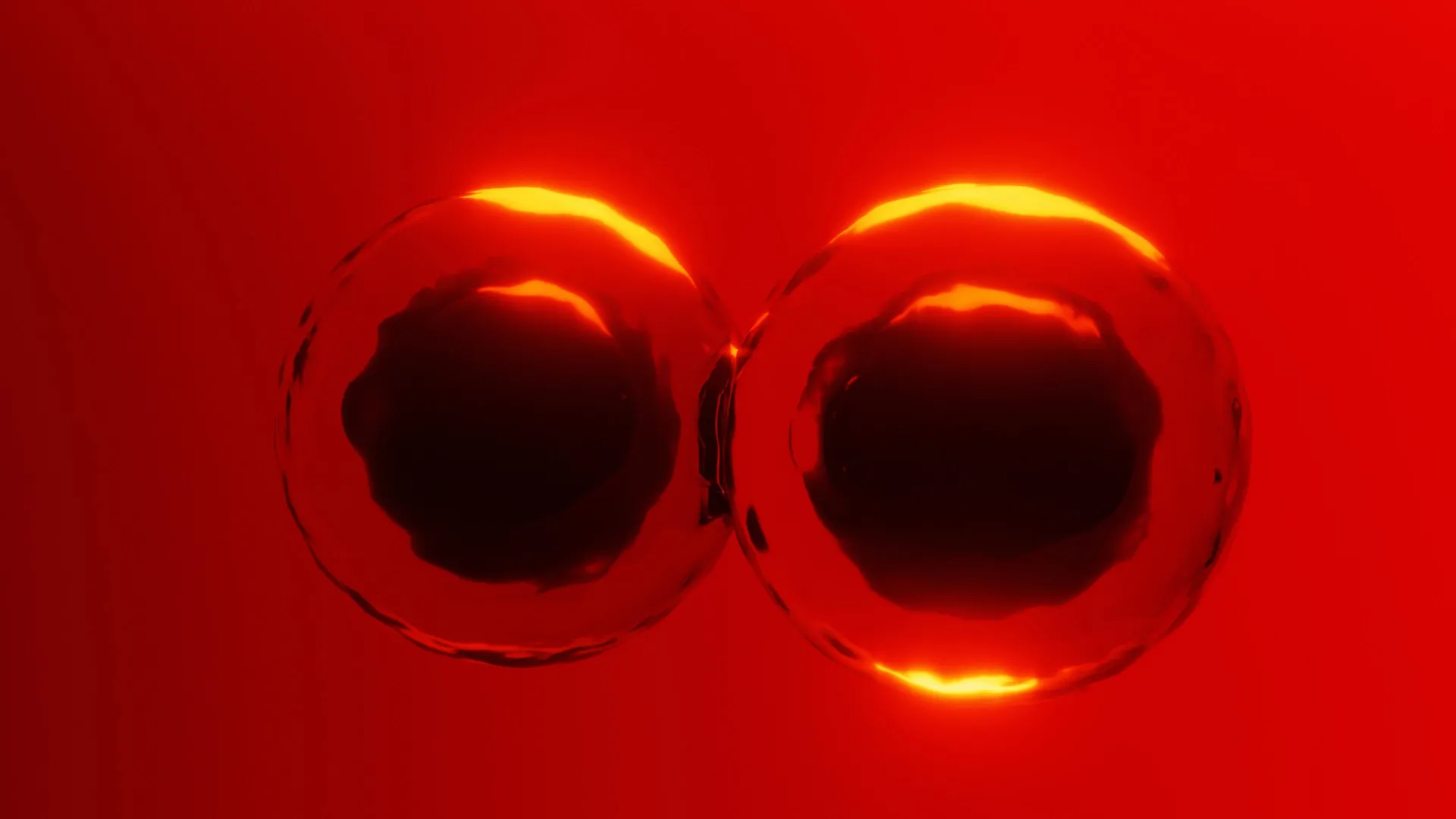
Textbooks challenged by new discovery about how cells divide
Cell division is fundamental to life, yet scientists have struggled to fully explain how it works in the earliest stages of embryonic development, especially in egg laying animals. Researchers from the Brugués group at the Cluster of Excellence…
Continue Reading
-
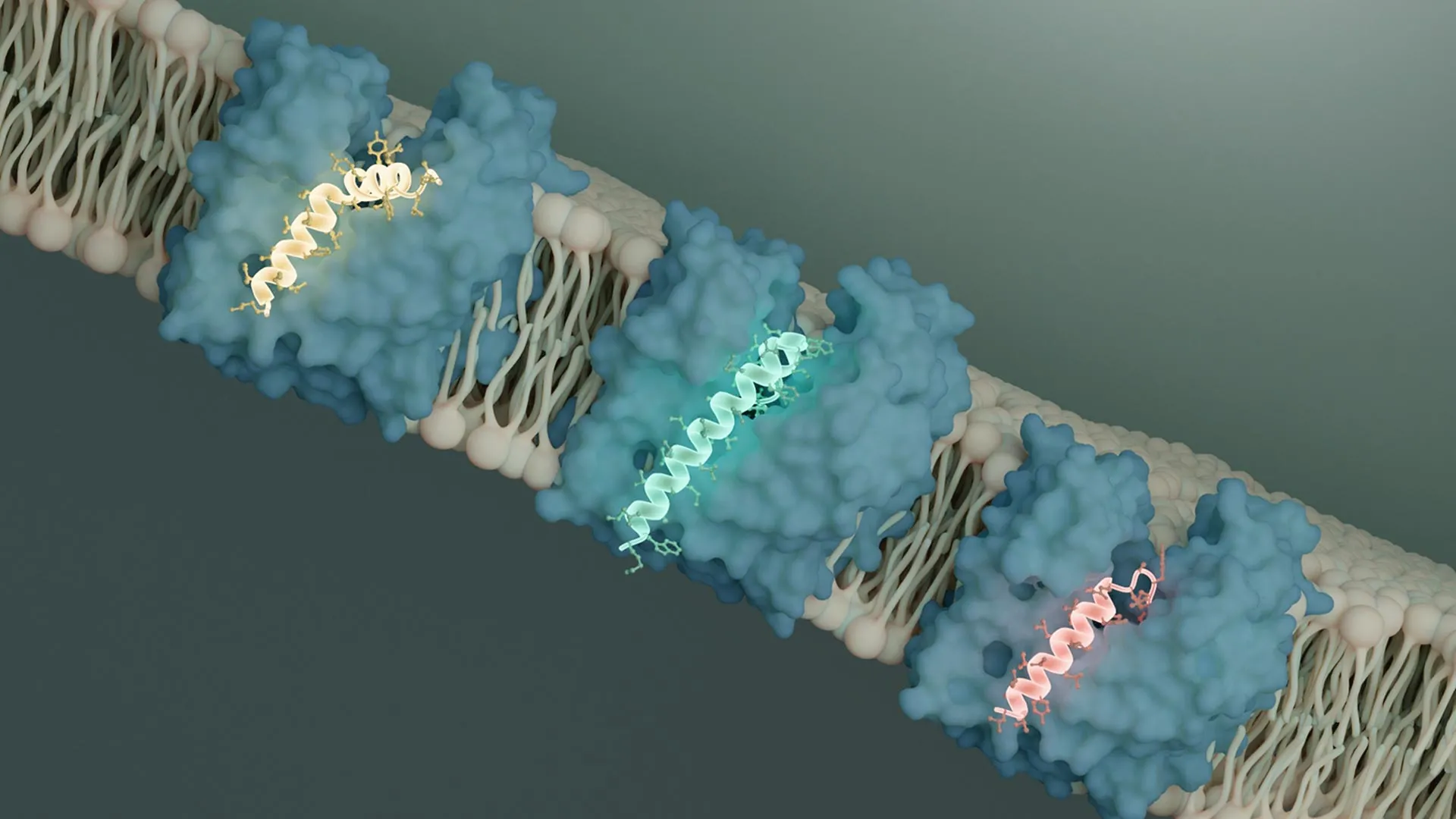
Scientists discover a bacterial kill switch and it could change the fight against superbugs
Scientists have revealed how viruses that infect bacteria shut down MurJ, a protein essential for building the bacterial cell wall. Remarkably, different viruses evolved separate proteins that all block MurJ in the same way, highlighting it as a…
Continue Reading
-
Stale bread and bacteria could power a new era in green chemicals
Scientists have found a way to use common bacteria as tiny, green chemical factories to replace a process that currently relies on fossil fuels. In industrial hydrogenation, the hydrogen added to molecules to create products such as plastics,…
Continue Reading