
Antisense oligonucleotides (ASOs), used to treat genetic diseases, can affect how cells repair damage to their DNA. This is shown in a new study from Karolinska Institutet, published in Nature Communications. The findings may have implications…
Category: 5. Biology
-

Synthetic gene medicines may disrupt DNA repair
-

Blasted off Mars and still alive
Science News
from research organizations
A super-tough microbe survived Mars-level impact forces, hinting that life might leap from planet to planet.
- Date:
- March 3, 2026
- Source:
Continue Reading
-
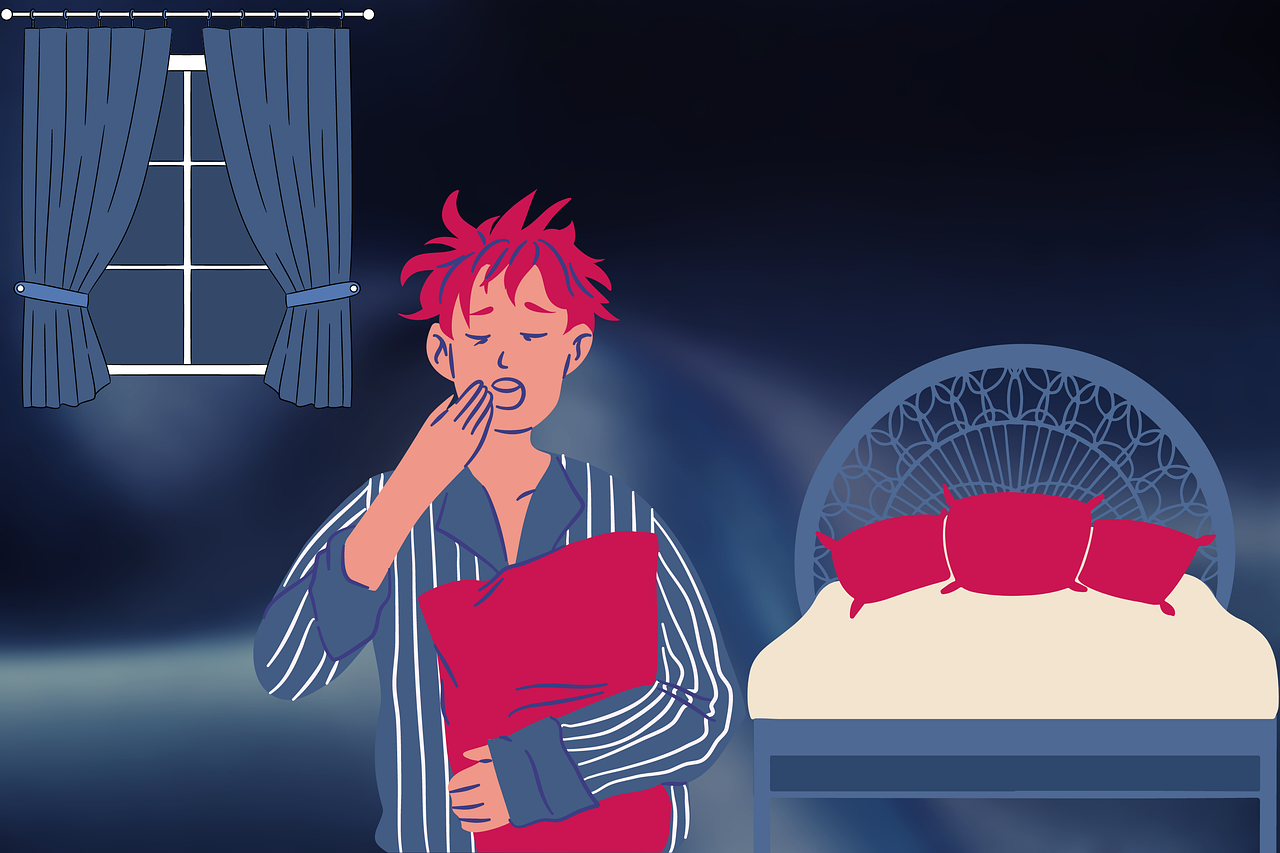
Medical Cannabis Improves Sleep for Patients With Insomnia
A study published in PLoS Mental Health indicated that cannabis-based medicinal products (CBMPs) enhanced sleep quality for patients diagnosed with insomnia. A United Kingdom-based research team examined the…
Continue Reading
-

Exploring Effects, Contamination, & Detection of PFAS
Unlock eBook ALREADY ACCESSED THIS eBook?
SIGN INPFAS are highly persistent environmental contaminants that accumulate in soils and sediments,…
Continue Reading
-

Researchers engineer cold-tolerant proteins to give US an Arctic edge
As the Arctic region becomes increasingly contested, the U.S. military faces a new era of challenges in one of the world’s most inhospitable environments. Researchers at the Johns Hopkins Applied Physics Laboratory (APL) in Laurel, Maryland, are…
Continue Reading
-
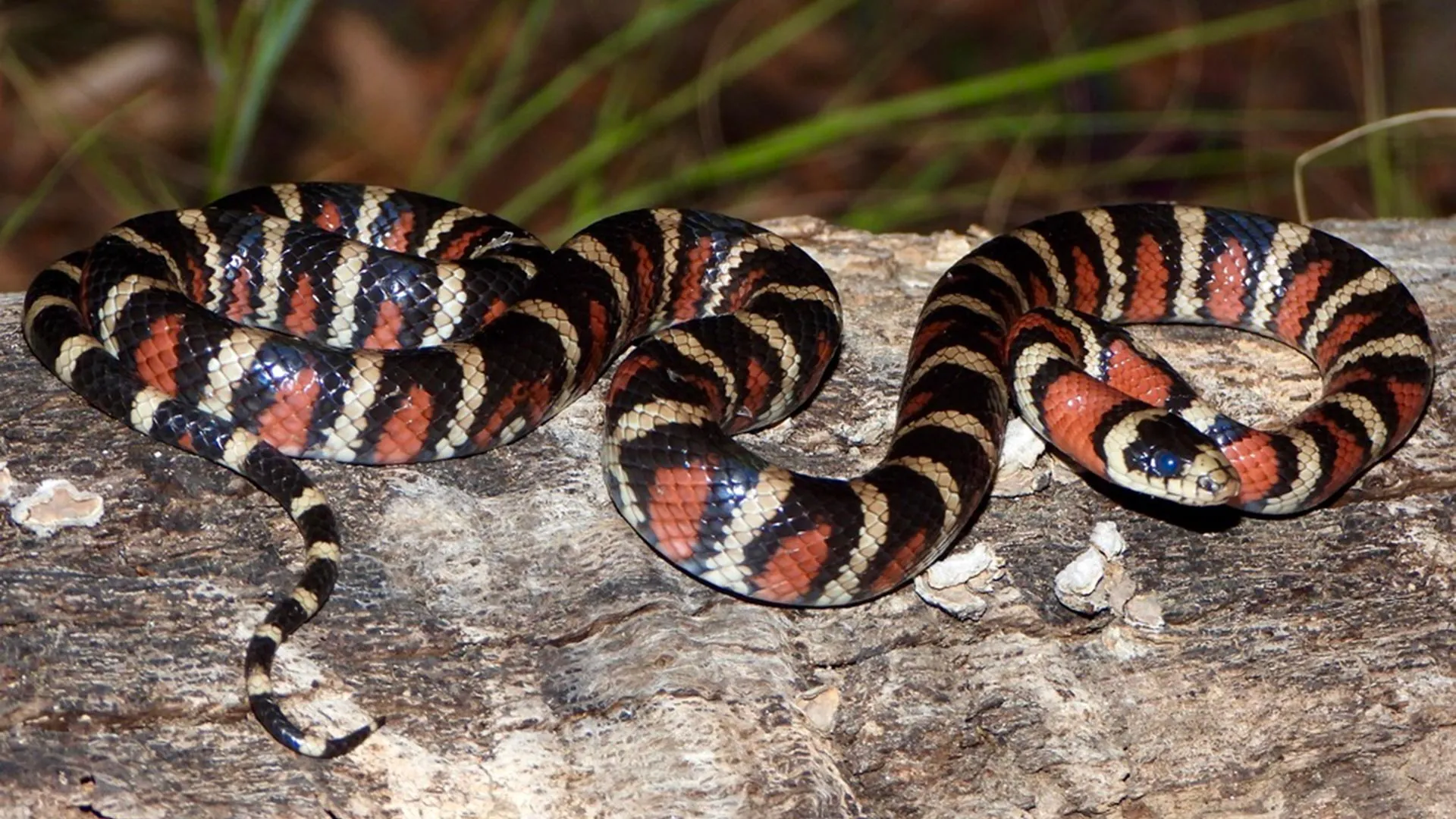
For every known vertebrate species, two more may be hiding in plain sight
A new study led by researchers at the University of Arizona suggests that for every recognized vertebrate species, there are, on average, two additional species that have gone unnoticed. These overlooked organisms, known as “cryptic” species,…
Continue Reading
-
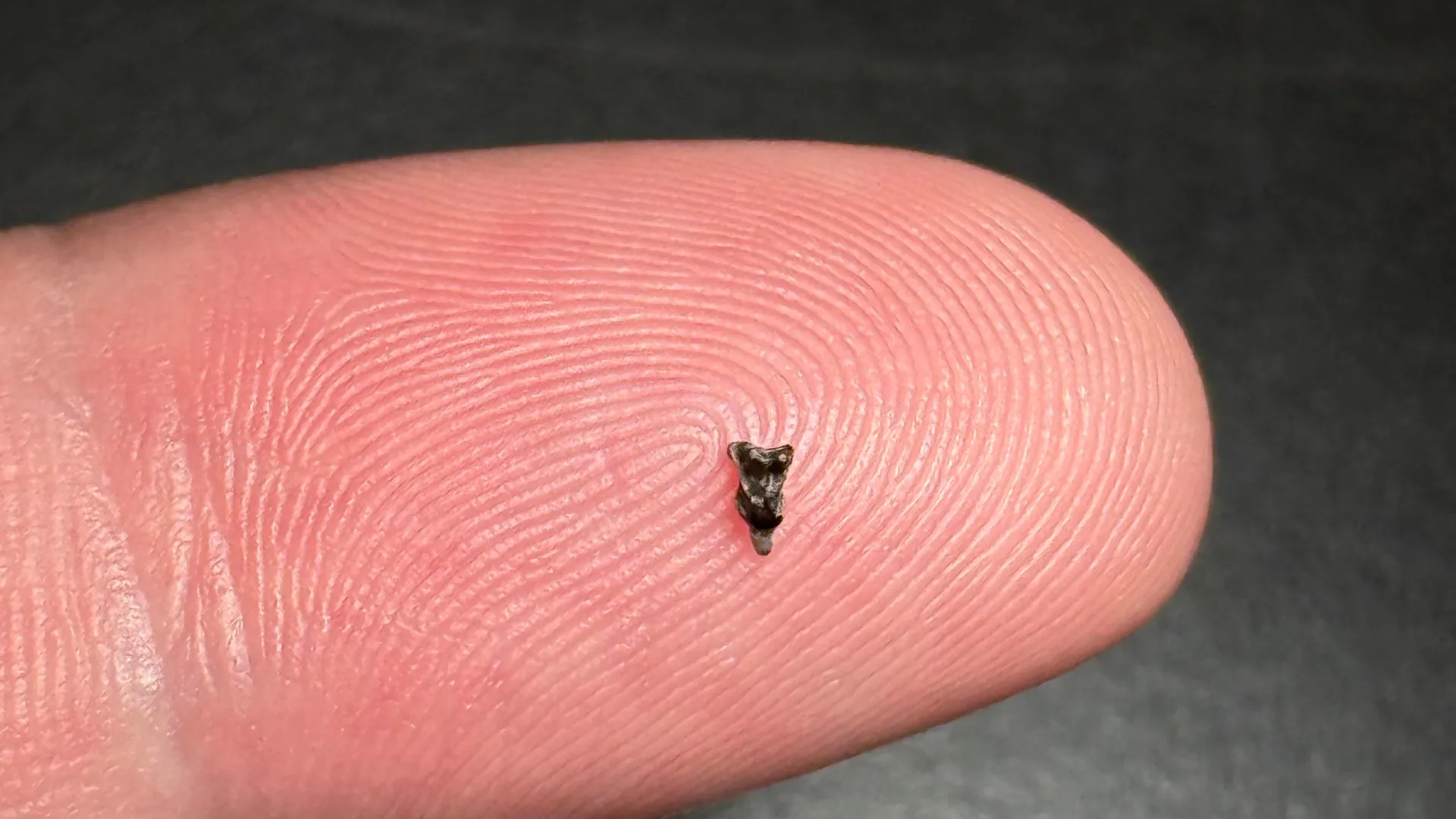
Teeth smaller than a fingertip reveal the first primate ancestor
Scientists have uncovered tiny new fossils of Purgatorius, the earliest known relative of all primates, including humans, in a more southern part of North America than ever before. The discovery is offering fresh insight into how primates first…
Continue Reading
-

Travel far, breed hard, and die young: Short-eared owls and why they should be studied
This Journal of Raptor Research issue focuses on movement ecology—how and why raptors move. This can include classic movements like migration, as well as nomadism.
Continue Reading
-

Puberty reshapes DNA to worsen or reverse insulin resistance
A longitudinal study shows that puberty may reprogram children’s epigenetic profiles in ways that track worsening or improving insulin resistance, uncovering early molecular signals of future cardiometabolic disease.
Study: Novel…
Continue Reading
-

Crocodile caught in an Australian creek 1,200 miles from its tropical habitat
Stephanie Kirsop didn’t believe her son when he phoned to say a crocodile was lurking in a creek near their home.
Continue Reading