
A University of Queensland study has shown that a deadly scorpion’s venom carries an extra biochemical sting that could be used to guide future medical treatments and tests. The paper is published in the journal Biochimie.
Category: 5. Biology
-

Sting in the tail of scorpion venom accelerates blood clotting, could help save lives
-

Moths use magnetic compass and visual cues to guide them during migration
Nocturnal insects may use both Earth’s magnetic field and visual cues to guide their migratory flight behaviors, according to recent findings. The research, published in eLife, presents compelling evidence on how geomagnetic and visual cues are…
Continue Reading
-
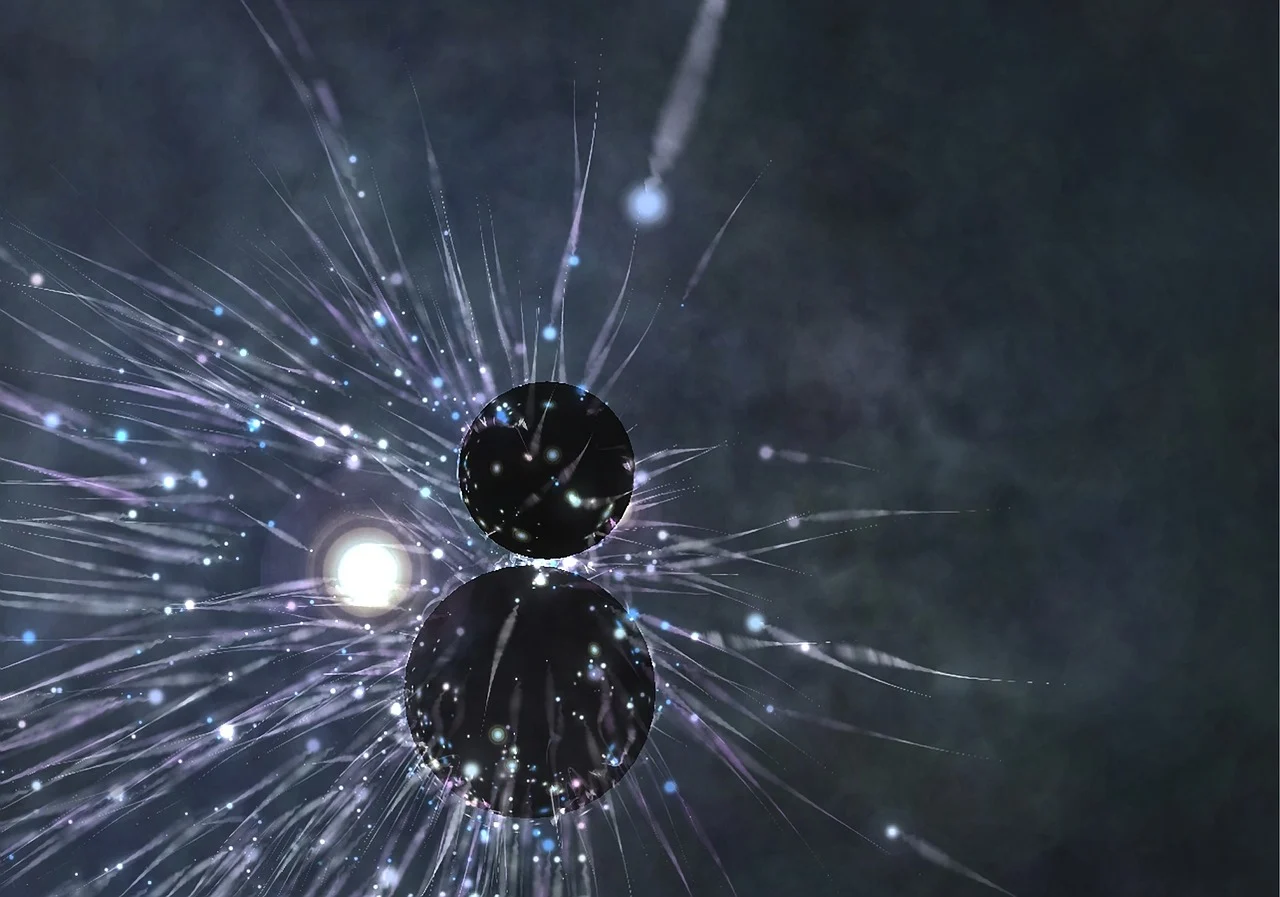
Rainfall can shape bird populations as much as temperature, global study reveals
Scientists have long focused on rising temperatures to understand how climate change is reshaping the natural world. But there’s a critical blind spot in that picture: rain. A new global study reveals precipitation has been largely overlooked in…
Continue Reading
-

Watch How Water Bears Can Survive in Martian Dirt
Tardigrades are sturdy little things. More commonly known as water bears, these eight-legged, multicellular, microscopic organisms have the ability to dehydrate, shrivel up, and reanimate when they encounter water again. They’ve been found deep…
Continue Reading
-
Wildlife imaging shows that AI models aren't as smart as we think
Using AI to identify wildlife reveals a potential “transferability crisis,” researchers say. Marketing for AI imaging systems often suggests that models can easily tackle novel scenarios across ecosystems and settings, much in the same way as…
Continue Reading
-
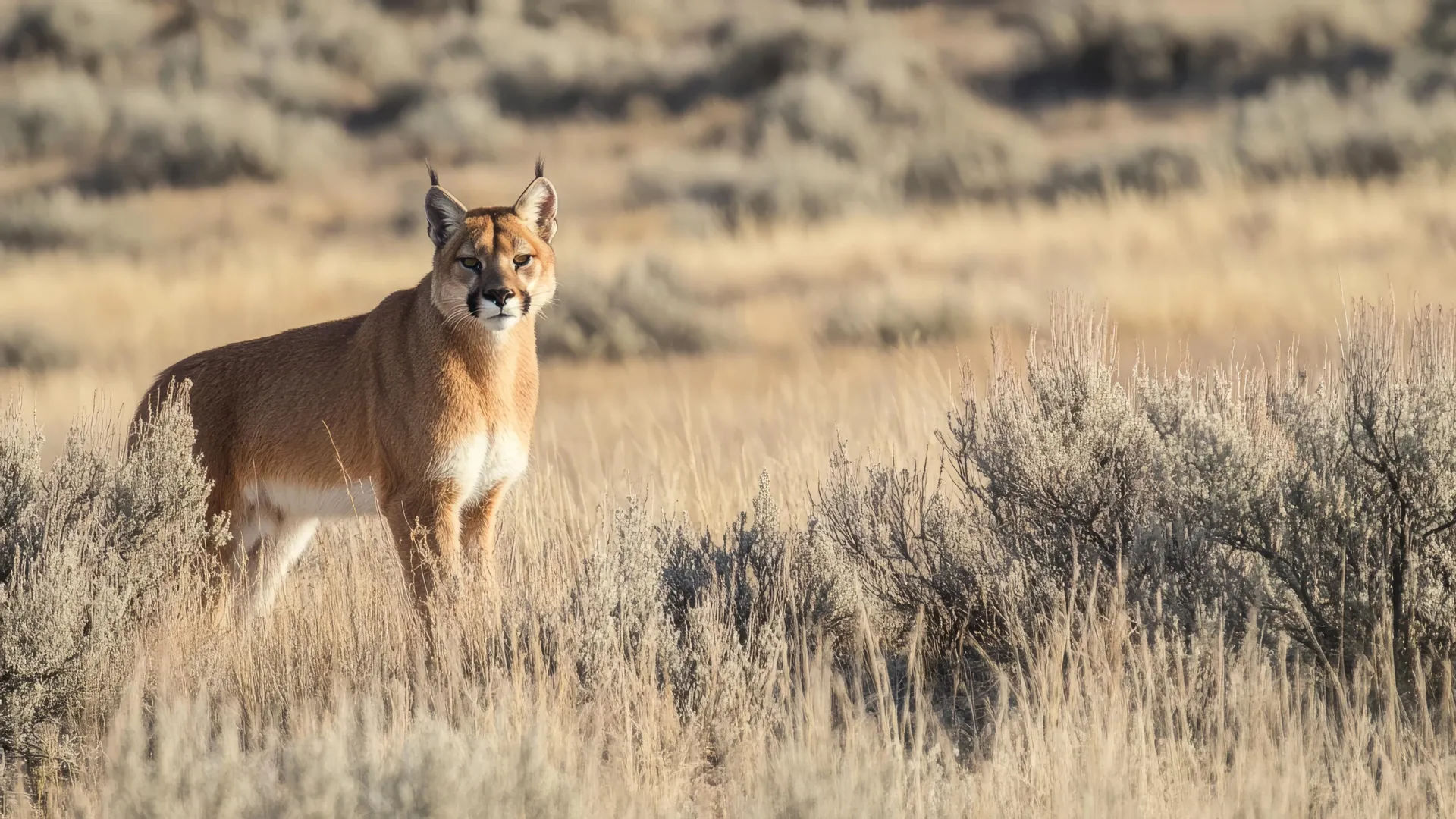
Wolves are stealing cougar kills in Yellowstone, study finds
A new study sheds light on the tense relationship between wolves and cougars in Yellowstone National Park. Researchers found that many of their encounters begin when wolves take over prey that cougars have already killed. To reduce these risky…
Continue Reading
-
Studying snakes' ability to stand upright could inform soft robotics and more
Snakes may be best known for slithering. But consider that these animals also perform one of the most extreme feats of posture control found in nature: They can stand nearly straight upright on a narrow perch without falling, lifting 70% of their…
Continue Reading
-

Rewilding could fill gap left by Panama's lost giants
Many large herbivores that once roamed modern-day Panama have declined or died out—including the 6-meter-long giant ground sloth and elephant-related creatures called Cuvieronius. New research suggests that introducing large herbivores in…
Continue Reading
-
Genetic library for soybean cyst nematode could renew resistance, profitability for soybean growers
Few pests eat away at farm profitability as much as soybean cyst nematode (SCN). Causing at least $1.5 billion in yield losses annually, it’s soybean’s single biggest threat. Unfortunately, soybean’s most effective tool, genetic resistance, is…
Continue Reading
-
Brain structure volume linked to increased social tolerance in macaques
Researchers have found that the size of the amygdala—a region of the brain involved in processing emotions—could be linked to social tolerance in macaque monkeys. Their research, published today in eLife, is described by the editors as…
Continue Reading