
In most plants and animals, including humans, mitochondria are inherited exclusively, or nearly exclusively, from the mother. By contrast, paternal transmission is observed only occasionally, and the mechanisms behind this phenomenon have…
Category: 5. Biology
-

Paternal mitochondria in plants can rescue defective maternal DNA, study reveals
-
A fanged frog long thought to be one species is revealing itself to be several
When a new species is discovered, it’s tempting to imagine an adventure novel, said Chan Kin Onn of Michigan State University. “Most people have this image of an intrepid explorer braving an isolated mountain or some other remote place, and…
Continue Reading
-
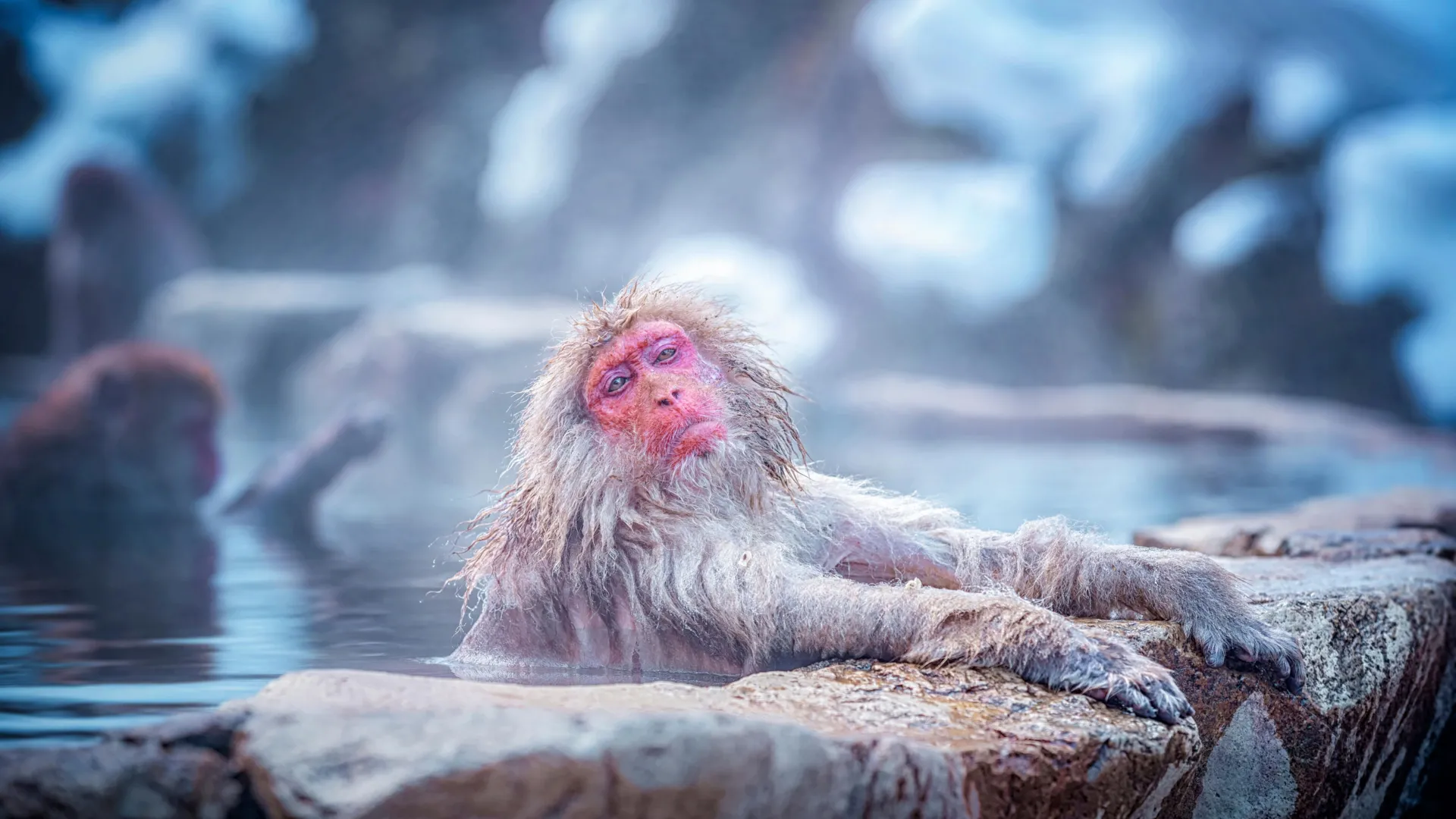
What snow monkeys’ steamy baths are really doing to their bodies
Japanese macaques, better known as snow monkeys, are famous for sitting in steaming hot springs when temperatures drop. While the warm water clearly helps them cope with winter cold, researchers at Kyoto University found that these baths do more…
Continue Reading
-
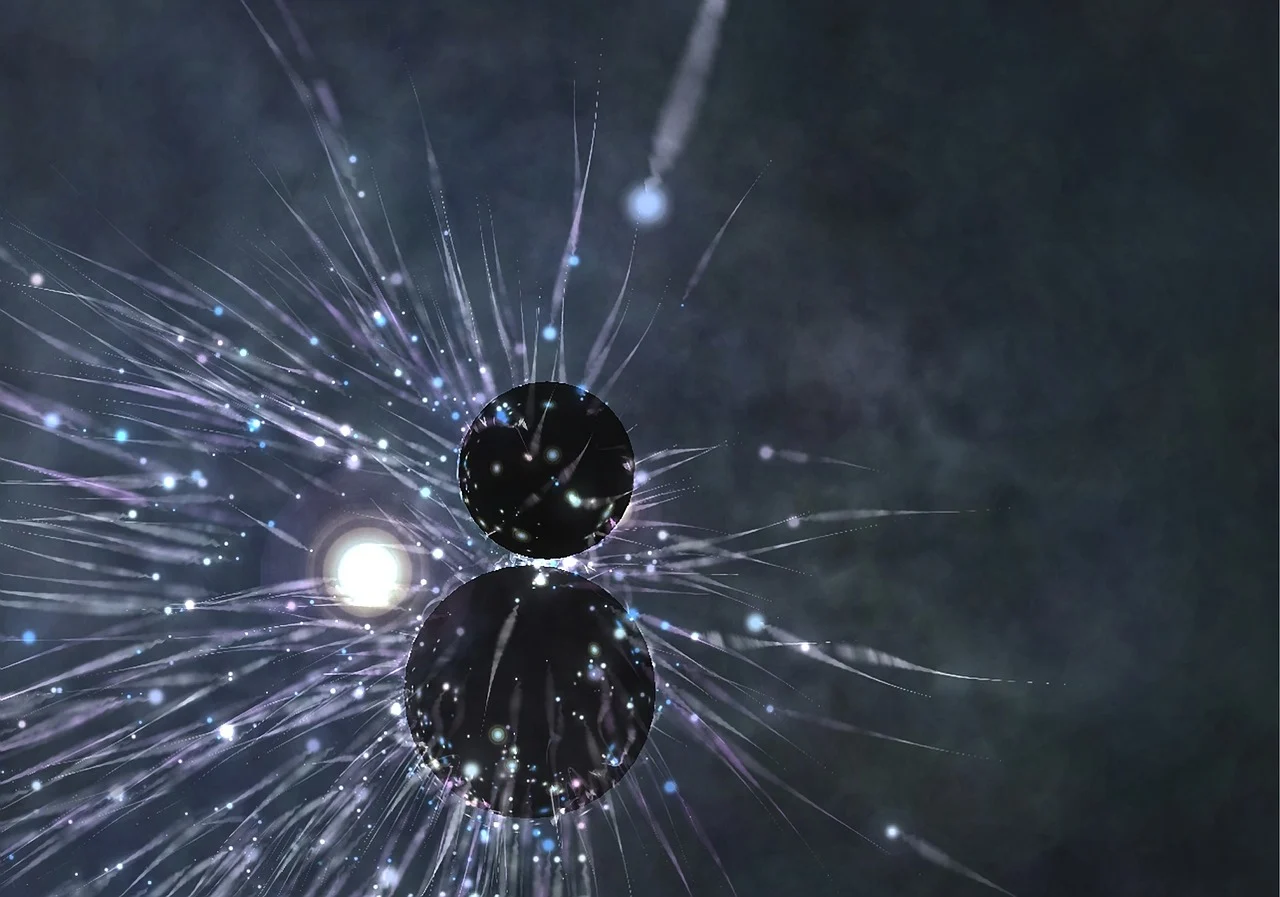
Examining public perceptions of assisted reproductive technologies in wildlife conservation
A recent study published in PLOS ONE has shed light on public perceptions of assisted reproductive technologies (ART) in wildlife conservation across Czechia, Germany, and Italy. The research, conducted as part of the BioRescue project,…
Continue Reading
-
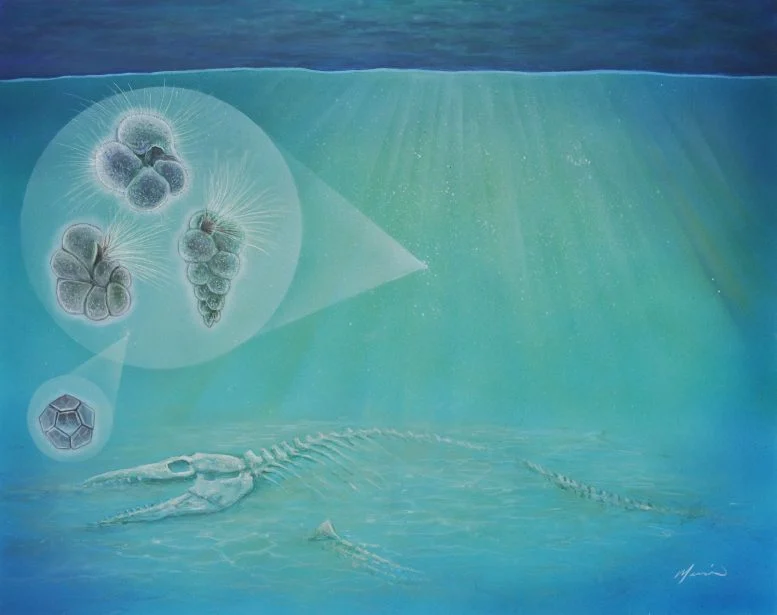
Life Rebounded “Astoundingly” Fast After the Dinosaur-Killing Asteroid, Study Finds
Helium-3 dating reveals new plankton species emerged within thousands—and sometimes just 2,000—years after the dinosaur-killing impact, showing life recovered far faster than assumed. Sixty-six million years ago, a massive asteroid collision…
Continue Reading
-

Discovery of natural mechanism behind ferroptosis solves longstanding puzzle in cell biology
After more than a decade of research, scientists have discovered the natural mechanism behind a novel form of cell death called ferroptosis. The work, described in the current issue of Cell, points toward an entirely new strategy for treating…
Continue Reading
-

Late scientist's notebooks help finish study of rare 55-million-year-old tarpon fossil
Recently-revealed notebooks belonging to a late paleontologist contain the missing information needed to help researchers finish their study of a remarkable fossil discovered nearly three decades ago.
Continue Reading
-
A common CRISPR platform enables comparative studies of multicellularity in social amoebae
A research group led by Associate Professor Tetsuya Muramoto from the Faculty of Science, Toho University, has established a CRISPR genome editing technique that enables comparative analysis of the evolution of multicellularity across different…
Continue Reading
-
The key to attacking 'undruggable' proteins: Transient clustering state reveals a moving target
Intrinsically disordered proteins lack a fixed structure, which is why they have been considered “undruggable” targets for drug development for years. However, these proteins play a key role in numerous diseases—ranging from various types of…
Continue Reading
-
How an underground fungal map of the world's oldest, slowest-growing rainforest trees can boost Earth's resilience
The temperate rainforests of the Chilean Coast Range are home to a spectacular array of life: iridescent blue lizards, tiny wild cats called kodkods, and curly vines of waxy red bellflowers. Towering over this biodiversity are endangered ancient…
Continue Reading