
Funding sustained, effective management of marine protected areas is one of ocean conservation’s most stubborn problems. Now, a new study from researchers at UC San Diego’s Scripps Institution of Oceanography links fish recovery from well-managed…
Category: 5. Biology
-

Effective marine protection can more than triple dive tourism revenue
-

How natural history museums can help restore the natural world
Natural history museums contain an astonishing snapshot of the planet’s biodiversity. Using this information to better research and inform conservation projects could help lead the way in nature recovery and restoration.
Continue Reading
-

Rice-based cheese? Study points to possibility for new rice markets
For vegans and people who are allergic to dairy, nuts or gluten, rice is a surprising source to make a hypoallergenic alternative cheese. As a bonus, the protein sources in rice are considered byproducts of white rice processing, adding value and…
Continue Reading
-

Inactive Ingredient in Semaglutide Alters Gut Bacteria
One of semaglutide’s inactive ingredients has been linked to changes in gut bacteria and inflammatory markers. The corresponding study was published in The Journal of Controlled Release.
“Obesity is a…
Continue Reading
-

Iron Nanomaterial Eradicates Cancer in Animal Model
Researchers have designed a nanomaterial that destroys cancer cells without harming surrounding healthy tissues in cell and animal models. The corresponding study was published in Advanced Functional Materials…
Continue Reading
-
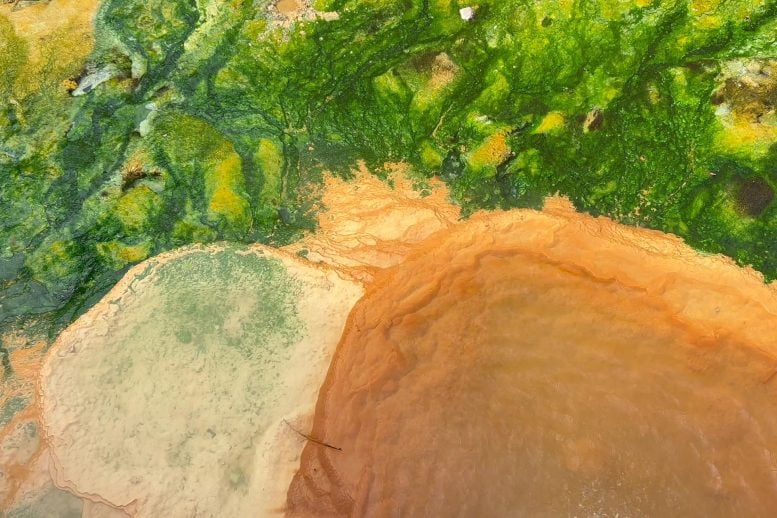
Ancient Hot Springs Reveal How Life Survived on a Toxic Early Earth
Iron-fueled microbes helped life survive Earth’s toxic, oxygen-free beginnings. Our planet did not always resemble the blue and green world we know today. In its distant past, atmospheric oxygen levels were roughly a million times lower than…
Continue Reading
-
Chimps' love for crystals could help us understand our own ancestors' fascination with these stones
Crystals have repeatedly been found at archaeological sites alongside Homo remains. Evidence shows that hominins have been collecting these stones for as long as 780,000 years. Yet, we know that our ancestors did not use them as weapons, tools,…
Continue Reading
-
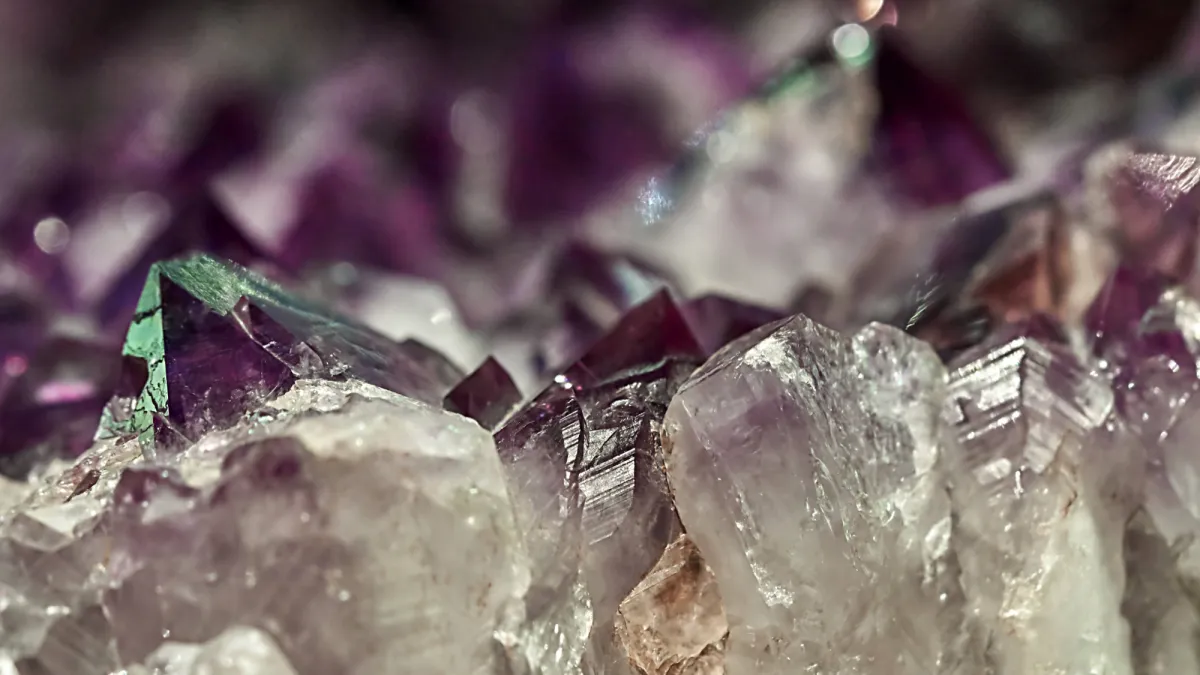
Our love of crystals goes back at least 6 million years
Primates of all stripes really love their crystals. Archeologists have found…
Continue Reading
-
New HIV-seq tool advances understanding of persistent viral reservoirs
For people living with human immunodeficiency virus (HIV), life-saving antiretroviral therapy keeps their HIV-infected immune cells from making new copies of the virus, preventing illness and transmission.
Historically, these…
Continue Reading
-
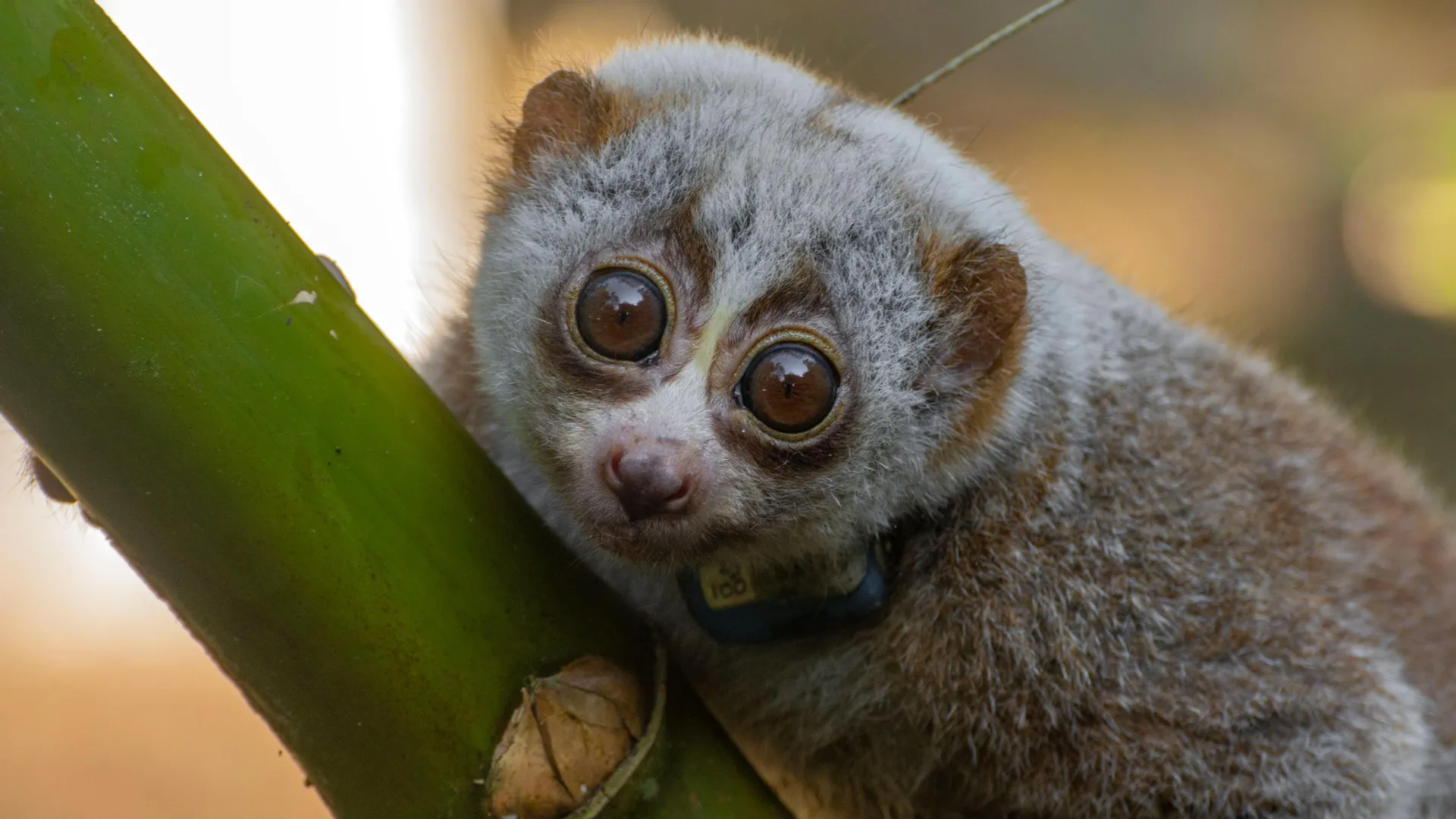
Study finds wild release can be deadly for rescued slow lorises
A new scientific study suggests that returning rescued wildlife to natural habitats does not always end in success. In some situations, animals released after time in captivity face serious risks, and the wild can become what researchers describe…
Continue Reading