
Up to half of the insects in the Amazon region could be exposed to life-threatening heat levels due to progressive, anthropogenic global warming. This is shown by a recent study by the universities of Würzburg and Bremen.
Category: 5. Biology
-

Climate change pushes tropical insects to their heat limit
-
Mosquito monitoring through sound—implications for AI species recognition
Mosquitoes transmit several pathogens of public health importance, including malaria, dengue, chikungunya and Zika. These vector-borne diseases are responsible for millions of cases every year, and hundreds of thousands of deaths. The most…
Continue Reading
-

Ctenophore research points to earlier origins of brain-like structures
New 3D reconstructions of a key sensory organ in ctenophores reveal an unexpected structural and functional complexity. The findings suggest that an elementary brain may have already appeared in our most ancient relatives, reshaping our…
Continue Reading
-
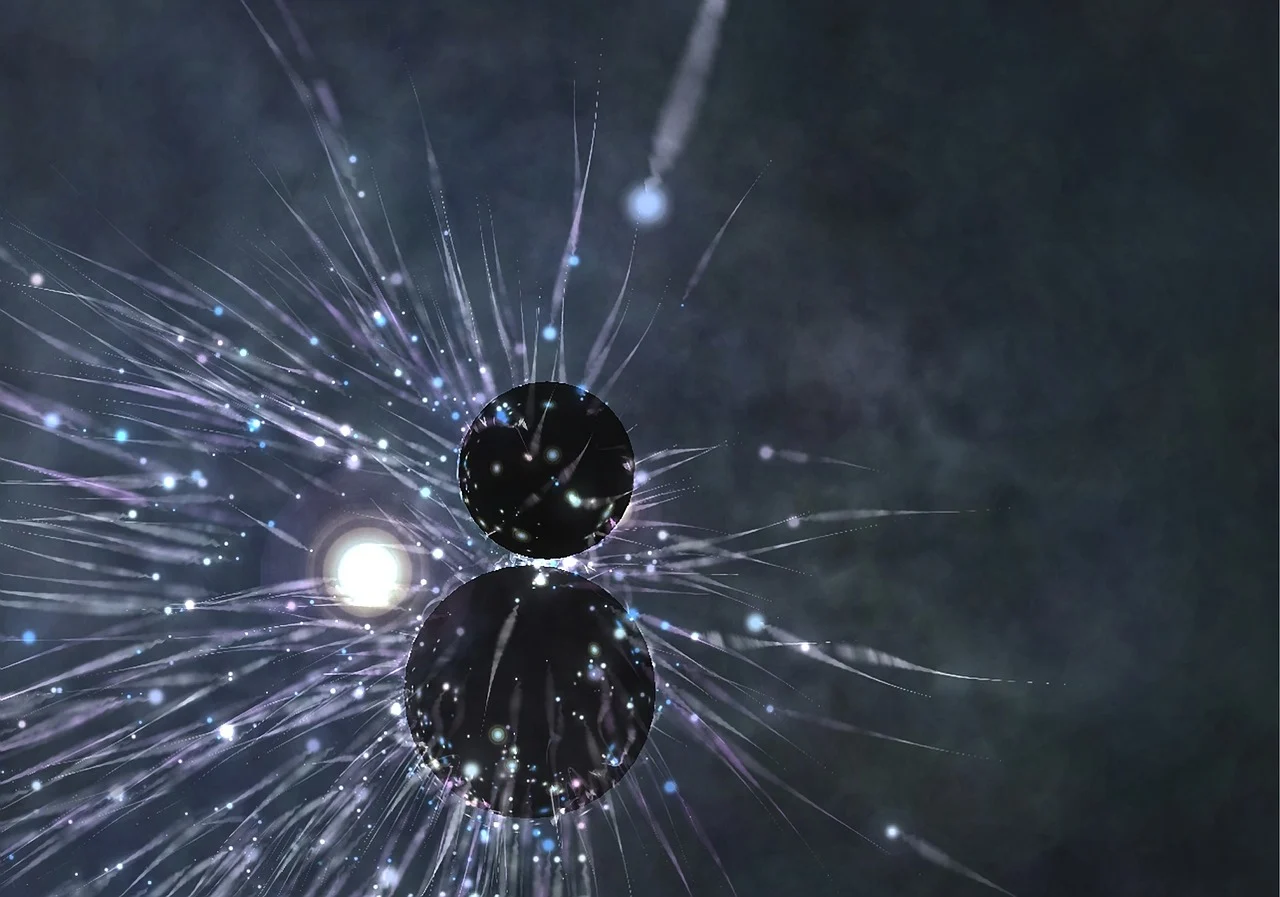
Salmonids reveal the cold truth about human impacts on Fennoscandian lakes
A large-scale study led by the University of Jyväskylä revealed that human activity is consistently changing the ecosystems of Northern European lakes. The study shows that hydropower and human activity in catchment areas are altering the food…
Continue Reading
-
Oldest known bony fish fossils uncover early vertebrate evolution
A research team led by Profs. Zhu Min, Lu Jing, and Zhu You’an from the Institute of Vertebrate Paleontology and Paleoanthropology (IVPP) of the Chinese Academy of Sciences published two back-to-back cover stories in the journal Nature on March…
Continue Reading
-
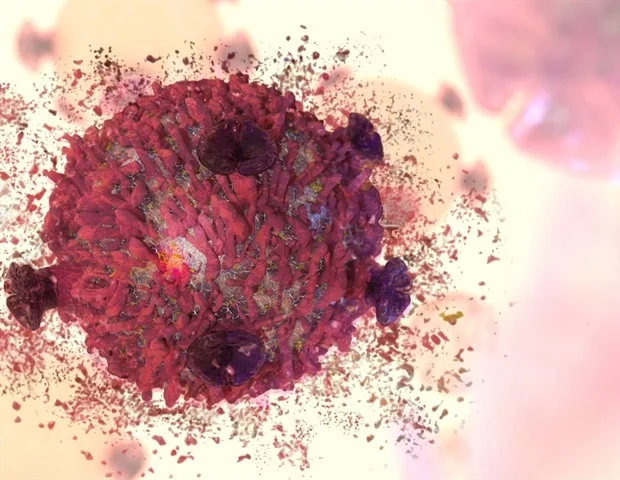
Dietary fat ratios impact the strength of immune cells and ability to fight disease
The types of fats we consume directly impacts the survival and strength of the body’s immune cells and ability to fight disease, researchers have found.
A University of Queensland team led an international collaboration that found…
Continue Reading
-
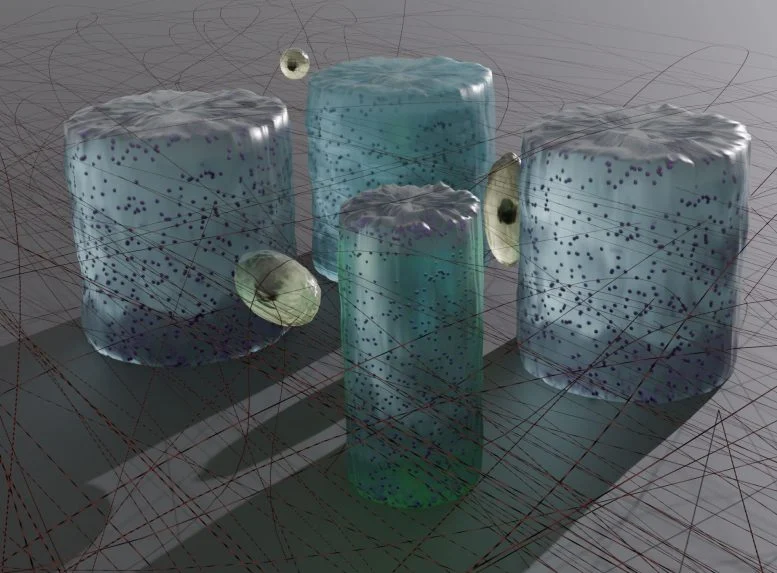
New Hydrogel Micromachines May Transform How We Study Living Tissues
Scientists have engineered a lab-on-a-chip system capable of applying precisely controlled mechanical forces to biological materials that mimic the extracellular matrix. Inside the body, cells are surrounded by intricate three-dimensional…
Continue Reading
-

Weed that smells like paint thinner takes over Arizona
Invasive plants can be just as destructive as animals—and often fly more…
Continue Reading
-
Cockroaches that eat each other's wings become exclusive partners
Scientists have discovered that, far from being solitary insects, some cockroaches appear to form an exclusive bond with a partner. And how do they get this relationship off the ground? By eating each other’s wings.
Continue Reading
-
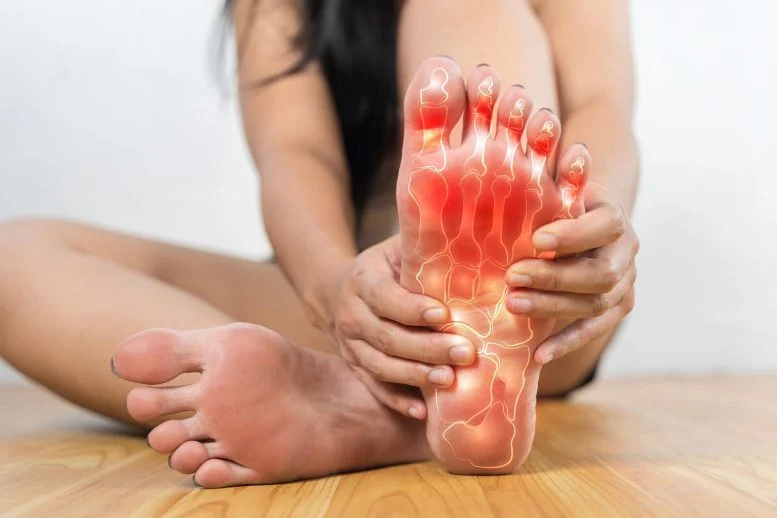
New Research Reveals Why Women Experience Longer-Lasting Pain
Hormone-regulated immune cells produce IL-10 to resolve pain more effectively in males, offering a potential new target for non-opioid chronic pain treatments. Chronic pain often lingers longer in women than in men. A new study suggests that…
Continue Reading