
Thousands of birds, including beloved purple martins, died in “The Great Texas Freeze” of 2021. A study published in Nature Ecology & Evolution led by biologists at the University of Massachusetts Amherst, reveals not only the extent of the…
Category: 5. Biology
-

The 'Great Texas Freeze' killed thousands of purple martins: Biologists worry recovery could take decades
-
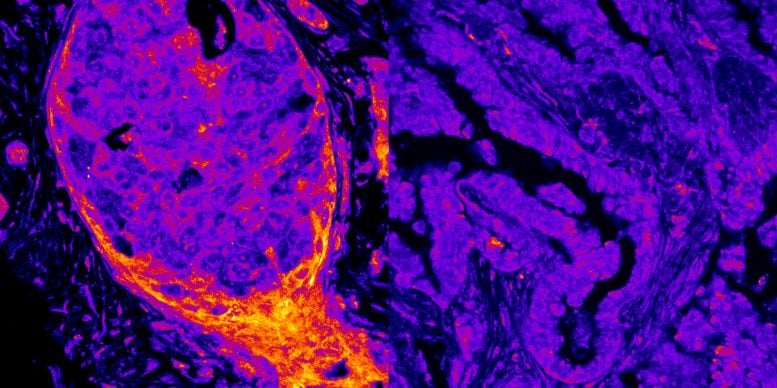
Scientists Discover Hundreds of Energy Enzymes Sitting Directly on Human DNA
Scientists discovered hundreds of energy-making enzymes secretly working on human DNA—revealing a hidden “mini-metabolism” inside the nucleus that may shape how cancers survive and respond to treatment. Scientists have discovered that more…
Continue Reading
-
Fluorescent imaging reveals how a global parasite develops, opening new paths for drug treatment
It infects nearly one-third of the global population, yet its microscopic size makes the parasite difficult for scientists to study. That parasite is Toxoplasma gondii, a widespread organism that infects humans and animals. To better understand…
Continue Reading
-
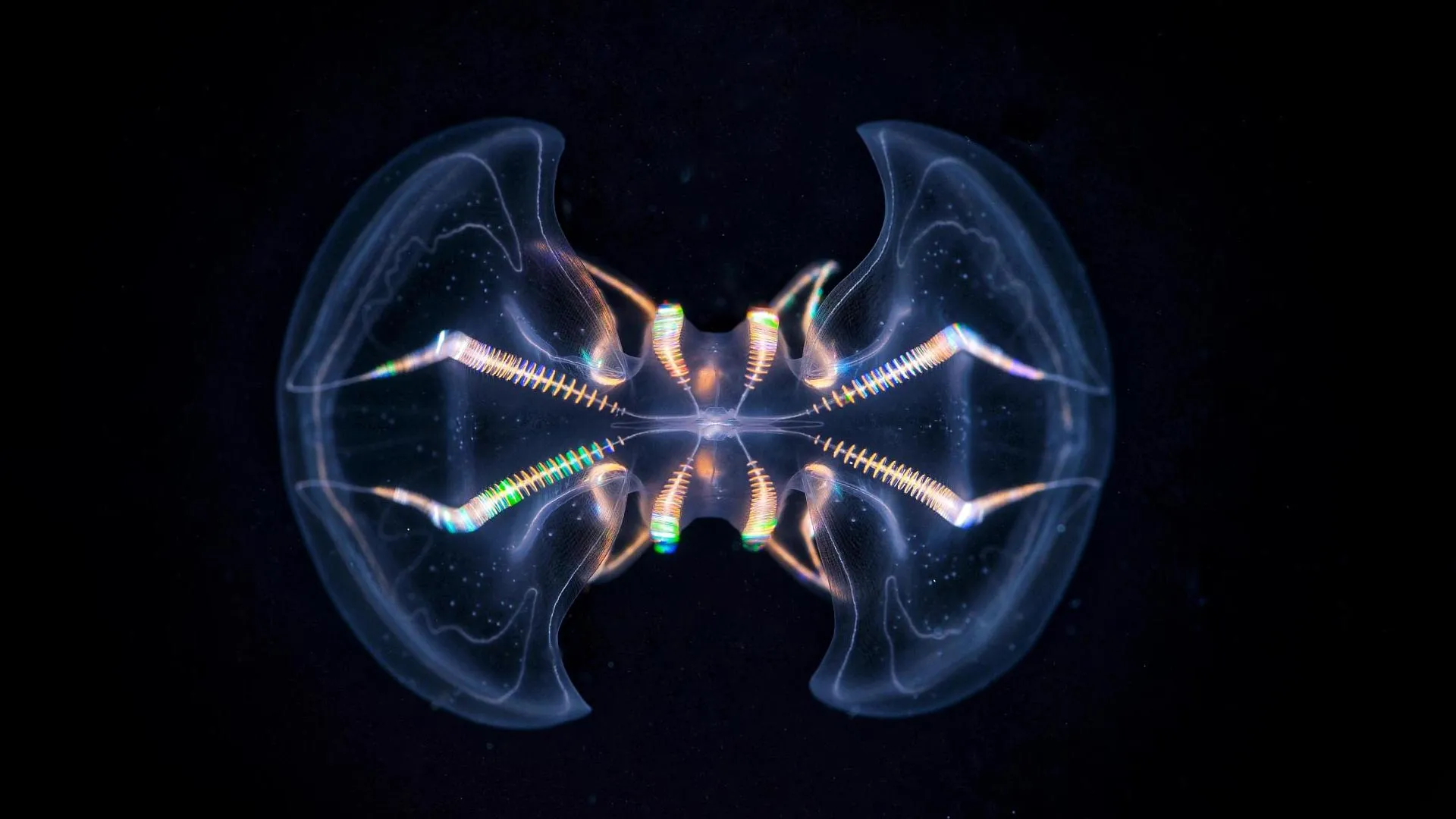
This ancient sea creature may already have had a brain
Detailed three dimensional reconstructions of a key sensory structure in ctenophores reveal far greater structural and functional complexity than scientists previously recognized. The results suggest that a simple brain like system may have…
Continue Reading
-
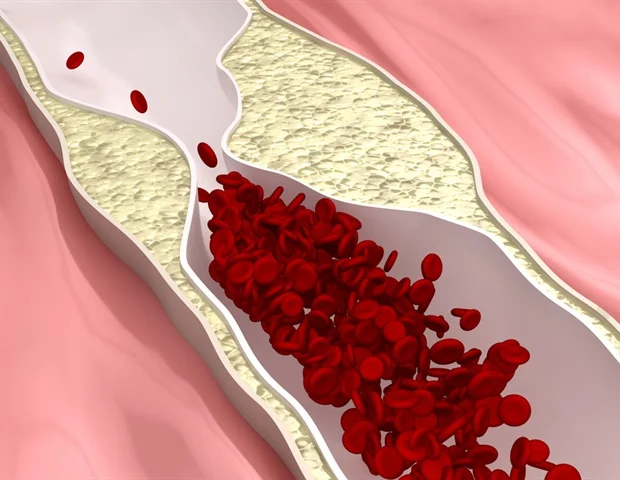
BCAT2 enzyme identified as a target for diabetic foot recovery
Diabetic macrovascular complications are the main cause of death and disability in diabetes patients, of which vascular calcification is one of the key pathological mechanisms. Calcification in atherosclerotic plaque can cause…
Continue Reading
-
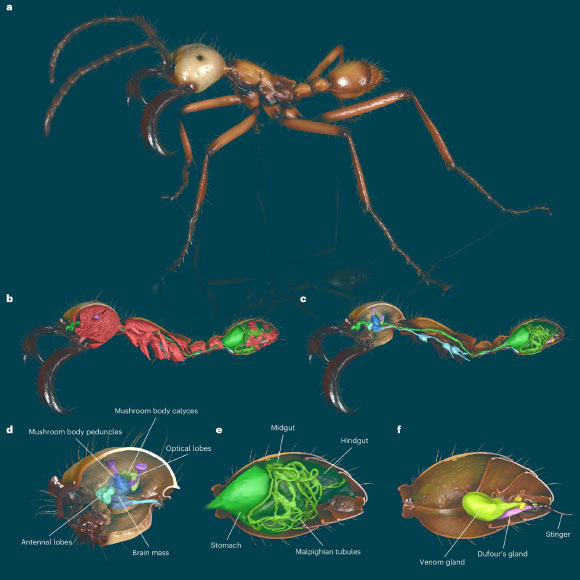
Entomologists Create Digital Library of Global Ant Diversity
Using powerful X-ray beams, automated robotics and AI, entomologists have created interactive digital images representing 212 genera and 792 species of ants.
Renderings of an exemplary Antscan specimen: subsoldier of Eciton hamatum. Image…
Continue Reading
-
Elephants avoid humans far more than baboons, waterbucks or antelopes
Wild animal species respond very differently to human development, and as a result, they use ecological corridors in agricultural and urban areas in distinct ways. This emerges from research in Botswana by ecologist Marlee Tucker of Radboud…
Continue Reading
-
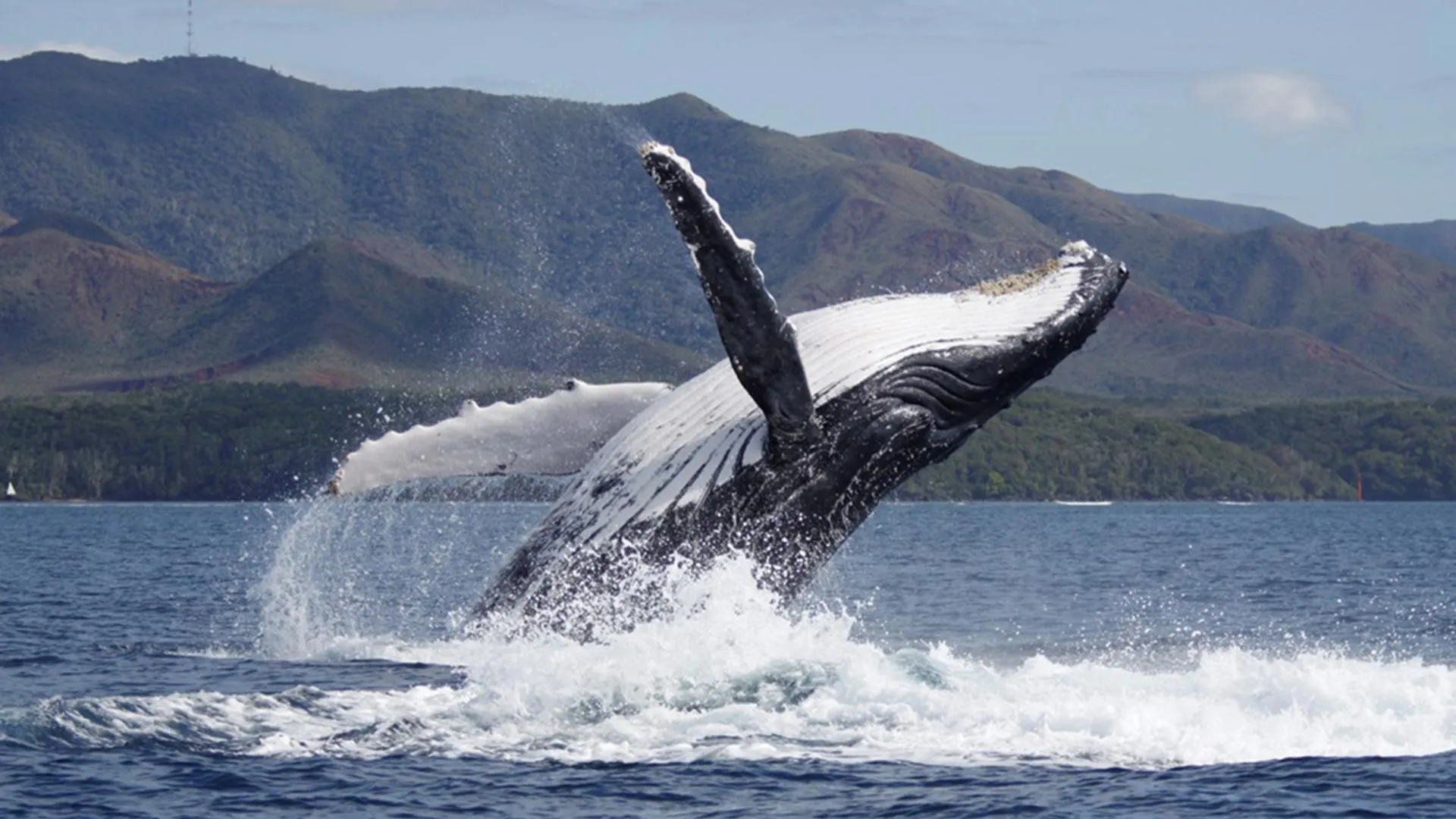
Humpback whale recovery is changing who fathers the calves
A new study from the University of St Andrews, published on February 27 in Current Biology, shows that the influence of age on male humpback whale reproduction has shifted as whale populations rebound after centuries of commercial whaling.
Continue Reading
AI trained on 9 trillion DNA letters predicts harmful mutations and designs new genomes
Trained on genomic data spanning the tree of life, Evo 2 reveals how artificial intelligence can decode the rules of DNA and even generate new functional sequences, opening the door to programmable biology.
Study: Genome modelling…
Continue Reading

Toxic evolution: How wasps and frogs mimic pain molecules to deter predators
Certain species of wasps and frogs share a pain and inflammation peptide similar to one found in vertebrates to help defend against predators—a discovery that contributes to a shifting view of how evolution works, say researchers. Their paper…