
Aysola, K. et al. Triple negative breast cancer–an overview. Hereditary Genet. 2013(Suppl 2), 001 (2013).
Ma, T. et al. Predictive markers of rapid disease progression and chemotherapy…
Aysola, K. et al. Triple negative breast cancer–an overview. Hereditary Genet. 2013(Suppl 2), 001 (2013).
Ma, T. et al. Predictive markers of rapid disease progression and chemotherapy…
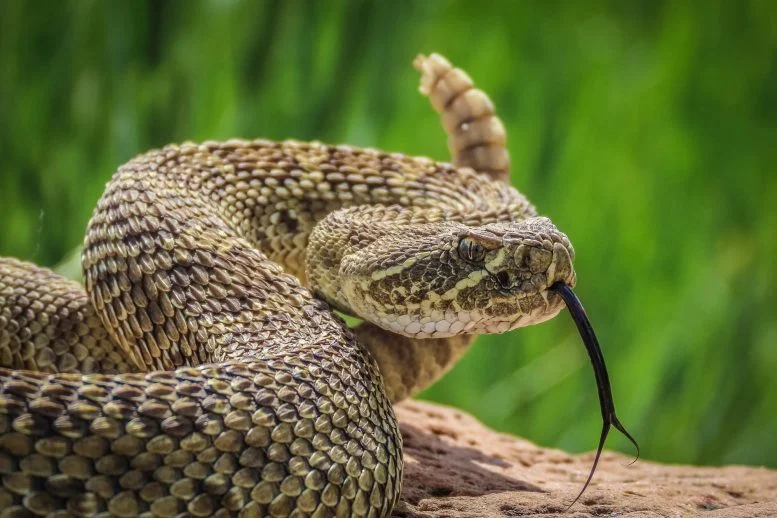
A widely repeated belief about baby rattlesnakes is being challenged by new research. A new study from Loma Linda University found that bites from baby rattlesnakes are less dangerous than bites from adults, challenging a long-standing myth that…
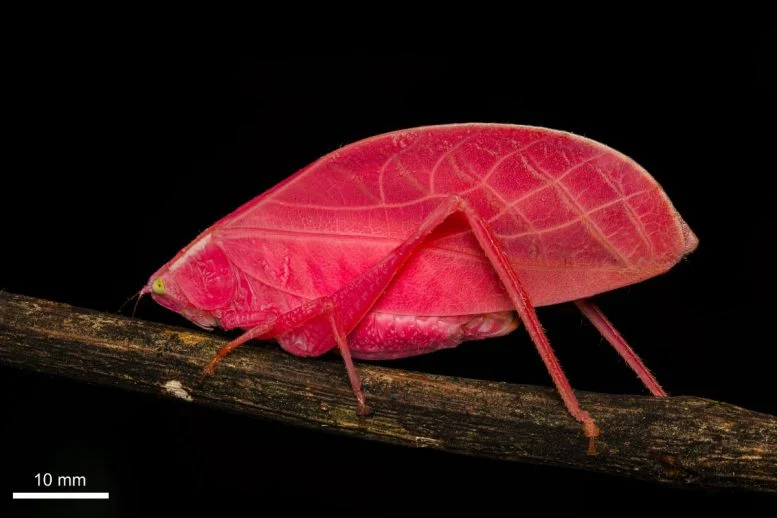
A katydid changes color from pink to green to match leaf development, showing advanced camouflage adaptation in rainforests. A rare rainforest insect can transform its appearance in a matter of days, shifting from bright pink to leaf green in a…

Introducing forest soil on an entryway doormat shifted the indoor microbiome of Finnish homes closer to bacterial profiles found outdoors, with less contribution from human-associated bacteria, a new study shows. In the future, such interventions…
There is a closing 20-year window in which decisions on climate and land use will determine the fate of dozens of native birds, butterflies and plants across Great Britain, which is already one of the most nature-depleted countries globally. That…
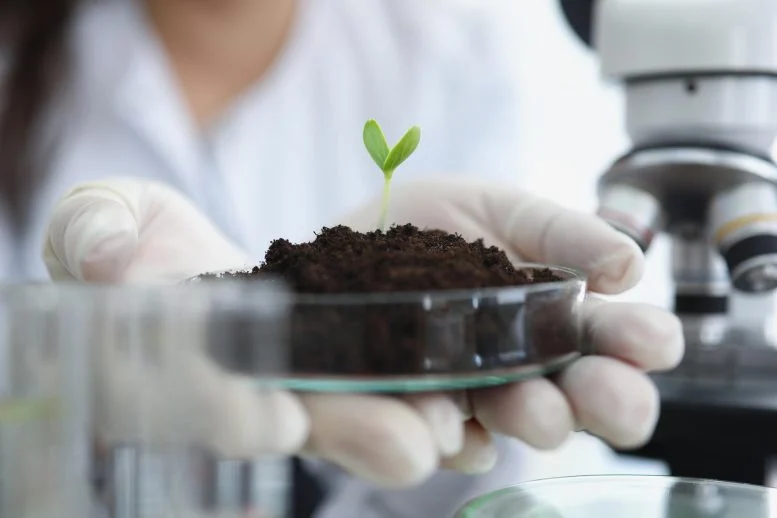
New research challenges the long-held assumption that brains are required for learning, suggesting plants may process information in unexpected ways. For decades, scientists have assumed that learning, memory, and decision-making require a brain….

Researchers who analyzed dozens of spontaneous performances by a captive male chimpanzee named Ayumu say the animal’s steady rhythms and expressive ‘play face’ hint at how early humans may have transformed vocal emotion into instrumental…

Researchers at the University of Wisconsin School of Veterinary Medicine have identified a possible way to make longer lasting vaccines for respiratory viruses like influenza and the coronavirus that causes COVID-19.
The…

In a new study of viral abundance over a short time frame in the Sargasso Sea, researchers found that almost all viruses with cyclical changes in abundance were most active at night—somewhat surprising when the team expected microbial behavior…

Photosynthetic bacteria do not release oxygen during photosynthesis but can convert solar energy into chemical energy with remarkably high efficiency. They also utilize near-infrared light—wavelengths unused by plants—and thrive in diverse…