
Leafy vegetables like lettuce are readily available in grocery stores and often seen as a healthy food choice. As researchers work to understand how emerging contaminants behave in plants, new research is shedding light on how lettuce responds to…
Category: 5. Biology
-

What's in your salad? Crops exposed to nanoplastics may boost heavy metal intake
-

Mixed-flower Australian honey packs a stronger anti-microbial punch
Honeybees collecting nectar from a “buffet” of Australian native plants made honey with anti-microbial abilities that is more potent than “single origin” honey made from only one source of plant or flower, a University of Sydney-led study has…
Continue Reading
-
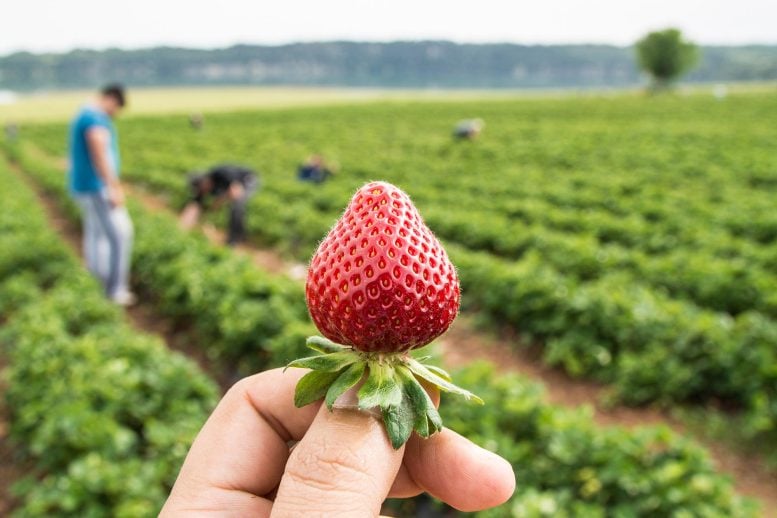
Scientists Reveal Hidden History of the Modern Strawberry
Researchers used molecular signatures in mobile DNA to trace the evolutionary origins of the cultivated strawberry genome. Polyploid genomes form when entire genomes duplicate and combine through repeated hybridization events. This process has…
Continue Reading
-

A new clue to how the body detects physical force
Every time we feel a gentle tap on the skin, specialized nerve cells convert that physical force into an electrical signal the brain can interpret as touch. While scientists have long known that a protein called PIEZO2 acts as a key sensor for…
Continue Reading
-

Study reveals new technique to identify individual night-flying birds for the first time
Millions of birds invisibly migrate through the night sky each autumn, most flying in near silence toward their wintering grounds. Now, scientists have developed a way to see and identify many of those birds for the first time.
Continue Reading
-
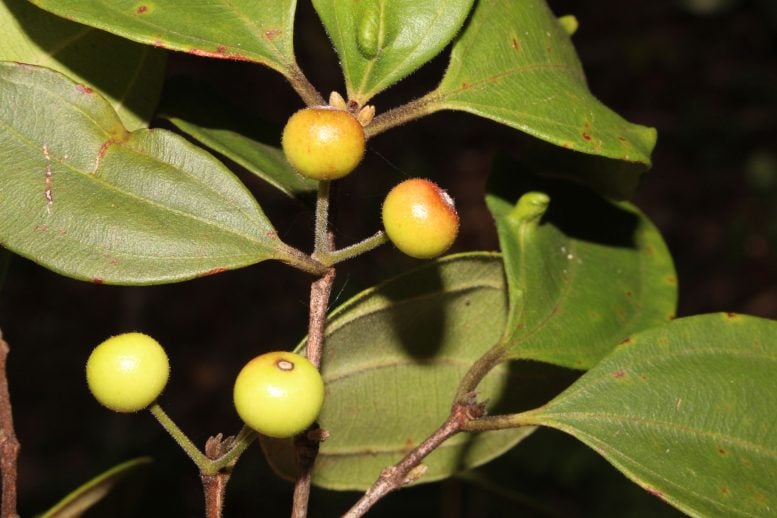
Scientists Warn Strange “Zombie” Tree Could Vanish Within a Generation Without Urgent Help
A newly named Australian tree nicknamed the “zombie tree” cannot reproduce because of a deadly fungal disease. A recently identified tree species in Australia has been nicknamed “zombie” by scientists, who warn that urgent intervention…
Continue Reading
-
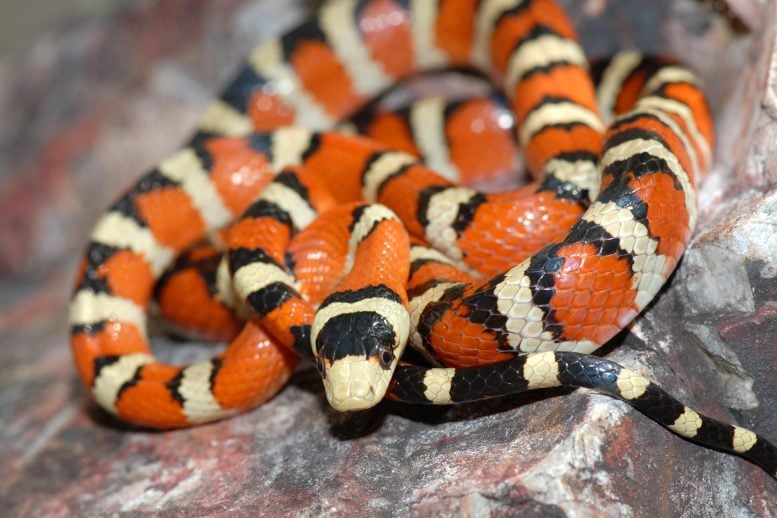
Scientists Shocked to Find Two Hidden Species for Every One We Know
Scientists may have been dramatically undercounting the number of vertebrate species on Earth. A large analysis of more than 300 studies suggests that for every recognized species of fish, bird, mammal, reptile, or amphibian, there may be two…
Continue Reading
-
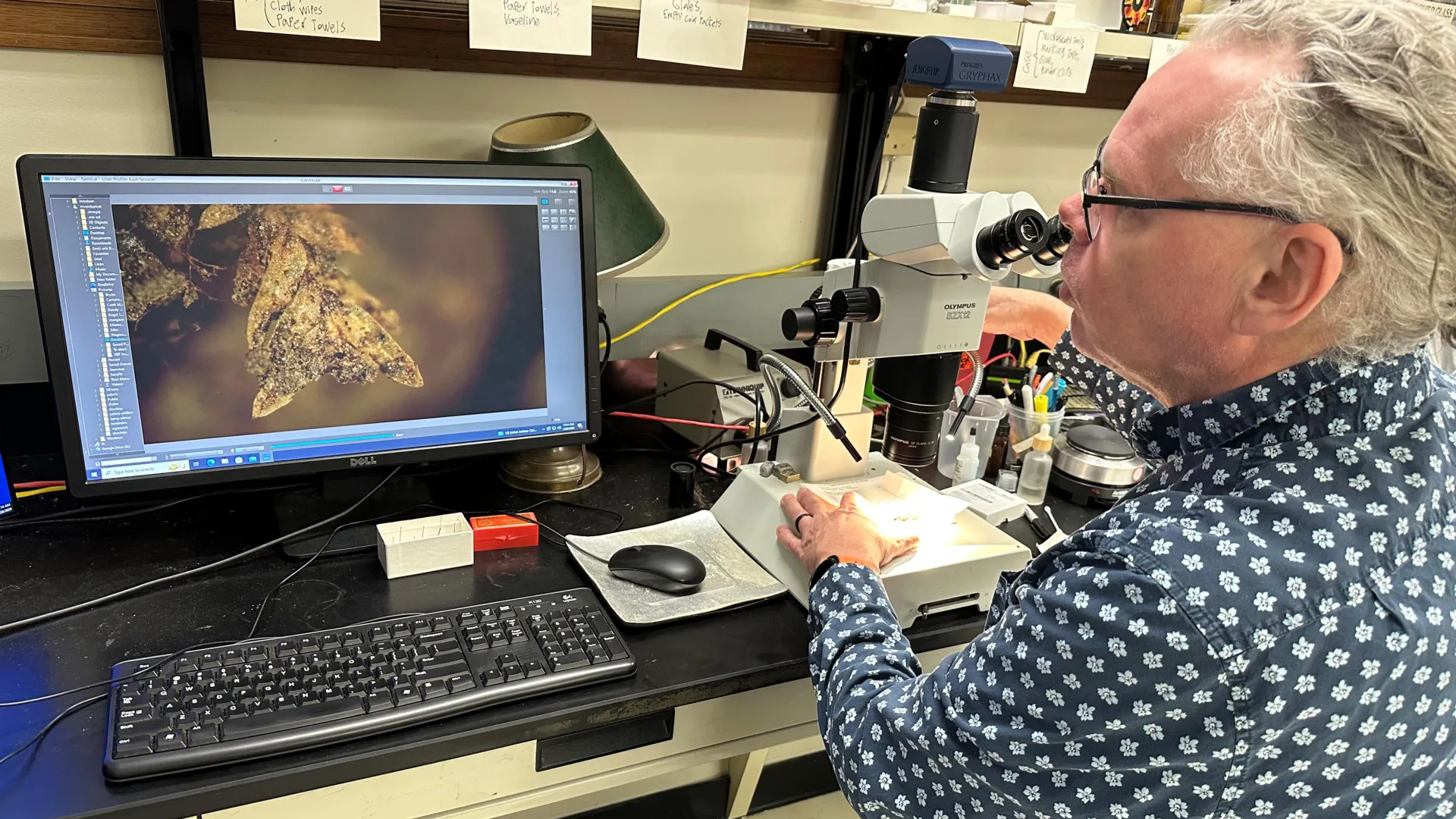
Tiny clump of moss helped solve a shocking cemetery crime
In 2009, investigators uncovered a disturbing scandal at a cemetery outside Chicago. Employees at Burr Oak Cemetery in Alsip, Illinois, were accused of digging up older graves, relocating the remains to other areas within the cemetery, and then…
Continue Reading
-
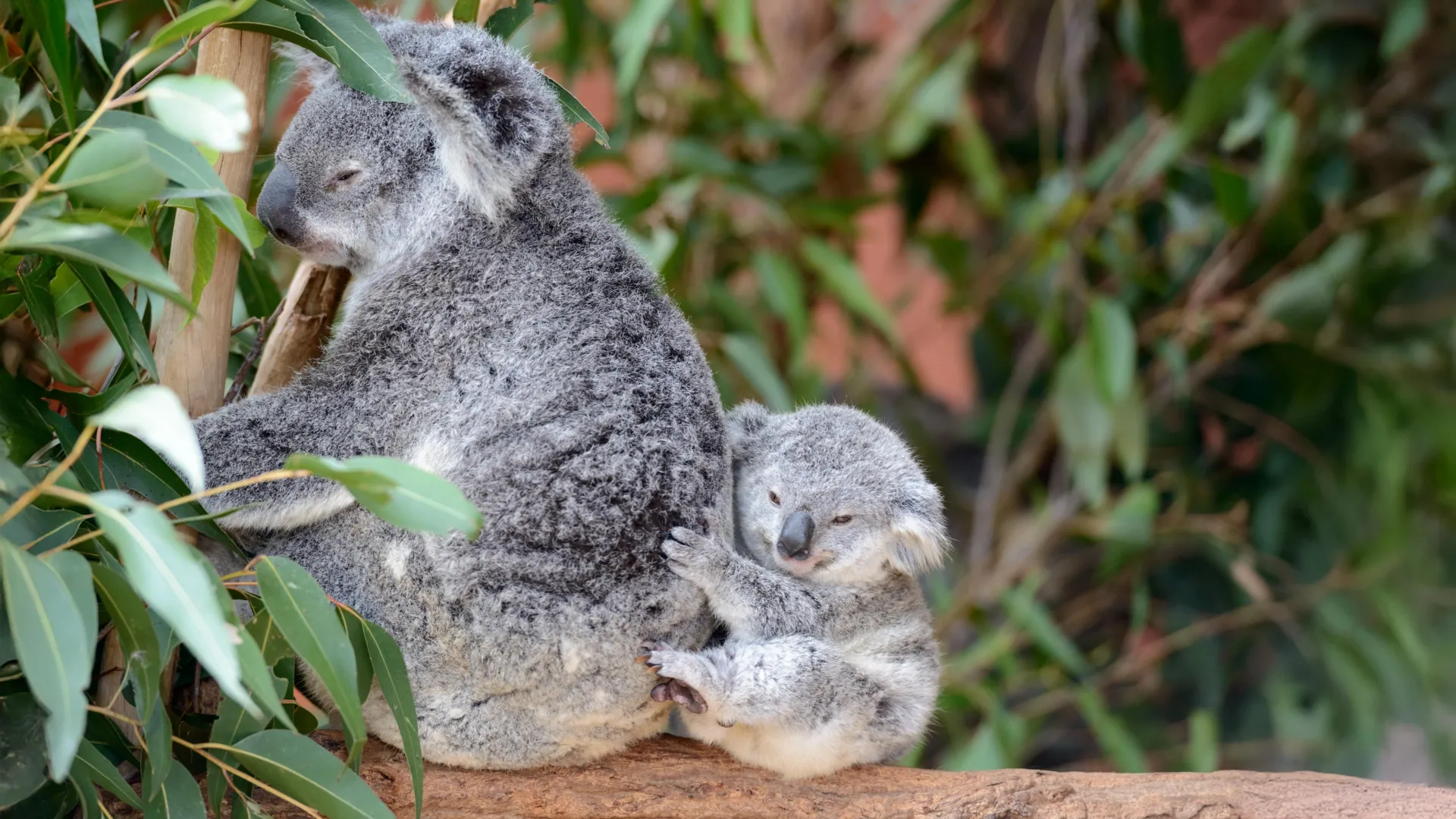
Koalas survived a devastating population crash and their DNA is bouncing back
A new genomic study of koala populations in Australia suggests that rapid population growth may help restore genetic variation that was lost during past declines. Researchers found that when populations recover quickly, the increase in numbers…
Continue Reading
-
C1s protects cutaneous squamous carcinoma cells from TRAIL-induced apoptosis
Nehal KS, Bichakjian CK. Update on keratinocyte carcinomas. N Engl J Med. 2018;379:363–74.
Knuutila JS, Riihilä P, Kurki S, Nissinen L, Kähäri VM. Risk factors and prognosis for metastatic…
Continue Reading