
Researchers at the University of Michigan have discovered that the constant gnawing of rodents isn’t just a reflex or a consequence of a tough diet. It also triggers a release of dopamine in the brain—which acts as a biochemical reward or…
Category: 5. Biology
-

Gnaw-y by nature: Researchers discover neural circuit that rewards gnawing behavior in rodents
-

New polar bear research gives insight into human-animal encounters
Polar bear encounters with humans are a regular concern for scientists and communities near polar bear habitats, but new research is showing the bears’ reasons for coming in contact with humans might not be what was initially expected.
Continue Reading
-
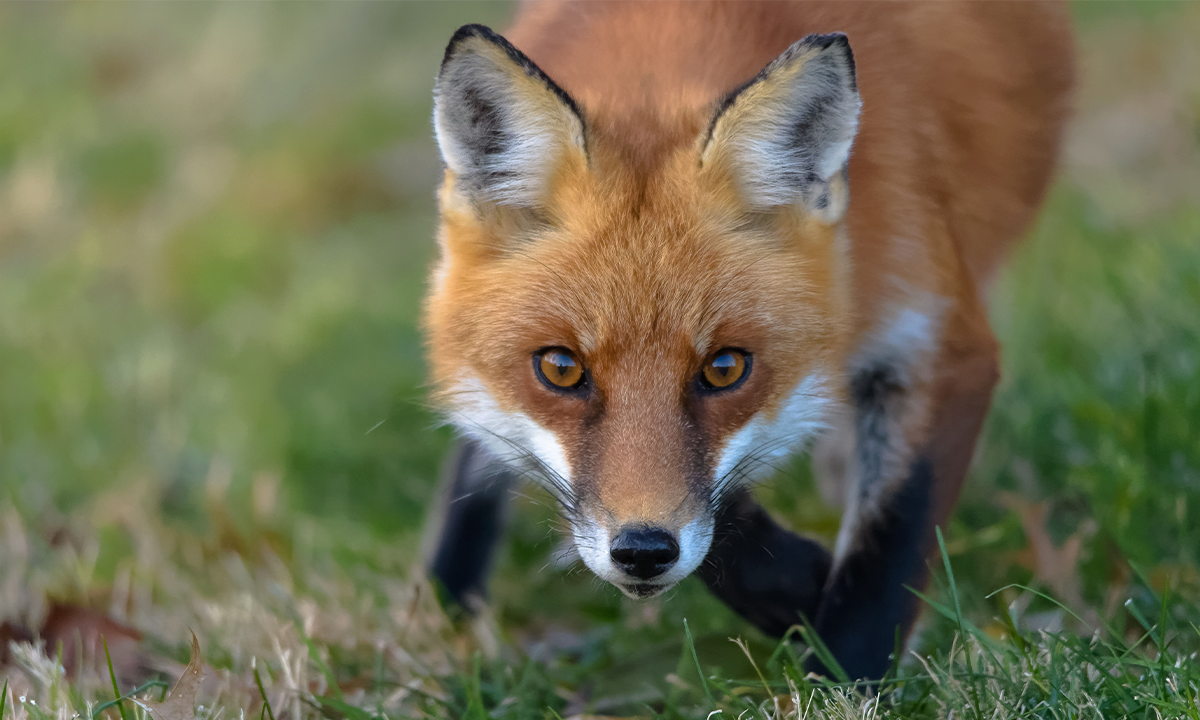
Red Fox Caught on Camera Snatching Wolf Pup from the Den
In 2017, gray wolves recolonized the Castelporziano Presidential Estate, a nature preserve on the outskirts of Rome. There, they hunted roe deer, hares, and wild boars with no interference from humans, save the team of scientists monitoring them….
Continue Reading
-
Electron microscopy maps protein landscapes that drive photosynthesis
Research led by scientists at Washington State University has revealed insights on how plants form a microscopic landscape of proteins crucial to photosynthesis, the basis of Earth’s food and energy chain. The discovery provides a new view of the…
Continue Reading
-

Europe's buzzards are losing their color diversity, citizen science reveals
As its name suggests, the common buzzard is one of Europe’s most familiar birds of prey, often spotted perched on fence posts scanning for mice and worms, or performing spectacular loop dives over fields to attract mates. In French, it goes by an…
Continue Reading
-
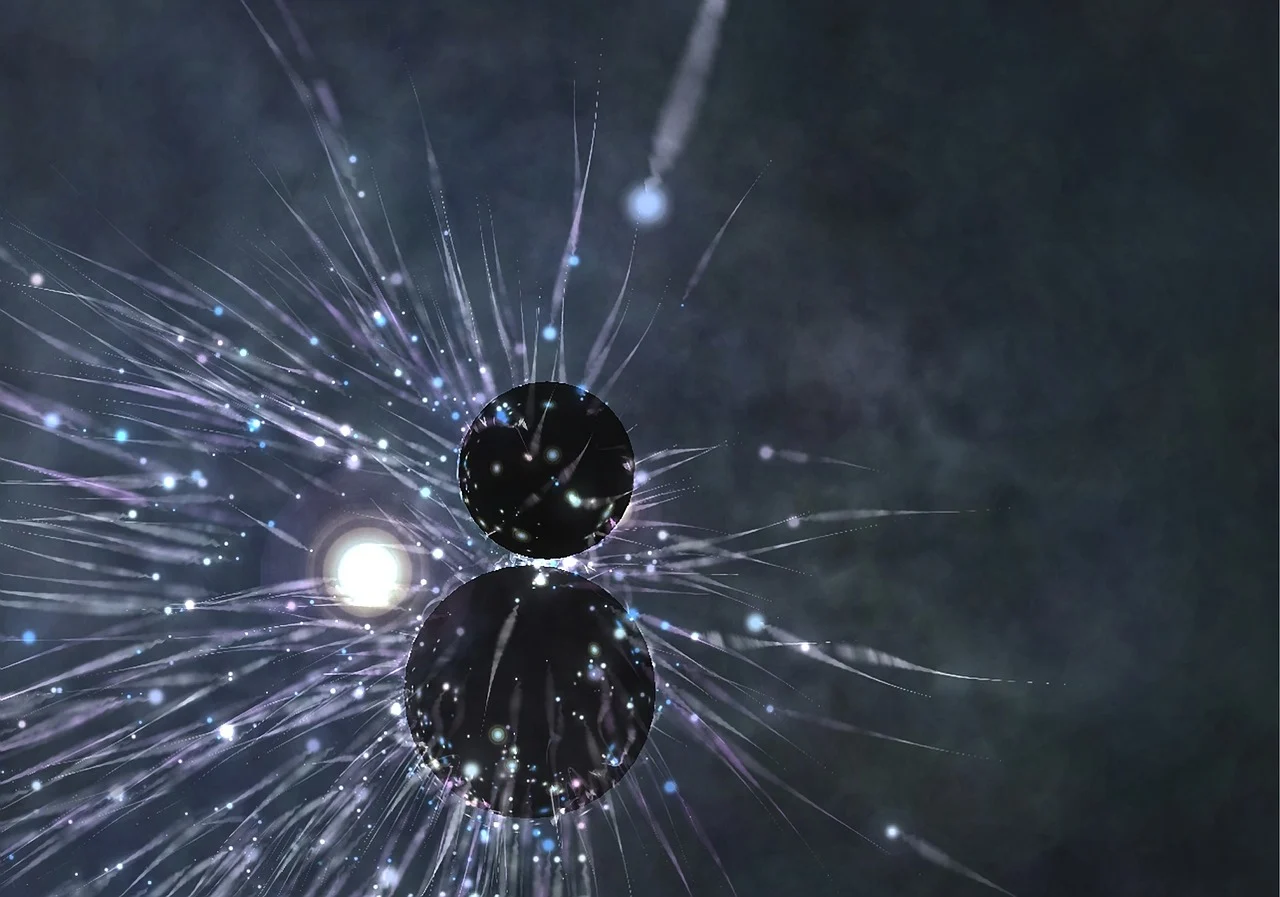
Telomere breaks provide new insights into chaotic chromosome mutations
Researchers at Cardiff University have uncovered how a particularly severe form of DNA damage arises—shedding new light on mutation processes that contribute to cancer and inherited genetic conditions. The study, led by Dr. Greg Ngo and…
Continue Reading
-
One gene makes the difference: Breeding winter-hardy faba beans
An international research team involving the IPK Leibniz Institute has discovered a small yet significant genetic difference in faba beans. Whether a plant survives the winter or can only be grown in spring hinges on a single location in the…
Continue Reading
-

Highly biocompatible corneal implants created from recycled carp scales
Serious diseases affecting the transparent part of the eye, called the cornea, are very difficult to treat because this structure lacks blood vessels and has little capacity for regeneration and repair. Many patients with serious…
Continue Reading
-
AI-enabled quantum refinement cracks the code of difficult-to-map proteins
Using a tool to solve a protein’s structure, for most researchers in the world of structural biology and computational chemistry, is not unlike using the Rosetta Stone to unlock the secrets of ancient Egyptian texts. Once a protein’s structure…
Continue Reading
-
Bacteria have a secret engineering trick to keep themselves in shape
Blow up a long balloon and two things happen: it gets longer and it gets wider. Now imagine a living cell that inflates itself under enormous pressure and yet only grows longer, never adding width. That is exactly what rod-shaped bacteria do,…
Continue Reading